
Ishikawa
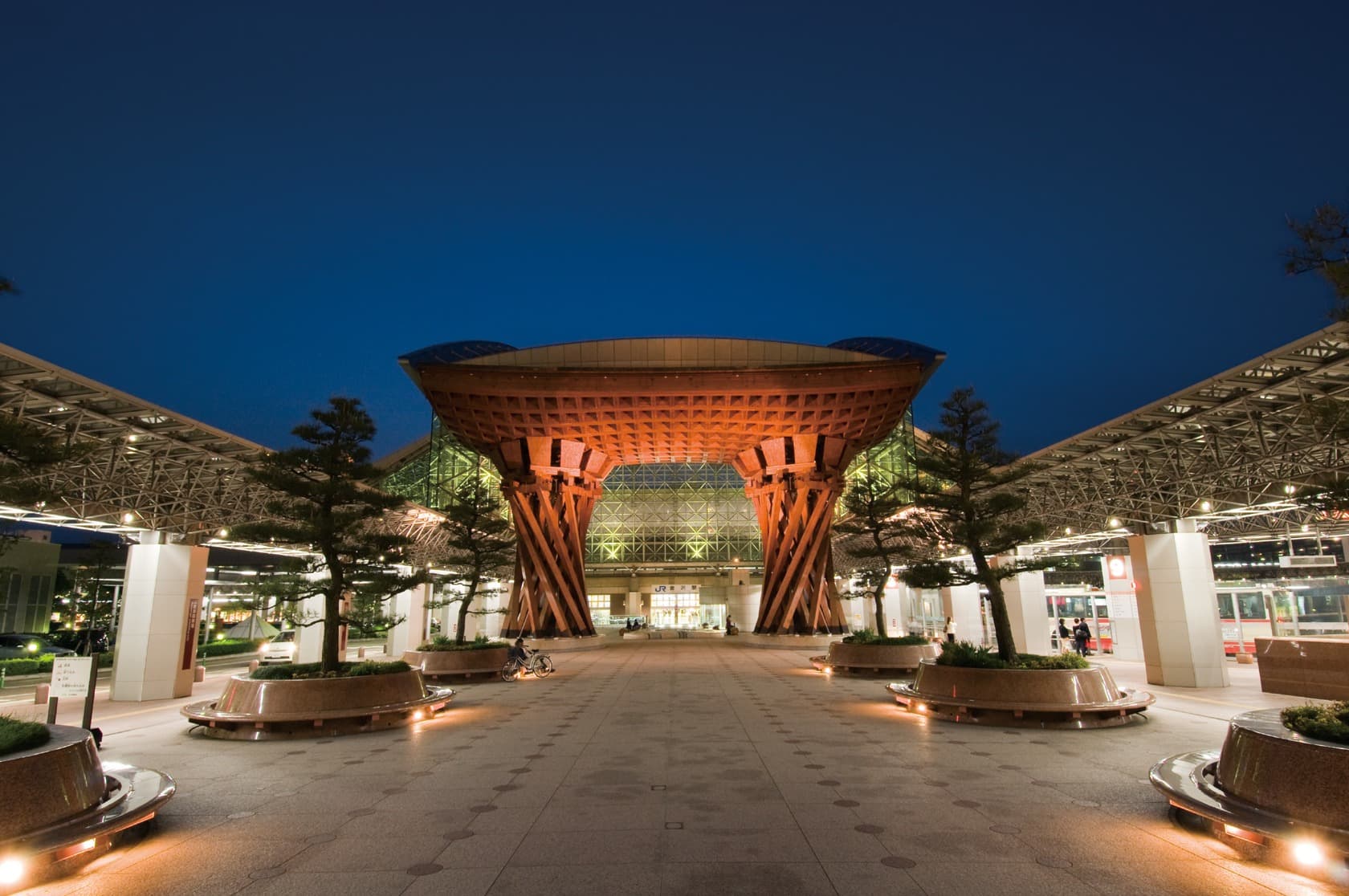
Ishikawa

Where tradition inspires new possibilities — a Hokuriku ecosystem deliberately being built through academic density (JAIST + Kanazawa Uni), manufacturing readiness (Komatsu), and post-earthquake Noto reconstruction.
- Support for founders
Ishikawa is best known for Kenrokuen Garden, Kanazawa's refined tea culture, and century-old crafts like Kutani porcelain and Wajima lacquerware — but beneath the tradition, a new narrative is unfolding. The prefecture ranks among Japan's highest in universities and technical colleges per capita, with JAIST, Kanazawa University, and Ishikawa Prefectural University forming a strong research backbone in biotech, materials, environmental science, and IT. Combined with the manufacturing heritage of Komatsu and dense precision-machining networks, Ishikawa offers a rare pairing of deep-tech research and manufacturing readiness. The Ishikawa Innovation Base (Kanazawa, opened Oct 2024) anchors the ecosystem locally while connecting into Tokyo Innovation Base. Through the Hokuriku Startup Ecosystem Consortium (HOSTEC), Ishikawa works with Toyama and Fukui as a unified regional platform. The 2024 Noto Peninsula earthquake reframed the strategy: the "Noto-Sta" initiative invites outside startups to run field demonstrations in affected areas — turning disaster zones into real-world testbeds and rebuilding through innovation.
Strengths

A center of traditional crafts representing Japan
Ishikawa is one of Japan's leading regions for traditional crafts — lacquerware, gold leaf, and Kutani ware. Techniques passed down over centuries continue to influence modern design, creative industries, and new forms of craftsmanship, giving founders in materials, design, and craft-adjacent tech a uniquely rooted context.
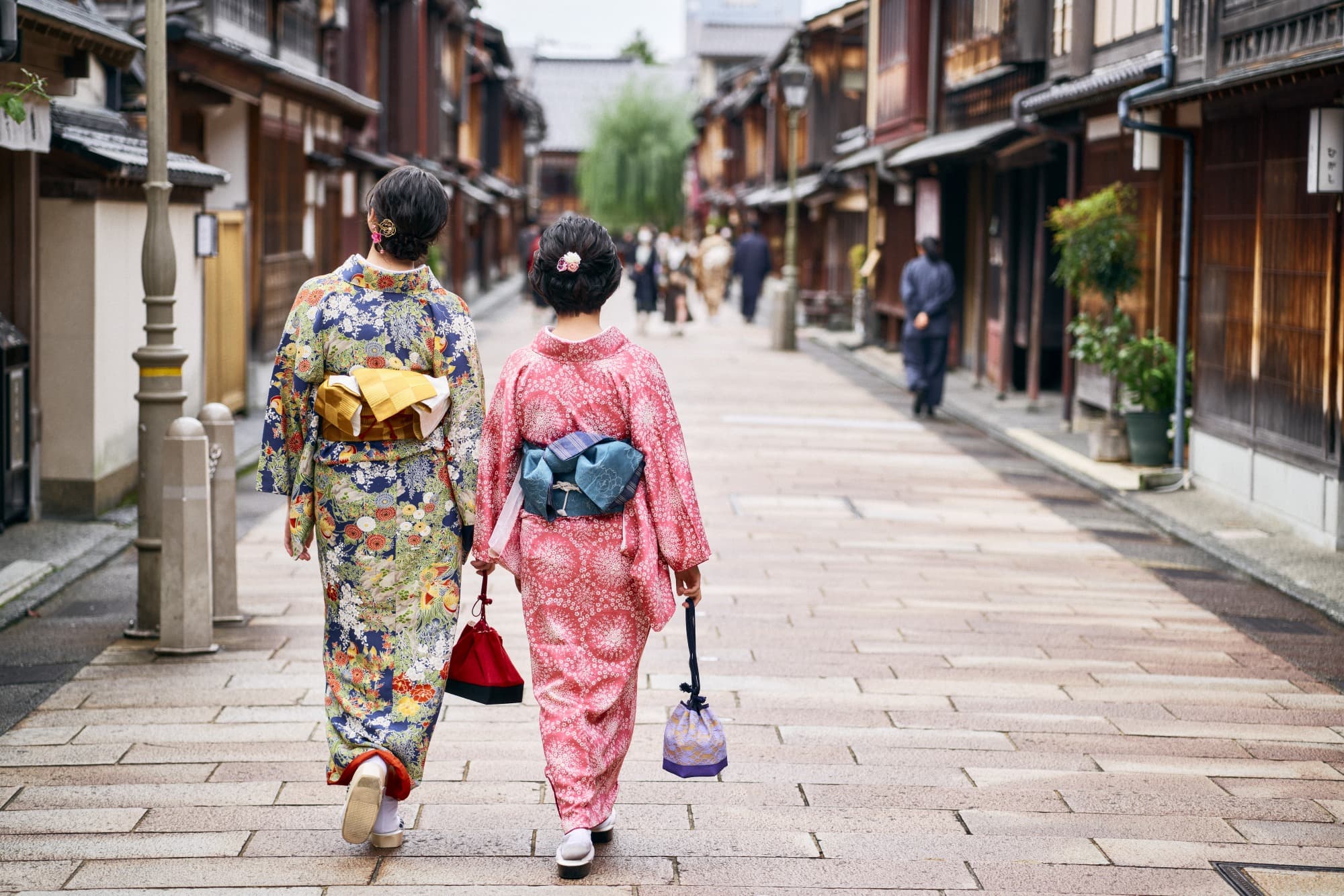
A destination to enjoy culture year-round
Historic townscapes, renowned gardens, hot springs, and fresh seafood from the Sea of Japan — Ishikawa is rich in cultural and natural attractions across all four seasons. That livability draws returnees, remote workers, and international founders looking for a base that doubles as a lifestyle move.
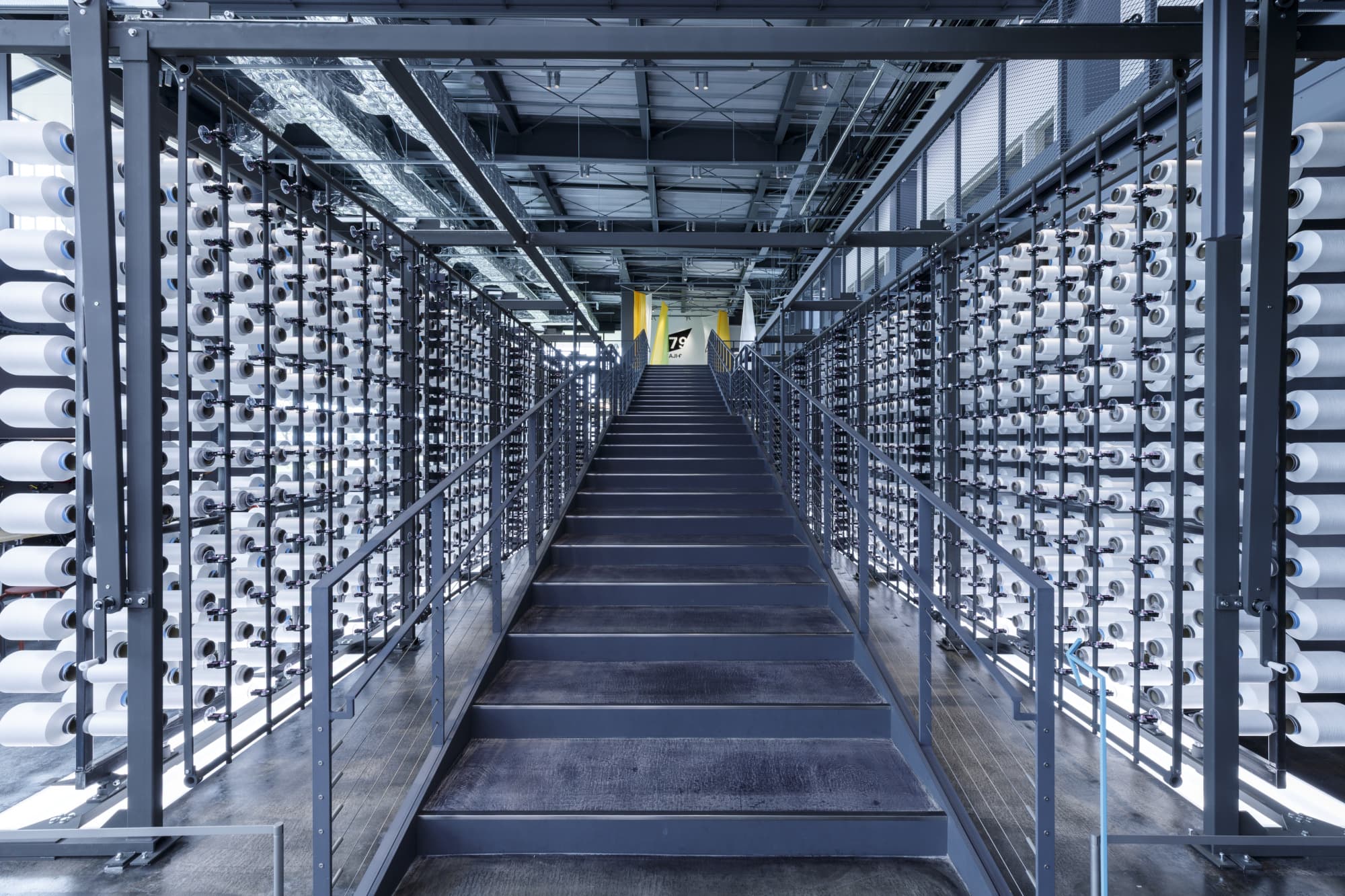
A strong foundation of industry and research
Ishikawa combines a concentration of universities and research institutions (JAIST, Kanazawa Uni, Ishikawa Prefectural University) with dense manufacturing networks — the birthplace of Komatsu, with many firms holding leading shares in niche global markets. That combination supports close collaboration between technology, traditional craftsmanship, and innovation.
Things to see
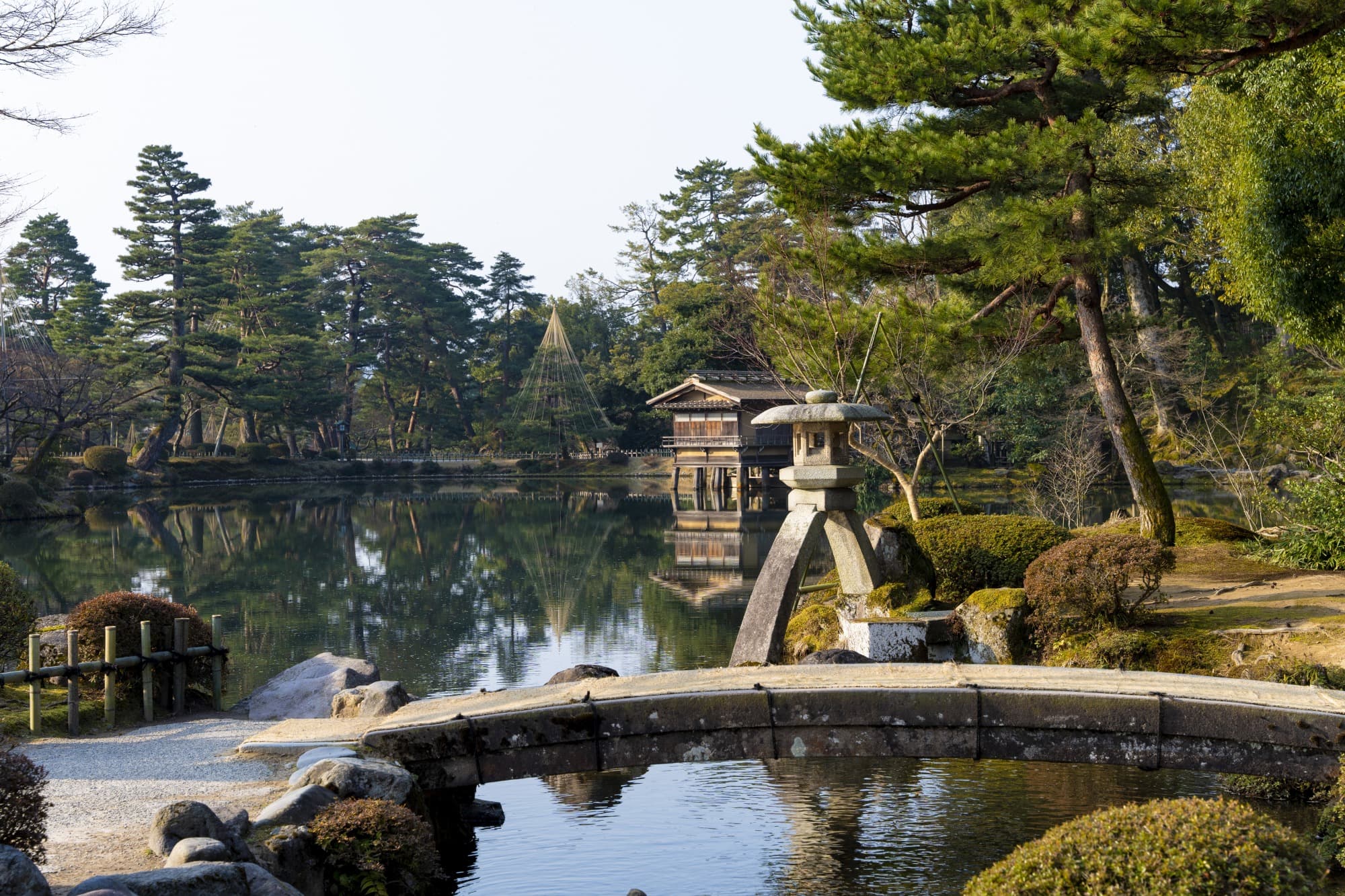
Kenrokuen Garden
One of the Three Great Gardens of Japan, characterized by its ponds, seasonal flowers, and carefully composed landscapes. Kenrokuen shifts its appearance with each season, offering a serene place to experience Japan's traditional aesthetic sensibilities.
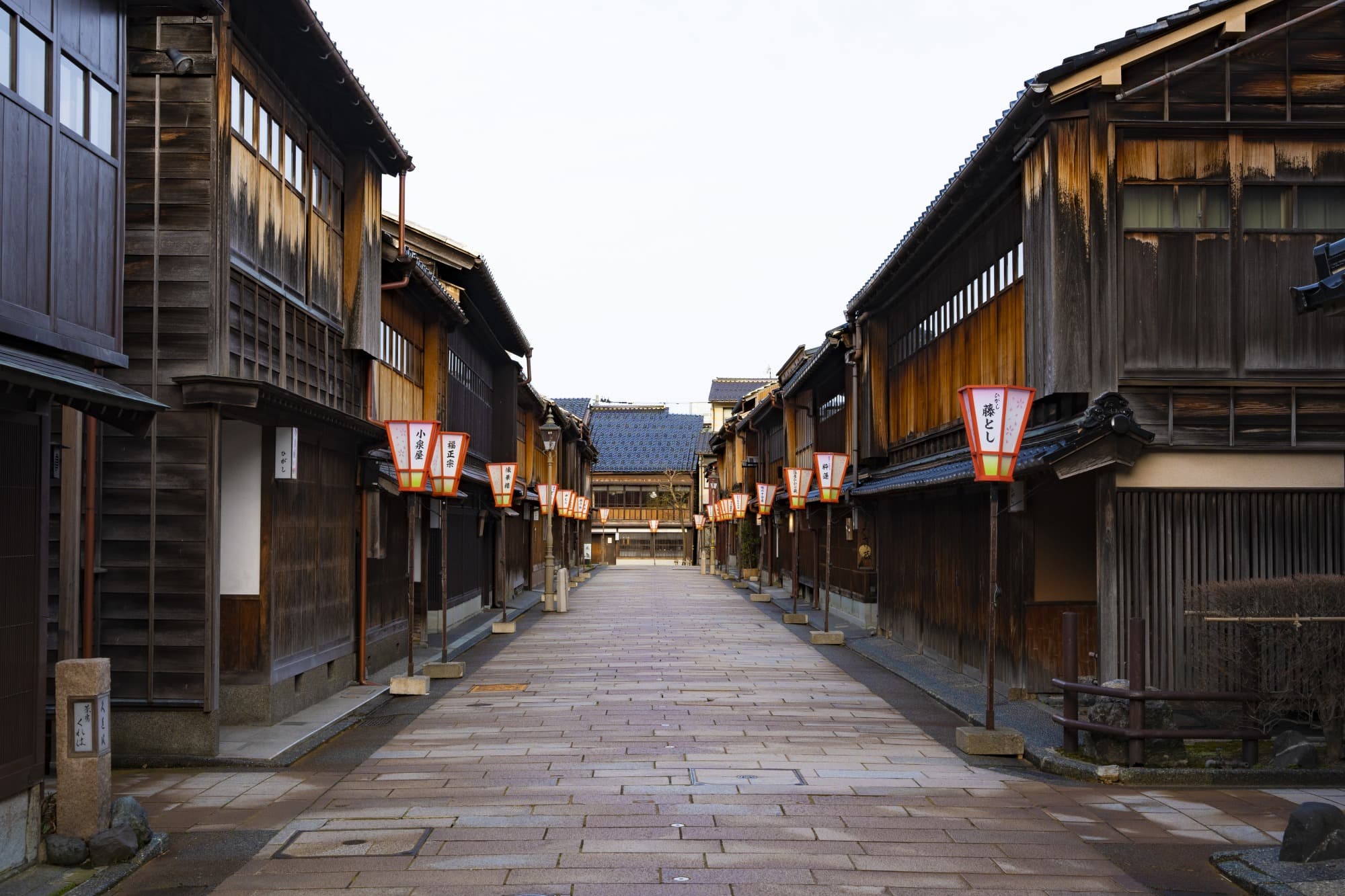
Higashi Chaya District
A historic geisha district where geiko culture once flourished, known for its exceptionally well-preserved streetscape. Rows of traditional wooden teahouse buildings convey the atmosphere of old Japan and offer a glimpse into its elegant past.
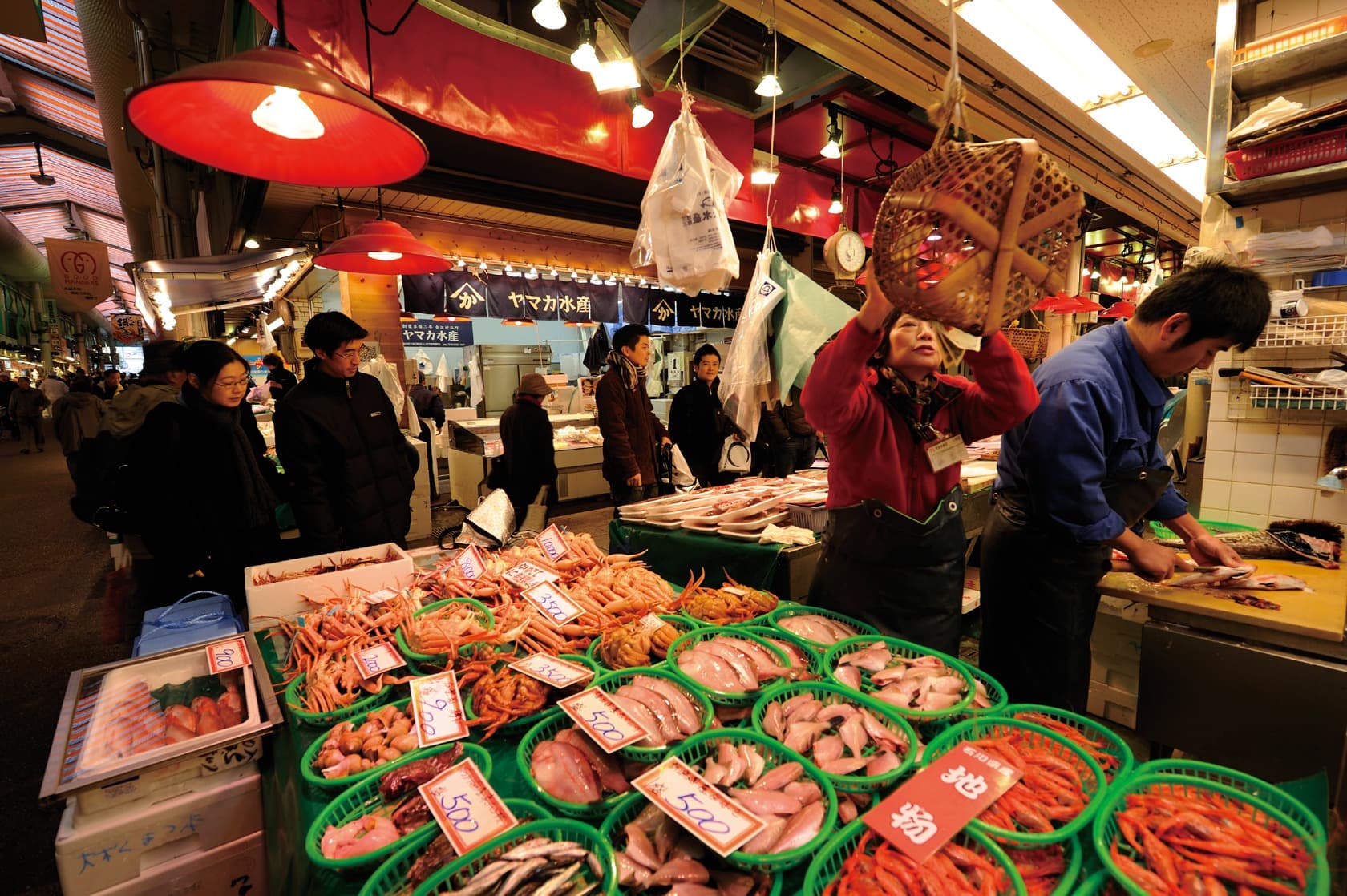
Ōmichō Market
Known as "Kanazawa's kitchen," Ōmichō Market has supported the city's food culture for centuries. Lined with fresh seafood and local specialties, the lively market atmosphere offers a vivid taste of Kanazawa's culinary traditions.
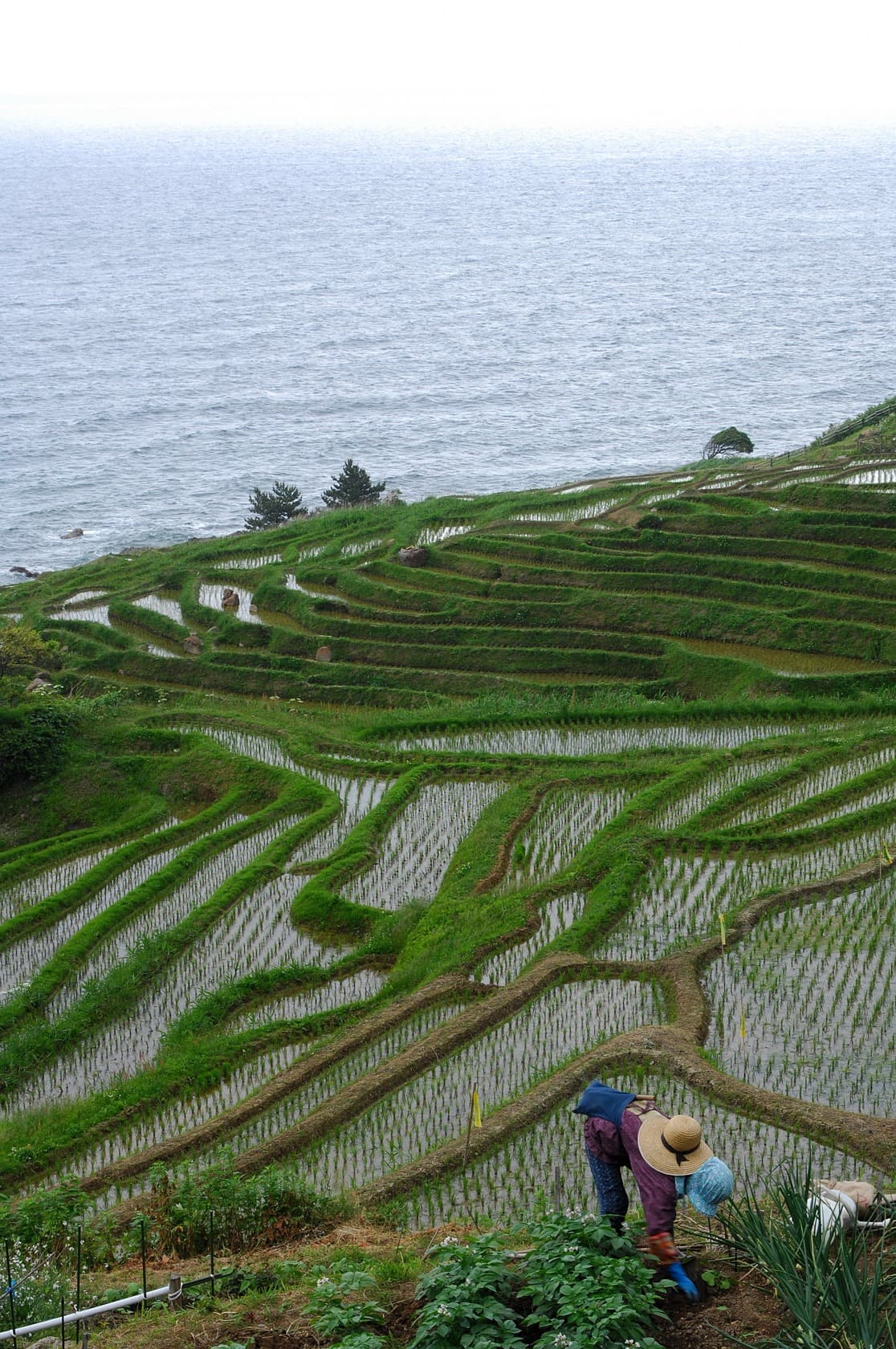
Noto Peninsula
Extending into the Sea of Japan, the Noto Peninsula is known for its dramatic coastline and traditional landscapes. One of its most iconic sights is the Senmaida rice terraces — countless small terraced fields stretching toward the sea in a stunning and picturesque view.