
Niigata
Niigata

An industry-first ecosystem — eight distributed private hubs with prefectural design overlay, plus J-Startup NIIGATA turning industrial depth (rice, Tsubame-Sanjō metalwork, energy) into globally connected startups.
- Support for founders
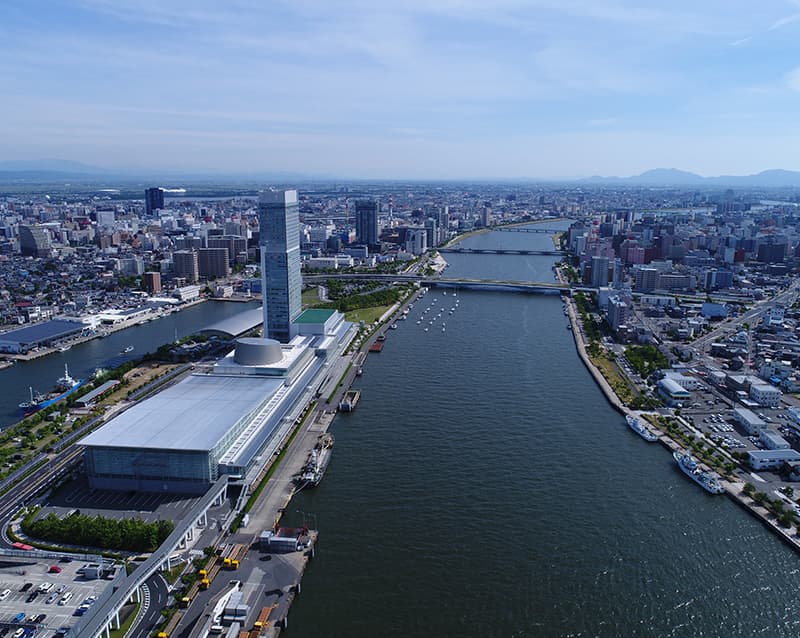
Niigata rejects the single-mega-hub model. Its startup ecosystem is a distributed network of eight privately driven hubs across the prefecture, each rooted in local industry, with the prefectural government acting as architect — designing the overall structure rather than replacing local initiative. At the center is NINNO in Niigata City, a co-creation hub launched by private companies and later positioned strategically by the prefecture. Growth is operationalized through J-Startup NIIGATA (36 companies to date across advanced materials, AI, XR, manufacturing, digital) — Fuller, Inc. reached the Tokyo Stock Exchange Growth Market in 2025 while staying based in Niigata. Together with Nagano, Niigata is designated a NEXT Global Hub, forming the REGIONAL NEXUS HUB — a wide-area ecosystem connecting regional specializations (medical, food tech, environment/energy, next-gen mobility/manufacturing) to overseas markets.
Strengths

An industrial base where agriculture, food, and manufacturing coexist
Niigata is one of Japan's leading rice-producing regions and hosts a dense manufacturing sector — Tsubame-Sanjō precision metalwork is internationally recognized, with strengths in machinery and food processing alongside. That coexistence opens founder pathways in food, AgriTech, hardware, and machinery — with real production sites, not just labs, in walking distance.
A strategic hub on the Sea of Japan with strong Tokyo access
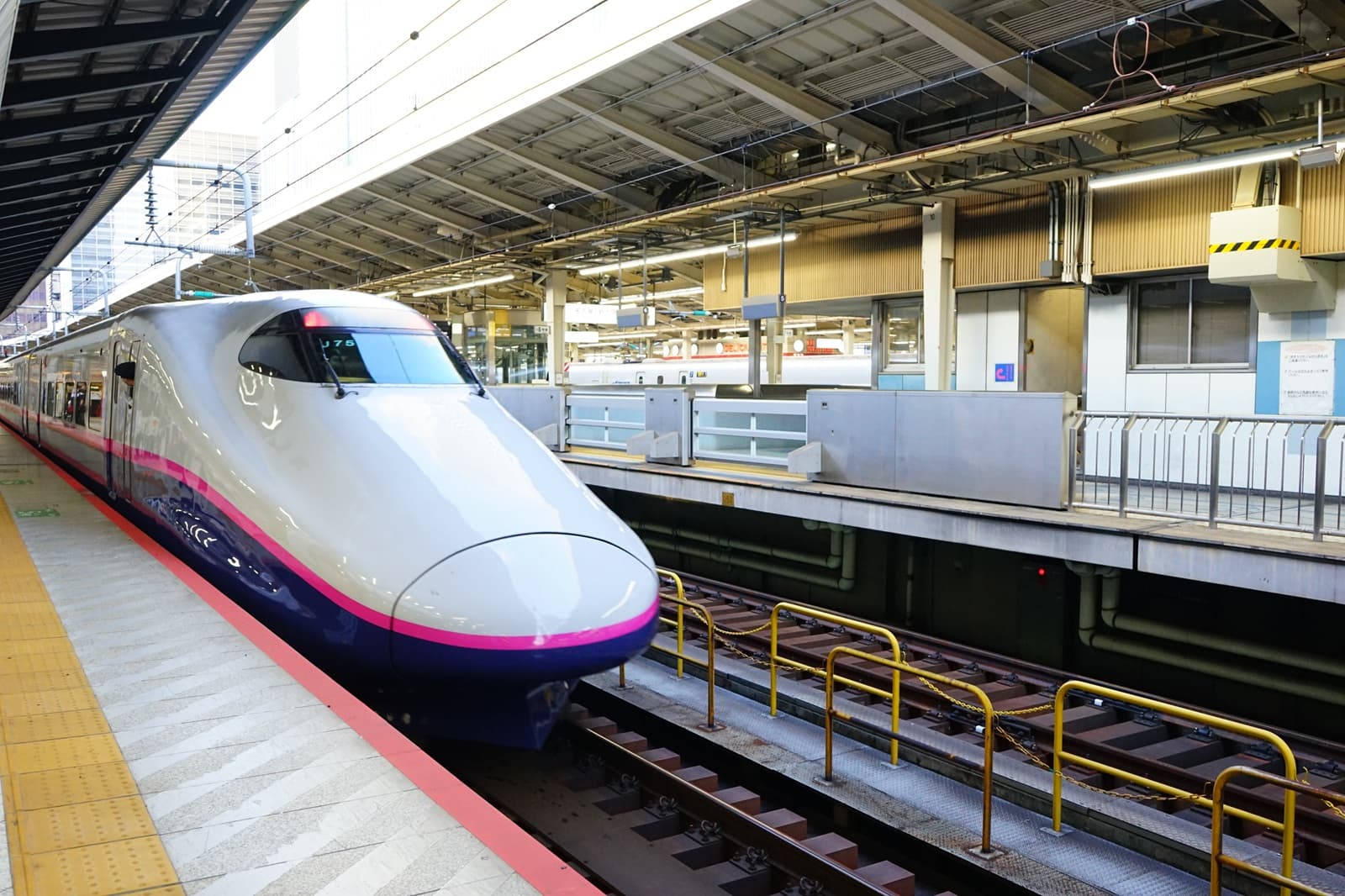
About two hours from Tokyo via Shinkansen, Niigata is a Sea of Japan hub city with both Niigata Port and Niigata Airport. It keeps metropolitan connectivity while offering short distances between government, companies, and support organizations — collaboration and real-world testing happen fast.
A living lab shaped by plains and nature
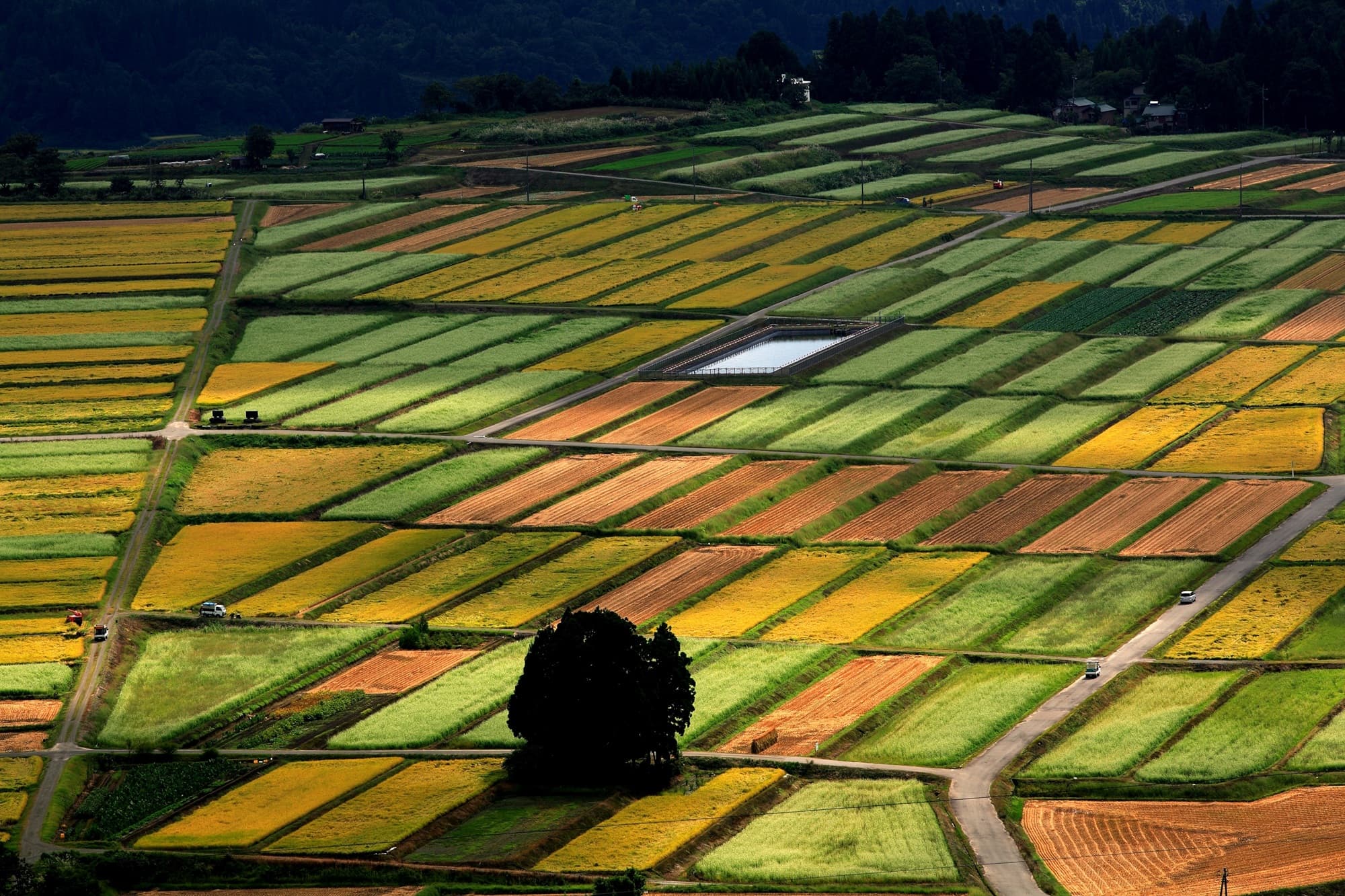
Centered on the vast Echigo Plain with the Sea of Japan, mountain ranges, and heavy-snow regions, Niigata offers extensive farmland and diverse natural environments. Urban functions and nature coexist in balance — good conditions for long-running experiments and for founders who want a place to actually live while building.
Things to see
Terraced Rice Fields
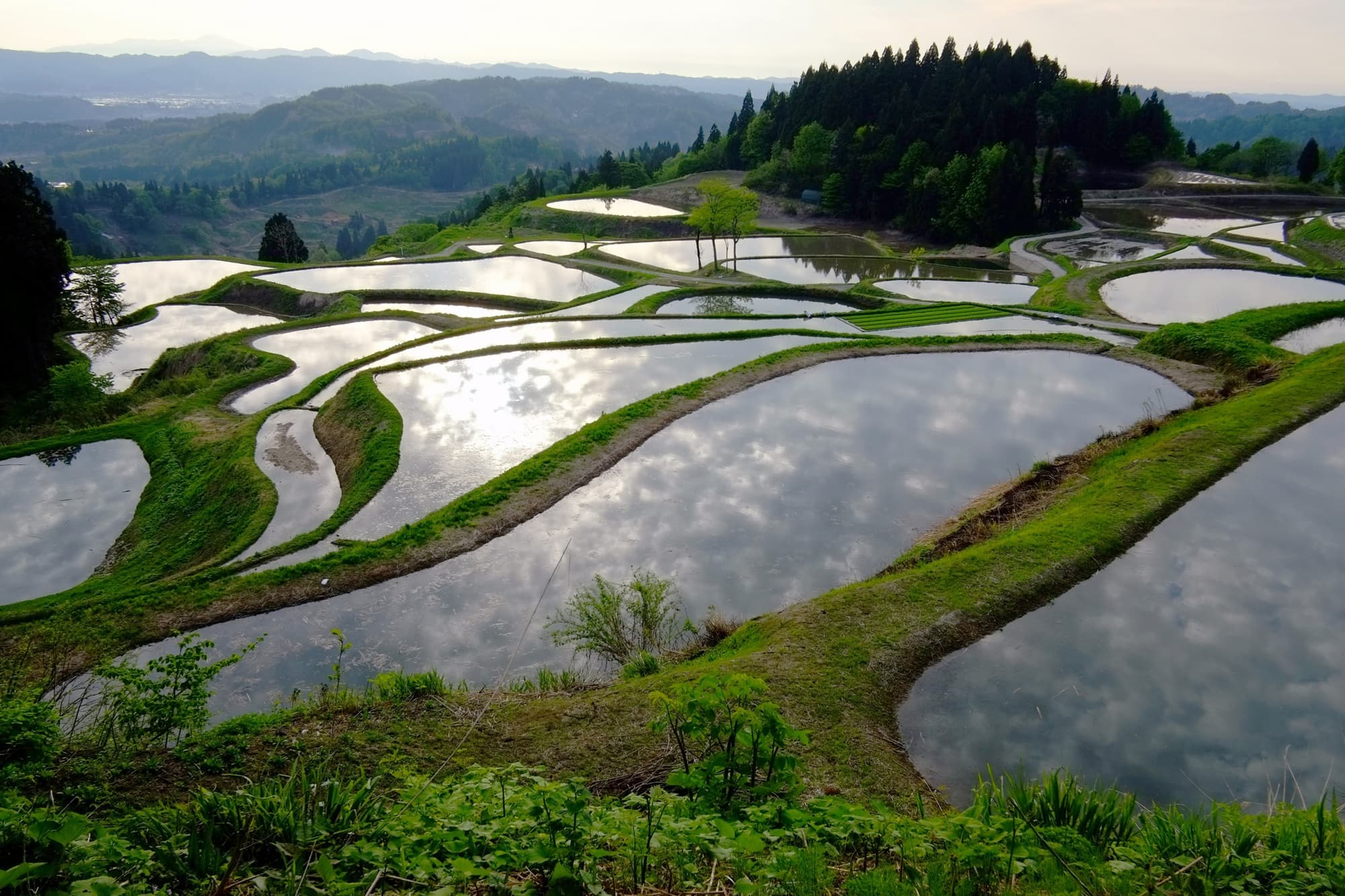
A representative rural landscape of Niigata, where rice paddies spread across hillside slopes. The area is known for its early-morning sea of clouds. During the spring planting season, the flooded fields become mirror-like reflections — a striking visual scene.
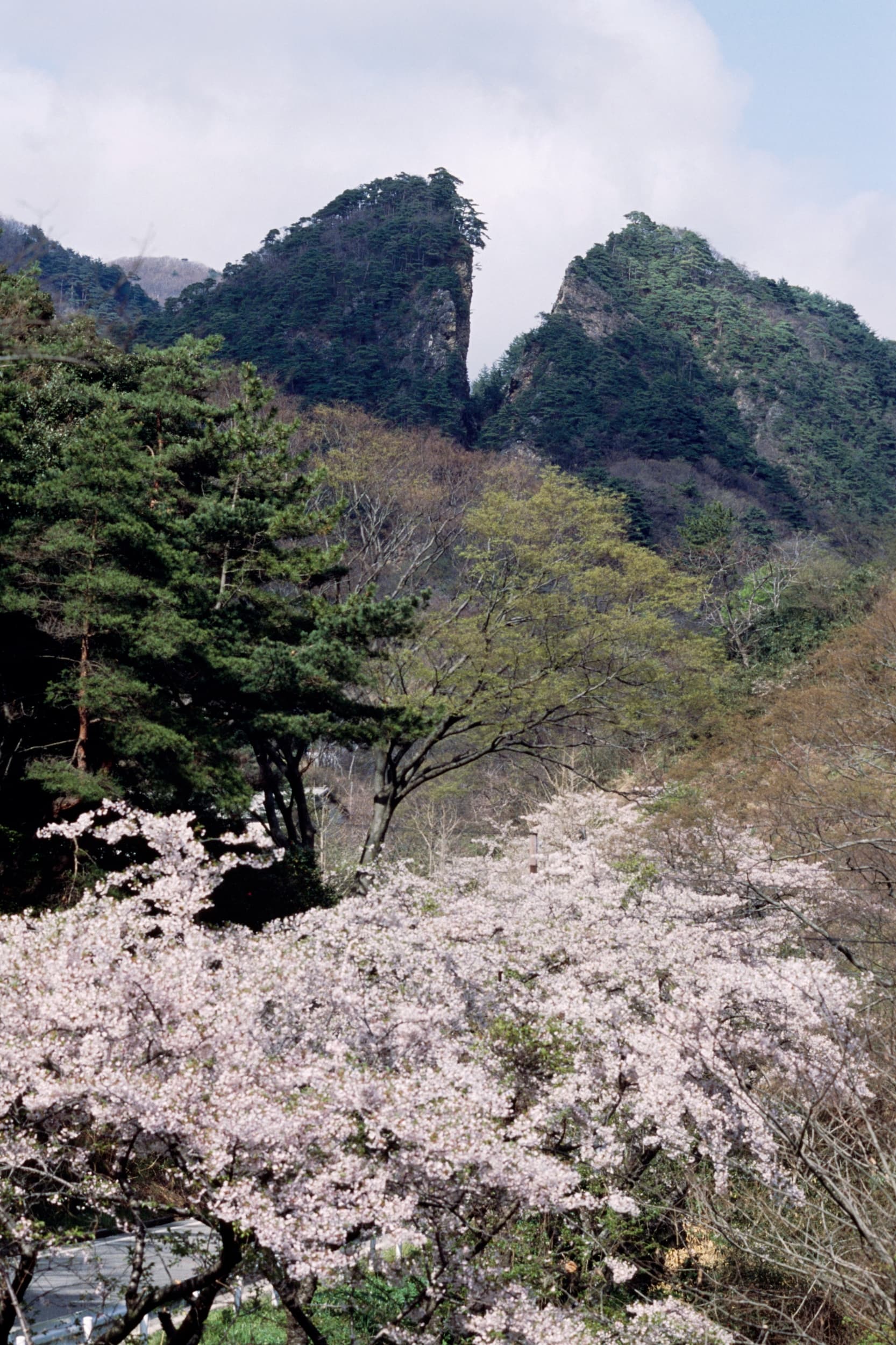
Sado Island
An island in the Sea of Japan known for its rich history and natural beauty. Visitors can enjoy a variety of experiences and landscapes — historic gold mines (a recent UNESCO World Heritage inscription), the Toki Forest Park, and traditional tub boat rides.
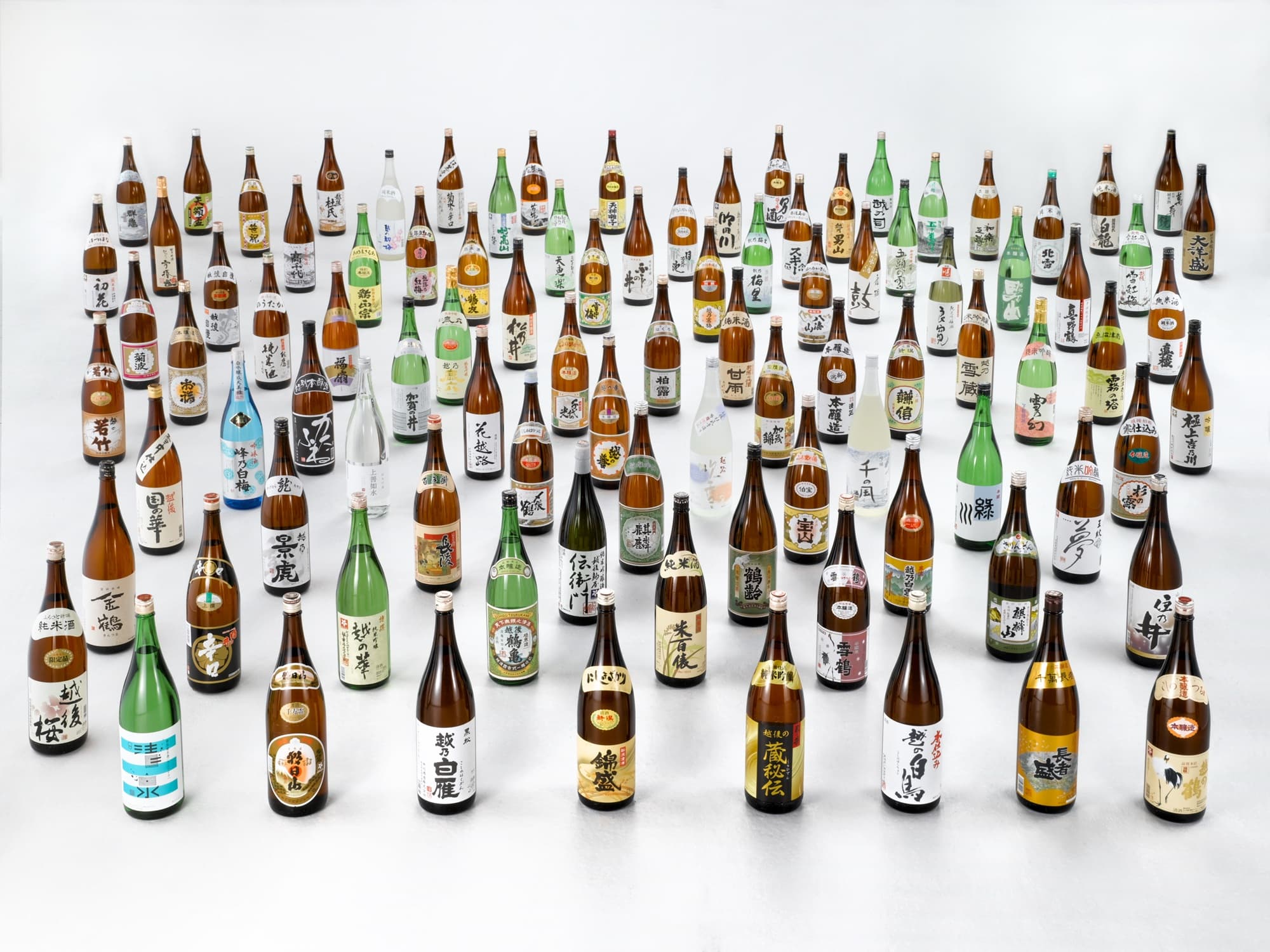
Japanese sake
Niigata is one of Japan's leading sake-producing regions, with the largest number of breweries of any prefecture. Its cold, snowy climate and abundant water resources create ideal conditions for sake production — the region is particularly famous for its clean, dry "tanrei karakuchi" style.
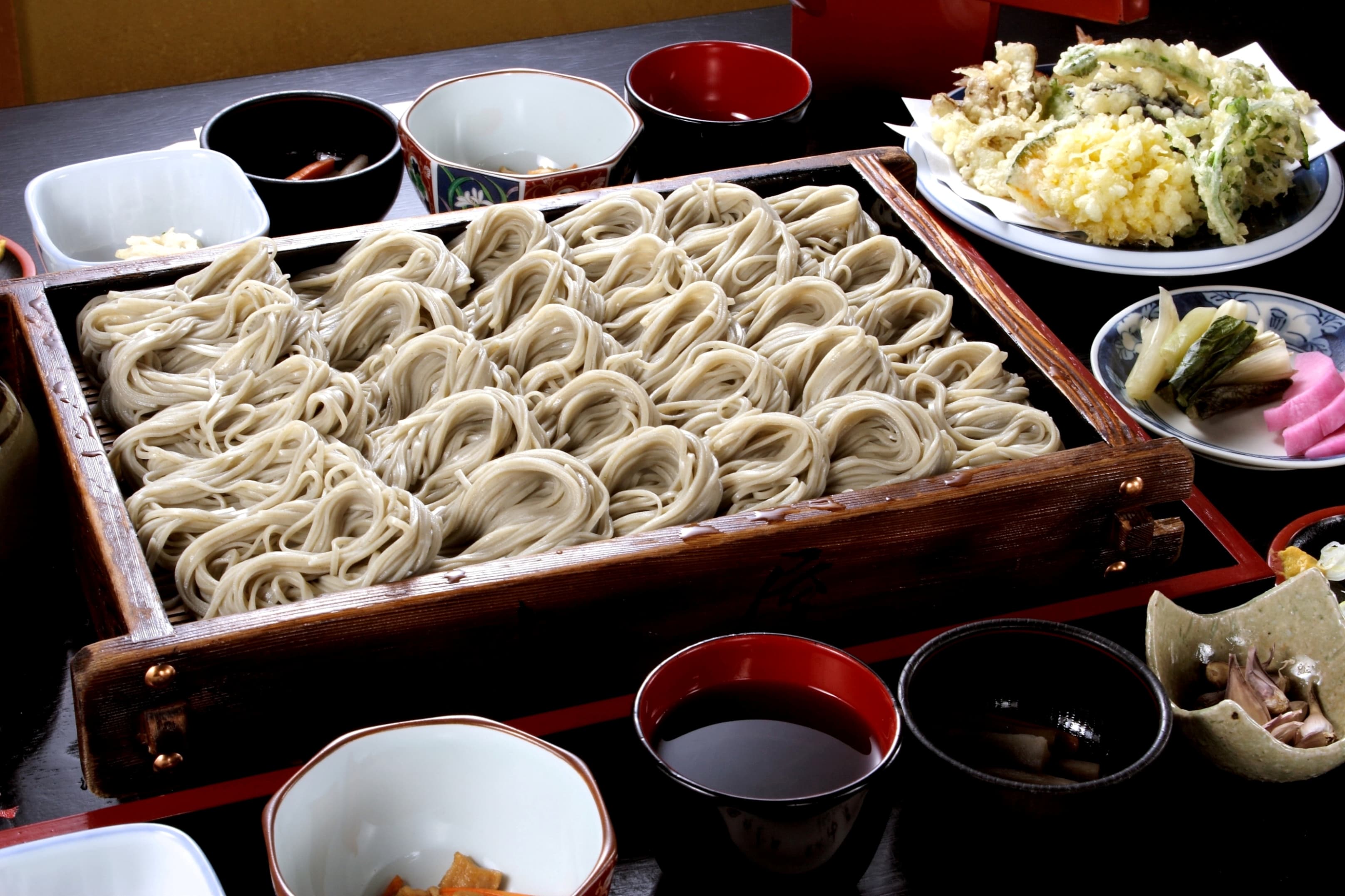
Food culture
Niigata's food culture is supported by abundant water resources, the vast Echigo Plain, and the Sea of Japan. Centered around rice, the region has developed a rich culinary tradition — from sake brewing to a wide variety of fermented foods.