
iCONM: Where the Future Biotech Takes Shape

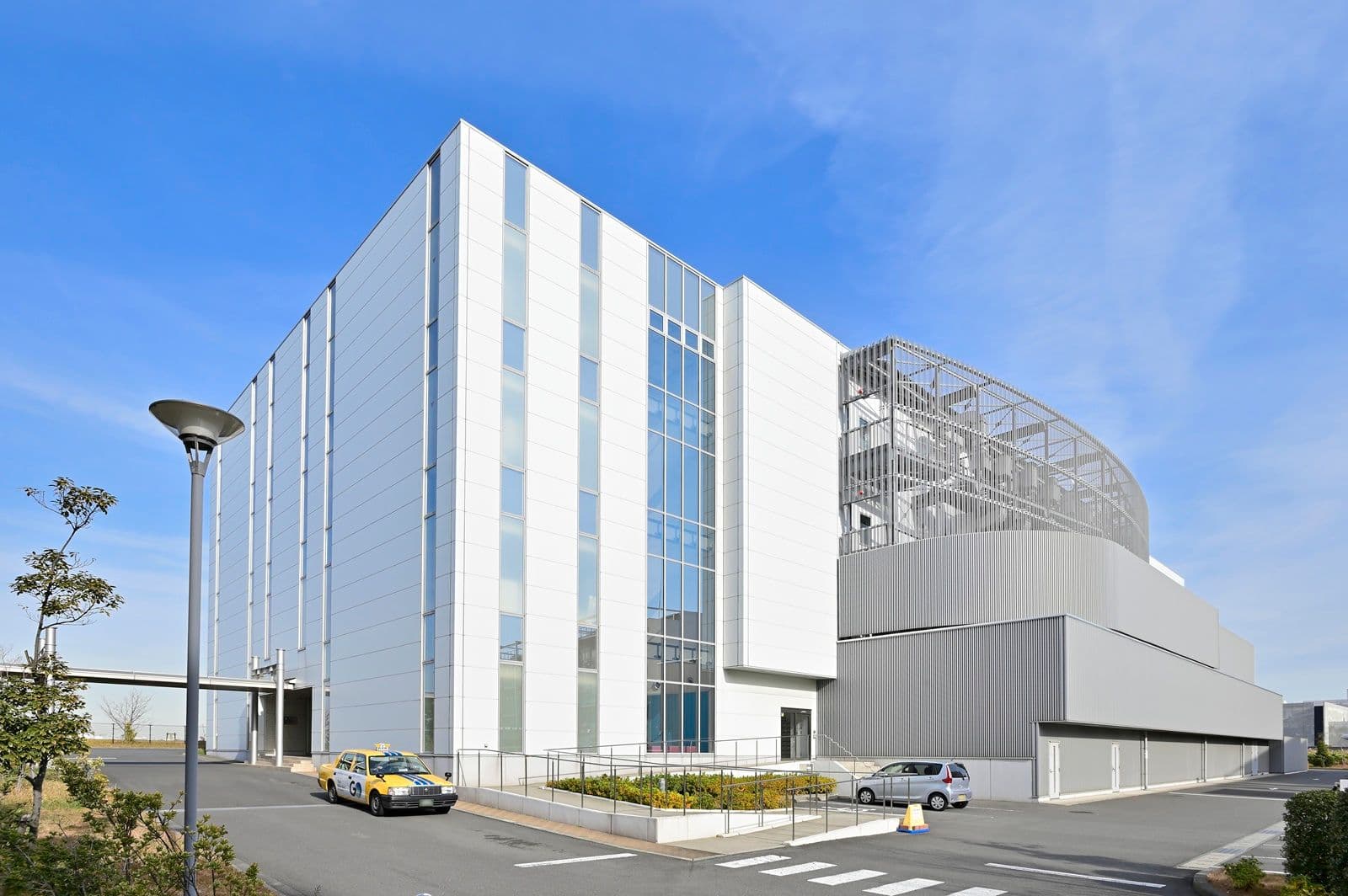
A Global Research Hub, Steps from Haneda
Just next to Tokyo’s Haneda Airport, in Kawasaki’s KING SKYFRONT district, sits a research center that is reshaping the future of drug discovery and nanomedicine in Japan. The Innovation Center of NanoMedicine (iCONM) brings together academia, enterprises, and startups in a co-creative environment, a model that is still distinctive even globally.
Established with the support of Japan’s Ministry of Education, Culture, Sports, Science and Technology and the City of Kawasaki, it was designed to make collaboration across disciplines part of everyday practice. The vision based on the core research of iCONM is the "in-body hospital”. In the future, virus-sized nanomachines will move through the body and diagnose and treat diseases autonomously. The goal is an ultimate healthcare system that keeps people healthy without caring disease, integrated seamlessly into everyday life.
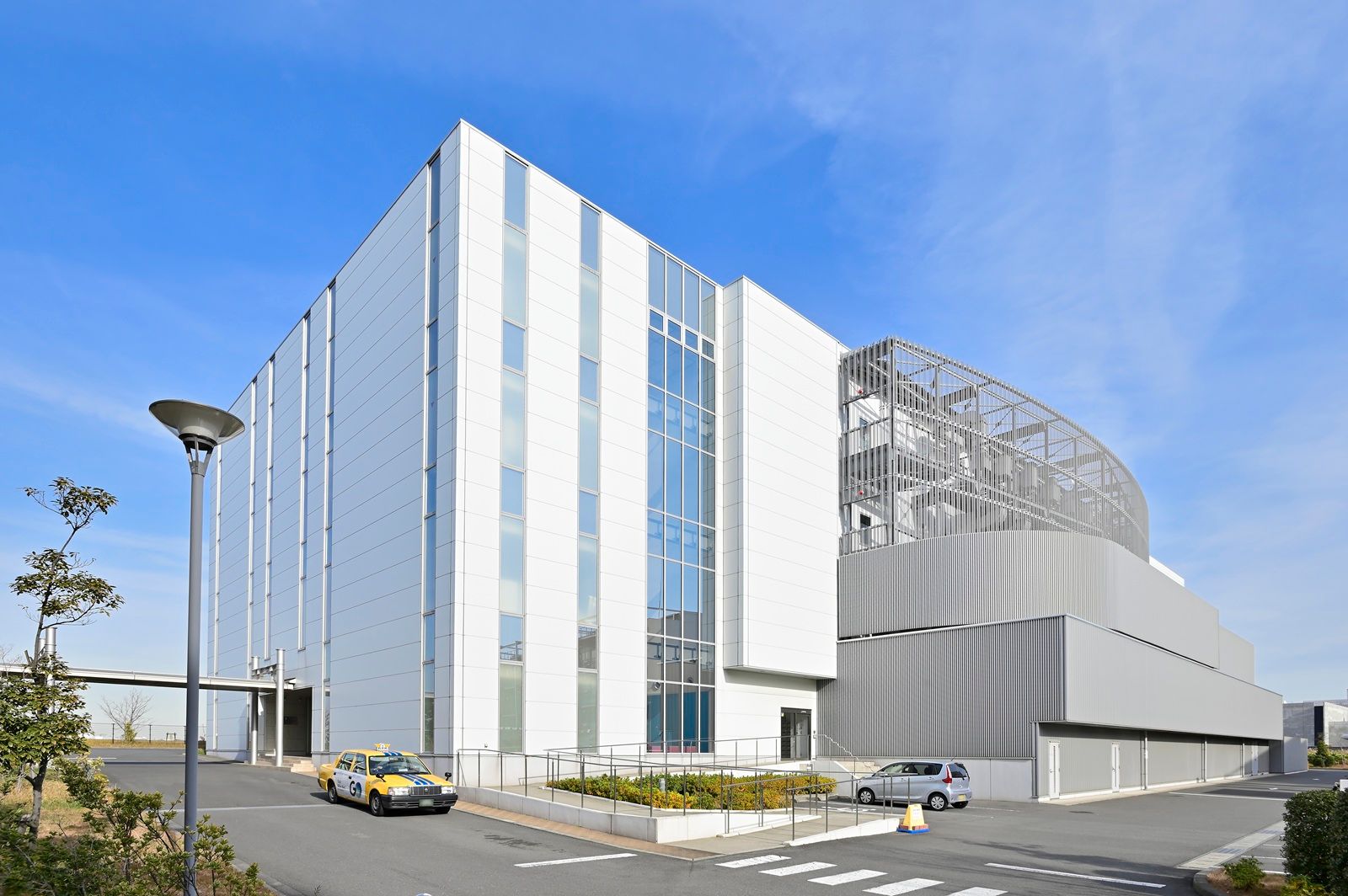
Under One Roof
What sets iCONM apart is not only its scientific focus but how it operates. Researchers from universities, enterprises, and startups work under one roof, sharing the same environment on a daily basis. This proximity allows ideas to move fluidly from basic research to application, and onward toward social implementation. Collaboration here is not driven by formal structures alone. It emerges naturally through everyday interaction, supported by an infrastructure designed for “more collision and less friction”. Laboratories, shared instruments, and a startup incubator are fully integrated, allowing researchers to focus on their work rather than building the environment around it. As the results, iCONM’s environment itself is an ecosystem that realizes both fast and high-quality research and business development.
The Strategic Advantage of KING SKYFRONT
KING SKYFRONT has developed into one of Japan’s leading life sciences clusters. Its location next to Haneda Airport places it within easy reach of both domestic and international partners, creating an environment where cross-border collaboration can appear naturally. That accessibility shapes the character of iCONM. Researchers from around the world are part of its daily environment, making global collaboration not an aspiration, but a constant. For startups in Japan, it offers a pathway outward. For international companies, it provides a point of entry into the Japanese market.
Research from Day 1
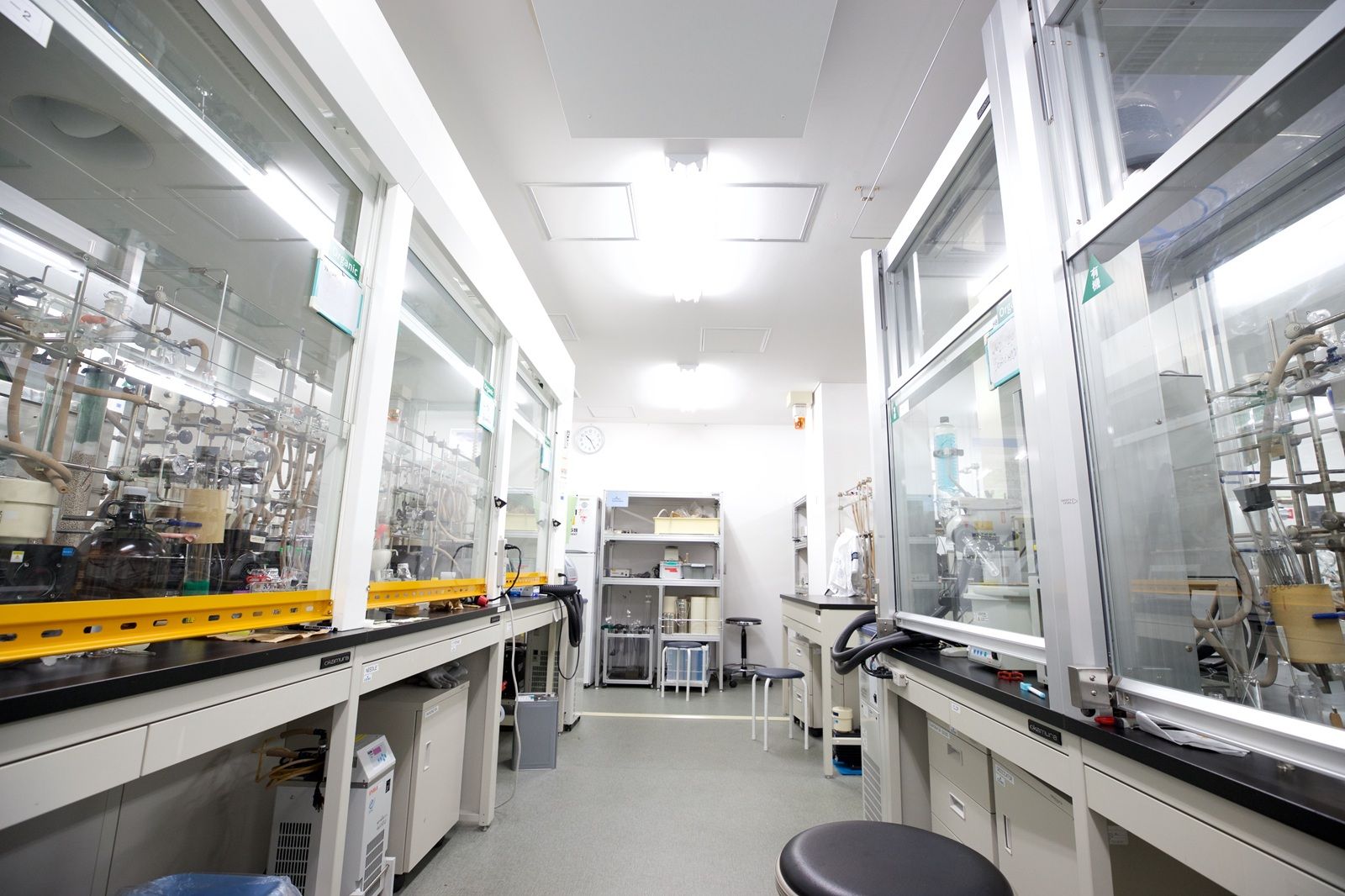
Instead of Apple or Google, biotech startups need to build lab space including analytical instruments. However, building a research environment often takes time - sometimes a year, and costs more than half of million dollars. With facilities spanning cell culture, disease models, chemical synthesis, and microfabrication, along with hundreds of shared instruments, startups can begin research as soon as they arrive, even if their hands are empty. By reducing the time and cost required to build infrastructure, iCONM allows startups to focus on advancing their work from the outset.
The Reach of NanoMedicine
The core of iCONM’s work is nanomedicine and drug delivery. These technologies are not confined to a single therapeutic approach. It works as enabling platforms, applicable across conventional therapies as well as cutting-edge technology, such as gene and cell therapy. Where a therapy goes, and how precisely it reaches its target organ in the body, can determine both its efficacy and safety. By refining control over this process, nanomedicine is expanding the boundaries of what medicine can achieve. Spanning multiple disease areas and therapeutic approaches, it appears to be a fundamental technology that always supports medical care.
Moving Toward the Clinical Stage
At iCONM, the research is steadily moving toward real-world applications. One of the startups at iCONM is developing therapies based on ferroptosis, a form of regulated cell death with oxidative stress to cells, and has advanced into clinical trials targeting cancer and neurodegenerative diseases. Moving from basic research to clinical testing remains the most challenging steps in the therapeutic area. iCONM is emerging as a place where that translation can take shape.
Open to the World
iCONM expands beyond Japan. It actively welcomes global startups. Support goes beyond access to laboratory space, including assistance with visas, English-language operations, and legal and contractual matters, areas that often present challenges for companies entering the Japanese market. Companies can engage in multiple ways, either by joining as a resident or through collaborative research, creating flexible pathways into the ecosystem. This makes iCONM a compelling option for biotech startups seeking to enter Japan.
An Ecosystem Built on Proximity
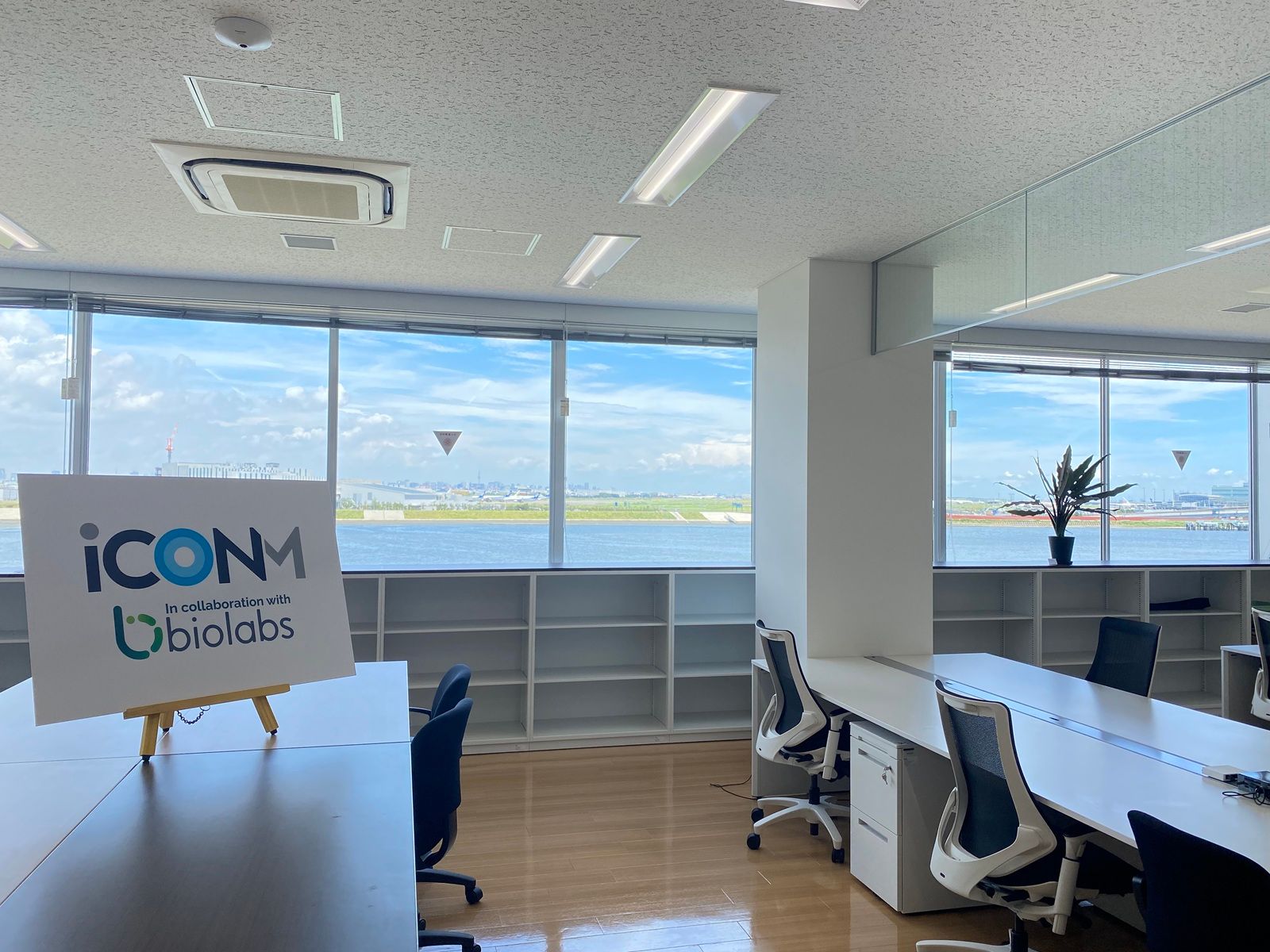
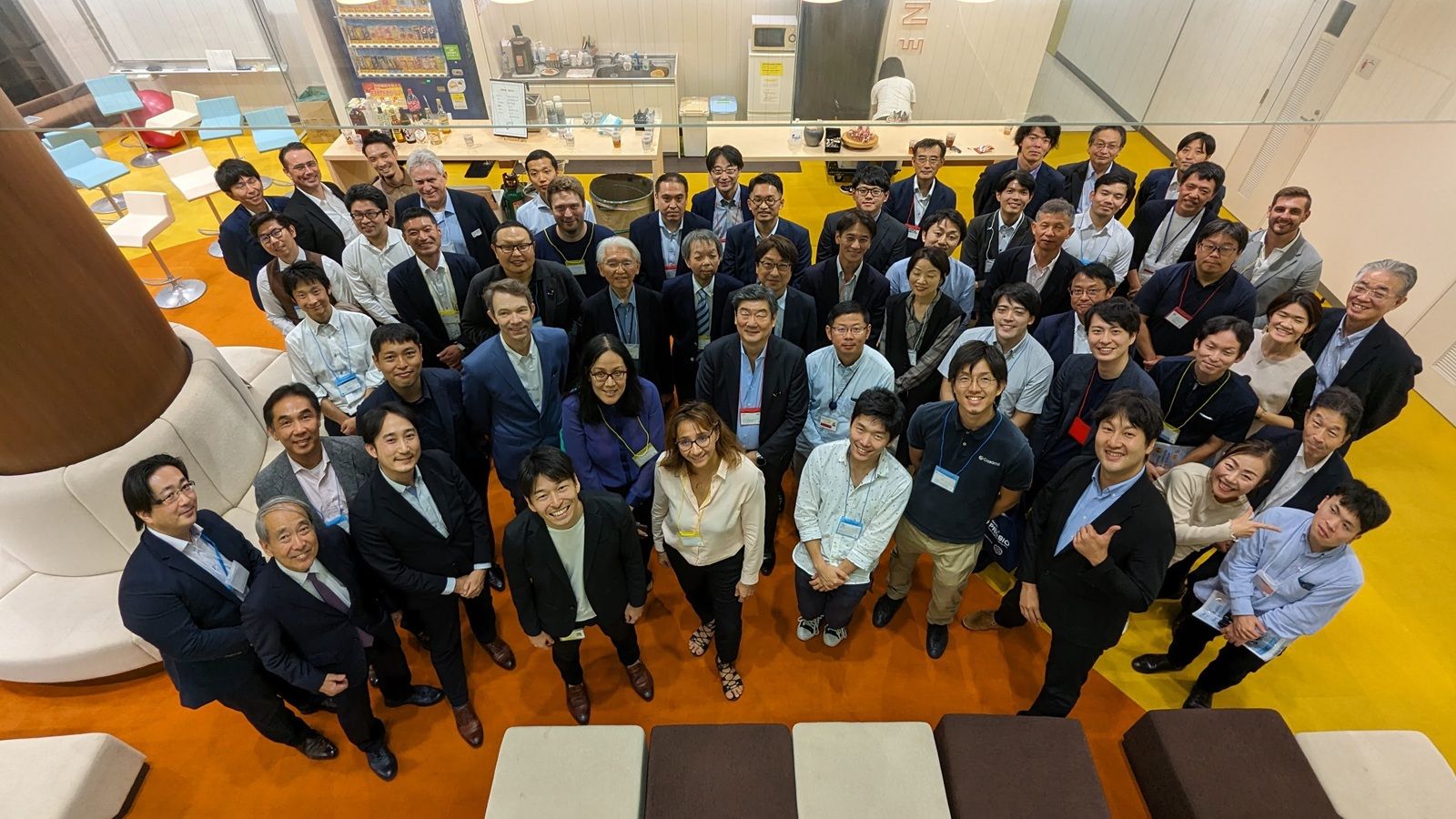
At its core, iCONM is not simply a research facility, but a place defined by the connections it fosters between people. Researchers and entrepreneurs from diverse backgrounds interact on a daily basis, allowing ideas to intersect and develop. The environment encourages natural connections, where proximity leads to conversation and conversation leads to collaboration. As these everyday exchanges build over time, they generate innovation and accelerate translational research into real-world applications.
###Growing with a Global Outlook The startups in iCONM have raised funding ranging from hundreds of millions to billions of yen, and many have built their businesses with global markets in mind from an early stage. Operating from Japan while setting up a company in the United States or launching a clinical trial overseas, is paramount in their growth strategies. iCONM is taking shape as a crossroads in life sciences, where research developed in Japan begins to extend beyond it. More than a research center, it is a starting point where research moves toward application and innovation unfolds on a global scale.
Guest Authors: Hiroshi Atsumi, Director, & Miho Kiyokawa, Operations Associate iCONM in collaboration with BioLabs Kawasaki Institute of Industrial Promotion