
Showing 49–72 of 218
Stories
 Insight
Japan’s blue economy part 1: Shipbuilding
For Japan, as an island nation, maritime business constitutes an extremely vital industry. The Blue Economy series (Part 1 - Part 4) covers shipbuilding, aquaculture, wild fisheries and marine pollution, and future potential. By weaving together historical context with recent industry developments and trends, the series is structured to enable readers less familiar with this field to grasp the overall picture of Japan's maritime business.
·Tatsuya Yajima#DX.#Energy.#Innovation.#Trade Insight
TIB CATAPULT and Tokyo’s Railway Innovation Cluster
TIB CATAPULT is an initiative that brings all of Tokyo's railway systems together to co-create with startups, corporations, and municipalities to foster innovation. Multiple clusters span fields such as railways, healthcare, and tourism.
·Taiki Iwasaki#healthcare.#Innovation.#Mobility.#Tourism Insight
Climate change, energy, and Japan’s GX & fusion startups, part 2: the modern era
This series explores Japan's modern energy history while introducing Japanese GX companies and nuclear fusion start-ups. Here in part 2, we outline the energy transitions Japan has undertaken from the post-war period to the present day, bridging the discussion to subsequent sections covering GX initiatives and nuclear fusion start-ups.
·Tatsuya Yajima#cleantech.#climatechange.#Energy.#Technology Insight
Fitness startups in Japan
This article aims to provide a comprehensive overview of the rise of fitness studios in Japan in recent years, whilst also highlighting some startups within the health supplement industry.
·Tatsuya Yajima#healthcare.#Technology.#Wellbeing Insight
Kansai deeptech steps onto the global stage with KSAC
In Japan’s Kansai region (which includes Osaka, Kyoto, Hyogo, Shiga, and Nara), a quiet transformation is underway. Once defined by its manufacturing and trade, the region is now becoming a serious contender on the global deeptech stage—a shift driven in no small part by initiatives like the Kansai Startup Academia Coalition (KSAC).
·Rob Chapman#Academic.#Ecosystem.#DeepTech.#Innovation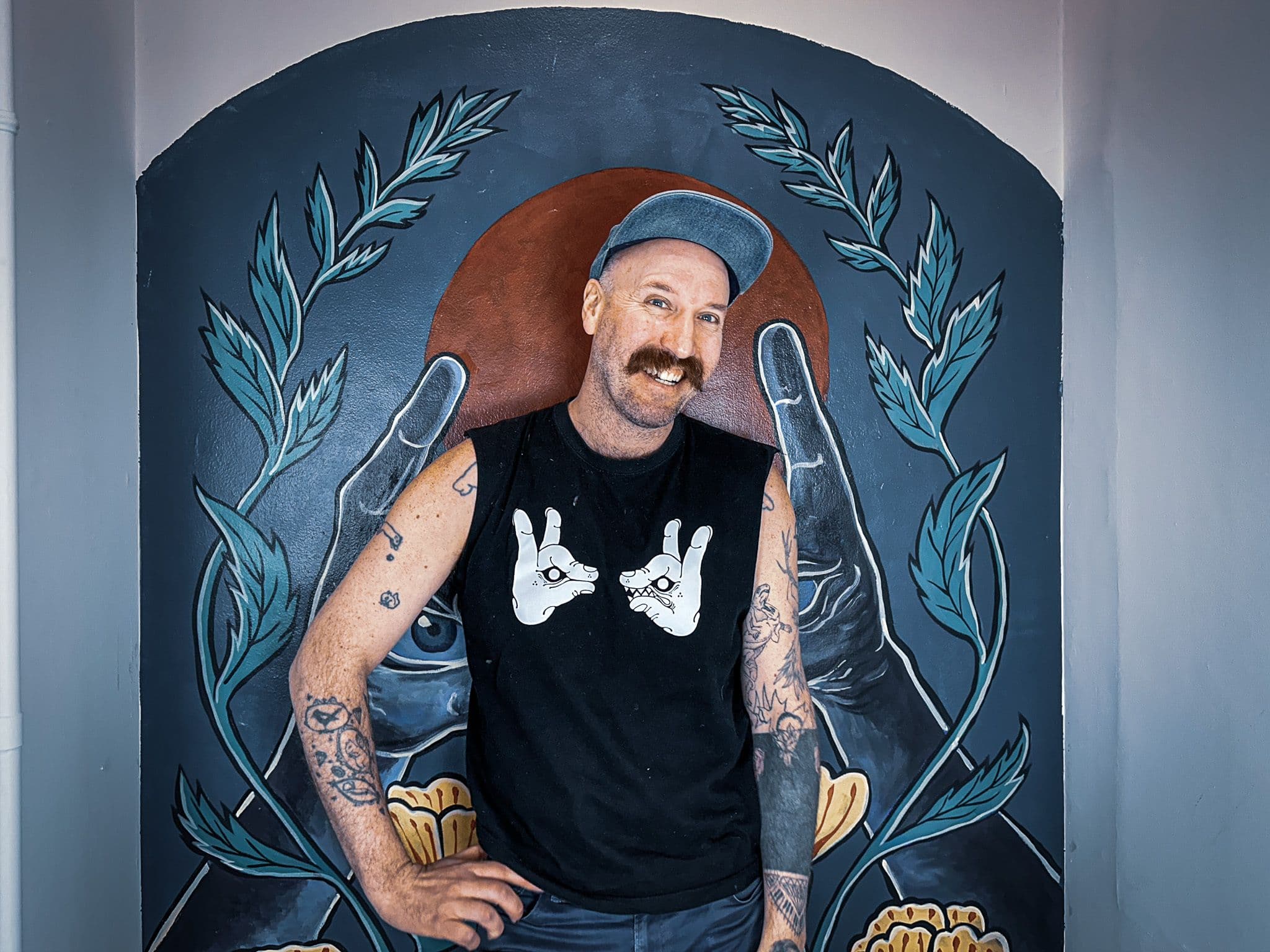 Interview
Jillian Chaplin: co-founder of 18CLUB tattoo studio
We sit down with Jill, co-founder of Tattoo Studio 18CLUB in Kobe, to hear about his journey opening a business in Japan in a famously stigmatized industry.
·Rob Chapman#Culture.#Founder Story Insight
Climate change, energy, and Japan’s GX & fusion startups, part 1: History
Focusing on climate change and energy, this series explores Japan's modern energy history while introducing Japanese GX companies and nuclear fusion start-ups. Part 1 covers Japan's modern energy history, detailing developments from the Meiji Restoration to the world wars.
·Tatsuya Yajima#cleantech.#climatechange.#Energy.#History Interview
KSAC: how Kansai universities are powering Japan’s deeptech future
Interview with Tatsuya Yoshida, Representative of the Kansai Startup Academia Coalition (KSAC).
·Rob Chapman#Academic.#Consortium.#DeepTech.#Ecosystem Insight
Experience the Future of Health: Inside Osaka’s Nest for Reborn Pavilion at Expo 2025
We went to Osaka Expo 2025 to check out Osaka’s Nest for Reborn Pavilion and try the 'Reborn Experience Route,’ where visitors embark on a journey to rediscover their own health and imagine the future of well-being.
·Blackbox Contributor#Expo.#life sciences.#healthcare.#Well-being Insight
Pitch events at Umeda Innovation Week: the Japanese startup ecosystem grows up
We attended the three major pitch events of Umeda Innovation Week over Sept 16-19 2025. They indicate a tipping point in the Japanese startup ecosystem being reached, with Kansai at the forefront.
·Rob Chapman#Startup Pitch.#Ecosystem.#Event Report Interview
Interview with Alvaro Rios of Kawatek: building the future of bionics in Japan
From Columbia to Mexico to the USA to Germany and then finally to Japan, Alvaro Rios sits down with Blackbox to talk about his company and why Japan makes sense for medtech and robotics startups... and some pitfalls to watch out for.
·Rob Chapman#Founder Story.#Medical.#Robotics.#Technology Insight
Event report: SKS JAPAN 2025
SKS JAPAN 2025 showcased how Japanese agritech startups are addressing issues such as food waste, resource circulation, and declining domestic demand while exploring opportunities for global expansion.
·Keito Okabe#Agriculture.#climatechange.#Ecosystem.#Event Report Insight
Japan’s Stablecoin Landscape: Regulation, Innovation, and the Road Ahead (part 2/2)
This article explores the growing significance of stablecoins—cryptocurrencies pegged to fiat currencies like the U.S. dollar or Japanese yen—in both the United States and Japan. While adoption in the U.S. has surged, with new legislation like the GENIUS Act supporting the ecosystem, Japan has taken a regulatory leadership role, having first defined crypto assets in 2017. The article reviews Japan’s legal framework under the Payment Services Act (PSA) and the Financial Instruments and Exchange Act (FIEA), recent amendments, and the emergence of local stablecoin initiatives. It also highlights future prospects for stablecoin-based payments.
·Tatsuya Yajima#Cryptocurrency.#DX.#Finance.#Technology Insight
Japan’s idols and the fan economy—history and now
Ryo Asai’s new novel *In the Mega-Church* explores Japan’s fan economy and idol culture, tracing its evolution from Johnny’s boy bands and AKB48’s participatory model to globalized, tech-driven fandoms. Today, digital platforms, audition documentaries, and virtual performances reshape how fans connect with idols. Startups are innovating in fan engagement, live interaction, and merchandise using data and blockchain, though issues like scandals and over-commercialization remain. Japan’s idol industry highlights the power of community-driven content. The article also announces a February 2026 Shibuya program for creative tech startups, featuring exhibitions, networking, and collaboration with DIG SHIBUYA.
·Tatsuya Yajima#Blockchain.#DX.#Entertainment.#Innovation Insight
Japan’s Stablecoin Landscape: Regulation, Innovation, and the Road Ahead (part 1/2)
Japan has played a pioneering role in regulating cryptocurrencies and stablecoins. While stablecoins like USDT and USDC reach over $235 billion globally, Japan is still in early adoption stages. The country first legally defined crypto assets in 2017 under the Payment Services Act (PSA). A 2023 amendment introduced the first stablecoin regulations, marking a key milestone. Alongside, the Financial Instruments and Exchange Act (FIEA) governs security tokens and blockchain-based financial products. With cashless payments now at 42.8%, experts see stablecoins as the next step in Japan’s digital payment evolution, supported by progressive legal and technological frameworks.
·Tatsuya Yajima#Blockchain.#Cryptocurrency.#DX.#Finance Interview
Daniel Brown, Founder of Meidansha
Daniel Brown, founder and CEO of **Meidansha**, shares his entrepreneurial journey in Japan. Originally from Australia, he came to Japan in 2003, worked in finance, and later co-founded a 3D virtual tour company in Osaka. After his partner’s passing, he continued running the business alone. Daniel reflects on cultural and professional lessons—how being a foreigner can be both a challenge and an advantage in Japan’s business world. His key advice: focus on purpose, not just profit. Genuine passion earns trust and lasting connections, especially in Japan’s relationship-driven business culture.
·Rob Chapman#Finance.#Founder Story.#Technology Insight
Travel and tech in Japan: Samurai Era to the Digital Age
Japan’s travel culture has evolved from Edo-period restrictions to today’s seamless, tech-driven experiences while preserving *omotenashi*, the spirit of hospitality. The Meiji era’s railways revolutionized mobility, and the early 1900s saw tourism’s commercialization. Now, travel startups like Tabist, HafH, Relux, and WAmazing are redefining hospitality through digital innovation—connecting tradition with technology. Tabist modernizes ryokans, HafH supports nomadic lifestyles, Relux curates luxury with craftsmanship, and WAmazing empowers international travelers. Together, they showcase how Japan’s travel industry blends cultural heritage with cutting-edge solutions, proving that innovation thrives when it enhances human connection rather than replaces it.
·Kazuma Tamura#History.#Innovation.#Technology.#Travel Insight
Generative AI and music production
Generative AI is transforming music creation, allowing anyone to compose songs without technical skills. Platforms like Suno, AIVA, and Udio automate composition through text prompts, attracting millions worldwide. However, this rapid innovation raises ethical and legal challenges. Artists and organizations like the RIAA and ARA are pushing back against unlicensed use of copyrighted works, while AI detection tools emerge to counter abuse. As the AI music market is projected to grow from €3 billion to €64 billion by 2028, musicians face declining income and an uncertain future. The industry now stands at a crucial crossroads between creativity and technology.
·Tatsuya Yajima#AI.#Entertainment.#Music.#Technology Insight
3 inspiring startups pioneering the future of living
As Japan rethinks work and lifestyle after the pandemic, a new generation of startups is transforming how people live. ADDress, Sanu, and HafH are leading this change through flexible, subscription-based living models that make it easier to explore life beyond big cities. From shared houses and nature-rich cabins to global “home away from home” networks, these companies offer new freedom for remote workers, digital nomads, and anyone seeking balance between work and life. Together, they represent Japan’s growing shift toward sustainable, flexible, and experience-driven living for the post-COVID era.
·Kazuma Tamura#AI.#digital nomads.#Lifestlye.#remote work Insight
Coworking Spaces: Tokyo, Part 1
Tokyo’s coworking scene is rapidly evolving, reflecting global entrepreneurship and flexible work trends. Spaces like Impact Hub Tokyo, Fabbit Kyobashi, Blink Smart Workspace, and pao pao Gotanda each offer unique atmospheres—from international networking hubs to quiet professional environments and cozy community spaces. Facilities range from 24-hour private offices to cafes, event areas, and even pet-friendly options. While Impact Hub and Blink attract global entrepreneurs, Fabbit and pao pao cater more to Japanese professionals. Together, they showcase how Tokyo is redefining collaboration, creativity, and comfort for the new generation of mobile, cross-border workers.
·Ryoko Motohata#co-working.#digital nomads.#Incubation Insight
Short-form video and the rise of the “Short Drama”
Short dramas—bite-sized episodes lasting seconds to minutes—are rapidly gaining global traction, fueled by the rise of short-form videos on TikTok, YouTube, and Instagram. Originating in China’s online fiction culture, the market reached about $5 billion in 2023 and is projected to hit $14 billion by 2027. Japan is now seeing similar momentum, with over half of users aged 15–49 regularly watching short videos. New apps like Fany:D, BUMP, POPCORN, and UniReel are emerging, signaling a transformation in storytelling, advertising, and media consumption as short-form narratives become a defining force in global entertainment.
·Tatsuya Yajima#Culture.#Entertainment.#Media Interview
Yuko Mishio: CEO of Impact HUB Tokyo
Yuko Mishio, CEO of Impact HUB Tokyo, shares her journey from studying and working across Europe to leading one of Japan’s most vibrant coworking and incubation spaces. Rooted in an old print factory, Impact HUB Tokyo fosters entrepreneurs, artists, and changemakers through co-working, a community café, and an upcoming artist-in-residence program. Mishio highlights Japan’s structured yet slow-moving business culture, the growing opportunities for startups, and the importance of resilience in times of change. Her vision is to create a supportive space where creativity and entrepreneurship intersect, encouraging young generations to embrace risk and shape society.
·Blackbox Contributor#Art.#co-working.#Incubation.#Interview Insight
Japan’s AI Journey: Past Lessons, Future Potential
Japan’s AI journey spans decades, from early machine translation and the 1980s Fifth Generation Computer Project to today’s generative AI startups. Despite less global visibility, Japan has steadily advanced with a focus on language, logic, and practical applications. Companies like Sakana AI, Preferred Networks, ABEJA, and Jitera are leading efforts in foundation models, robotics, business solutions, and low-code platforms. Challenges include limited Japanese training data, but this also creates opportunities for specialization. Backed by partnerships with corporations, universities, and global investors, Japan’s AI ecosystem is growing and positioning itself as a unique, collaborative force in the global AI landscape.
·Kazuma Tamura#AI.#DX.#History.#IT Interview
Andy from Hungry Osaka Tours
Andy Watanabe, owner of Hungry Osaka Tours, shares his journey from teaching in Japan to running his own tour company. Originally from Europe, he moved to Japan “for a year” but stayed 25. After teaching and opening an English school, he shifted to tour guiding in Osaka, focusing on high-quality, bilingual experiences. Andy notes challenges with bureaucracy and banks as a foreign entrepreneur but highlights his wife’s support and the importance of learning Japanese. His advice: respect local customs, make the effort, and people will support you—success in Japan comes from hard work and gratitude.
·Rob Chapman#Founder Story.#Food.#Tourism