
Anime: history, entertainment, and cultural export

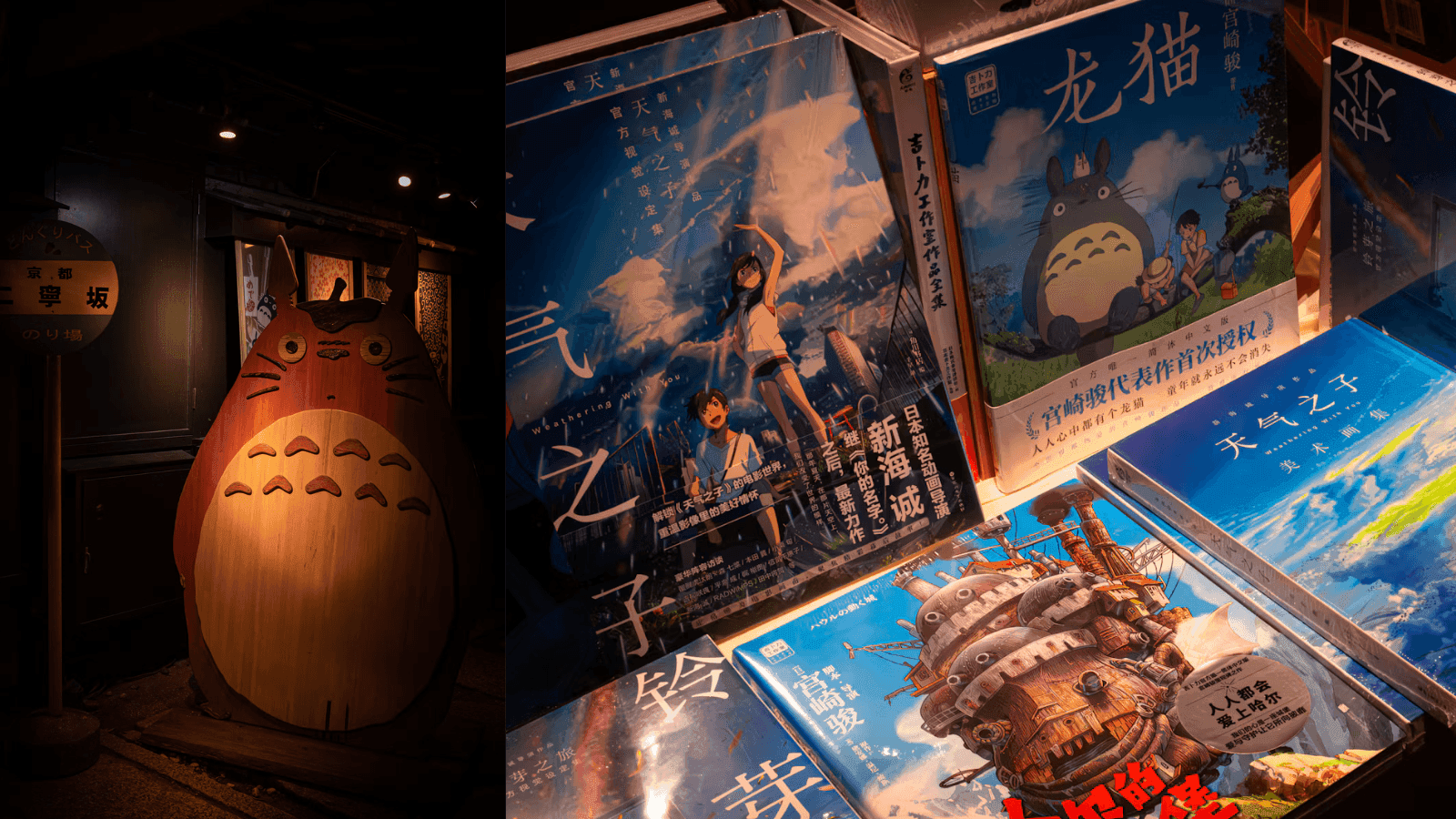
Needless to say, Japanese animation is quite popular all over the world. Japanese people don’t regard those who watch animation as nerdy or otaku, even though it carries that stigma abroad—it is quite common to find an entire family watching the same anime in evening primetime.
In this article, I want to explore the features and the history of Japanese animation, and how it became one of Japan’s most recognized cultural exports.
Historical roots
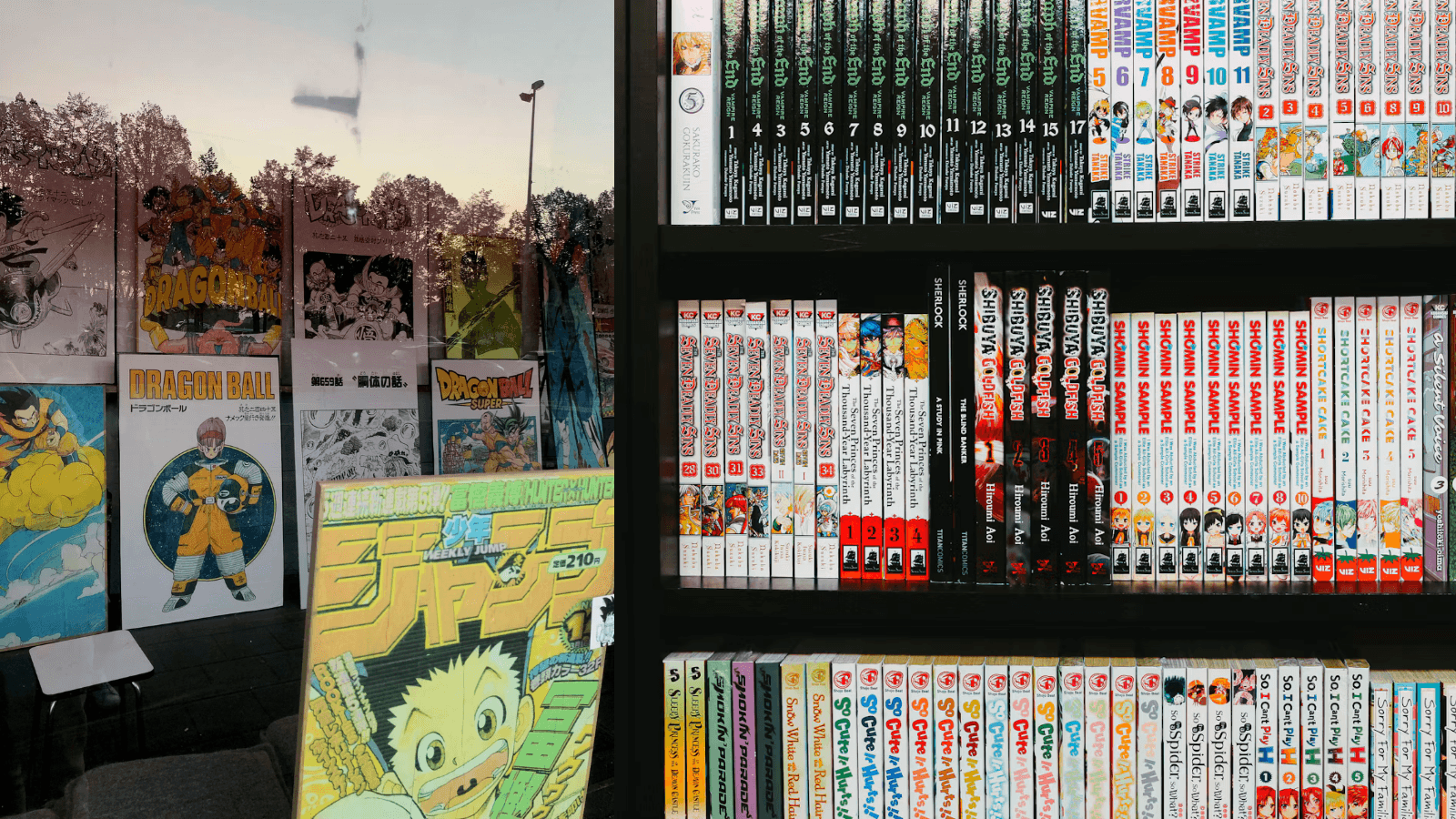
Comics have been enormously popular and widespread in Japan from quite long ago, which means people more readily accept entertainment with hand-drawn visuals.
In the Heian period (794 to 1185), picture scrolls, like Choujujinbutugiga, became popular. This is often seen as the origin of the fusion of pictures and narrative, and is the prototype of modern comics.
In the Edo period, which was a relatively peaceful time from 1603 to 1868, mass media developed, with roots in mass production woodblock printing and a high literacy rate. It led the trends of Giga, satirical drawings often featuring animals or exaggerated humans, and Kusazoshi, illustrated storybooks with humor, drama, folklore, and everyday life scenes.
Once the Meiji period began, satirical illustration was introduced from Western culture, and the Japanese utilized comics as a way of political satire and social criticism. Some comic magazines began to publish.
After WWⅡ, the publishing revolution caused the spread of picture-story shows and red-cover manga, establishing them as entertainment for ordinary people. The free expression expands from the children’s comics that evaded censorship, while magazines and comics were subdivided into categories for boys, girls, young men, and women.
We can’t talk about the Japanese comic industry without Osamu Tezuka, who introduced narrative and cinematic direction to comics like Tetsuwan Atomu (ASTRO BOY). He also moved away from gag-focused manga, appealing to adults with the balance between entertainment and education, established a business model for anime production, and became the pioneer of the global spread of Japanese comics.
Diverse genres and profound themes
One of the attractive points of Japanese animation is the variety of genres. Popular genres like action, romance, and SF serve as mainstays, but sports, horror, philosophy, and everyday life also find fans.
Japanese animation goes beyond just entertainment, and it depicts social issues and human conflict, which is considerable. It is based on four elements.
First and foremost, the diversity of Japan's manga industry has played an important role in shaping anime. After World War II, manga magazines increasingly catered to different audiences, including boys, girls, and adults. This allowed creators to explore a wider range of genres and themes, from sports and romance to politics and human drama. As manga readership expanded beyond children, anime also developed into a form of entertainment that could appeal to different generations.
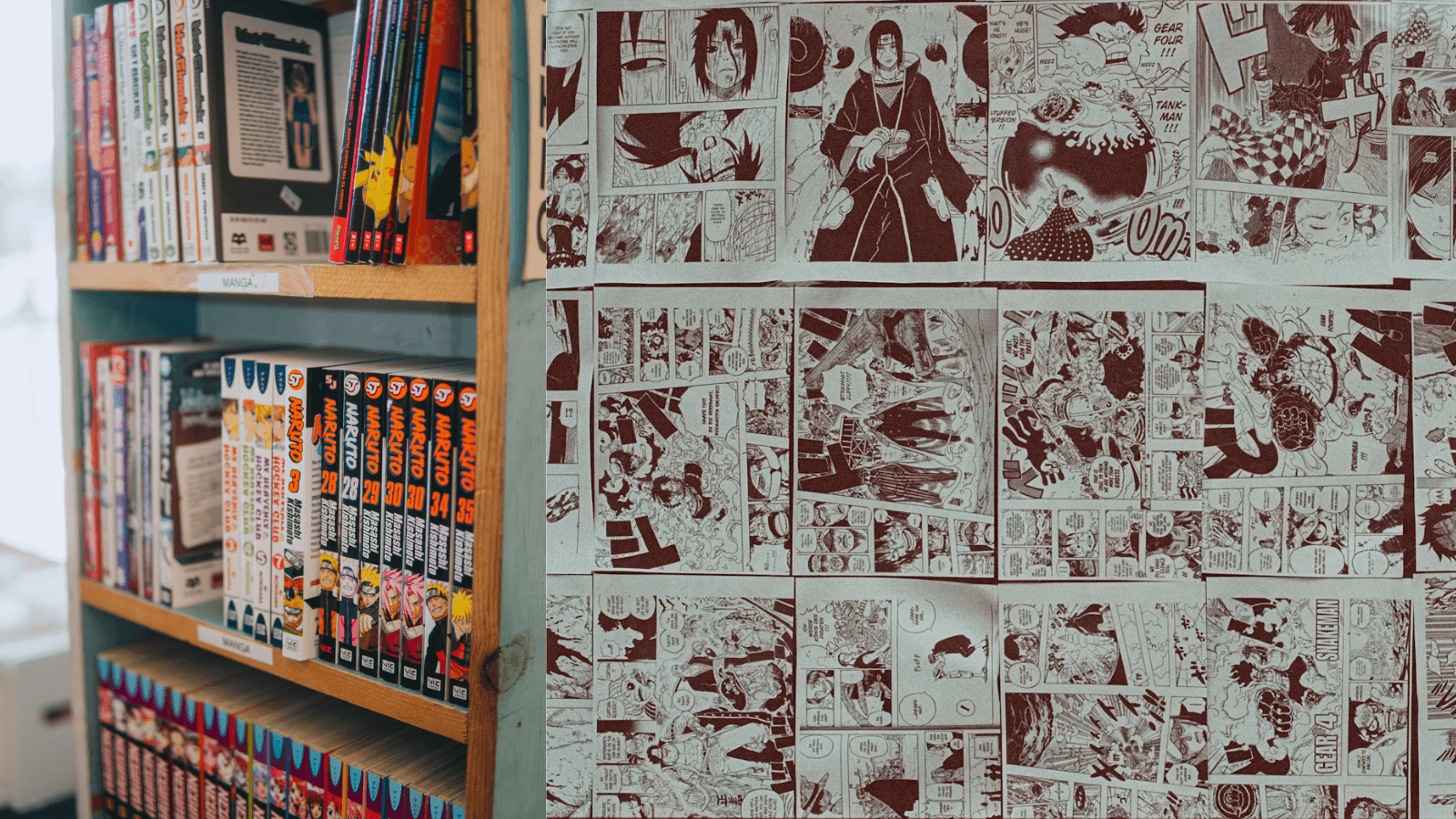
After World War II, Japan's publishing industry expanded, and manga magazines increasingly catered to different age groups and genders. This created a broad readership that could continue enjoying manga as their interests changed with age, challenging the idea that comics were only for children.
Anime also began to explore more mature themes. Space Battleship Yamato (1974) and Mobile Suit Gundam (1979), for example, depicted war, political conflict, and complex human relationships.
In the 1980s, the spread of home video technology helped diversify anime distribution. The emergence of Original Video Animation (OVA), released directly on video rather than first airing on television, created new opportunities to reach niche audiences and explore different creative approaches.
Unique art style and presentation
One of the distinctive features of Japanese anime is its visual language. Expressive character designs, detailed backgrounds, and dynamic compositions work together to tell stories in ways that go beyond dialogue.
Character design is particularly important. The distinctive large, expressive eyes and exaggerated facial expressions have become a calling card of Japanese anime, and have had a massive influence in modern design styles in other countries, with even Disney adopting a more anime-based visual language in its movies from the early 90s. Able to communicate emotions clearly, even across language barriers, these features vary considerably between works but are united in their ability to allow creators to develop recognizable characters and convey subtle changes in their feelings.
Another defining feature is the relationship between characters and their surroundings. Backgrounds are not simply decorative; lighting, weather, scenery, and the use of empty space can reflect a character's emotions or establish the atmosphere of a scene. For example, Makoto Shinkai's Your Name is known for its detailed depictions of everyday landscapes and dramatic use of light, making familiar places feel emotionally significant.
Anime also uses cinematic techniques in distinctive ways. Close-ups, unusual camera angles, exaggerated movement, and deliberate pauses can emphasize tension or emotion. Some productions use limited animation, focusing movement on selected elements rather than animating every detail continuously. This approach can create a distinctive rhythm and direct viewers' attention to what matters most in a scene.
Anime as cultural export
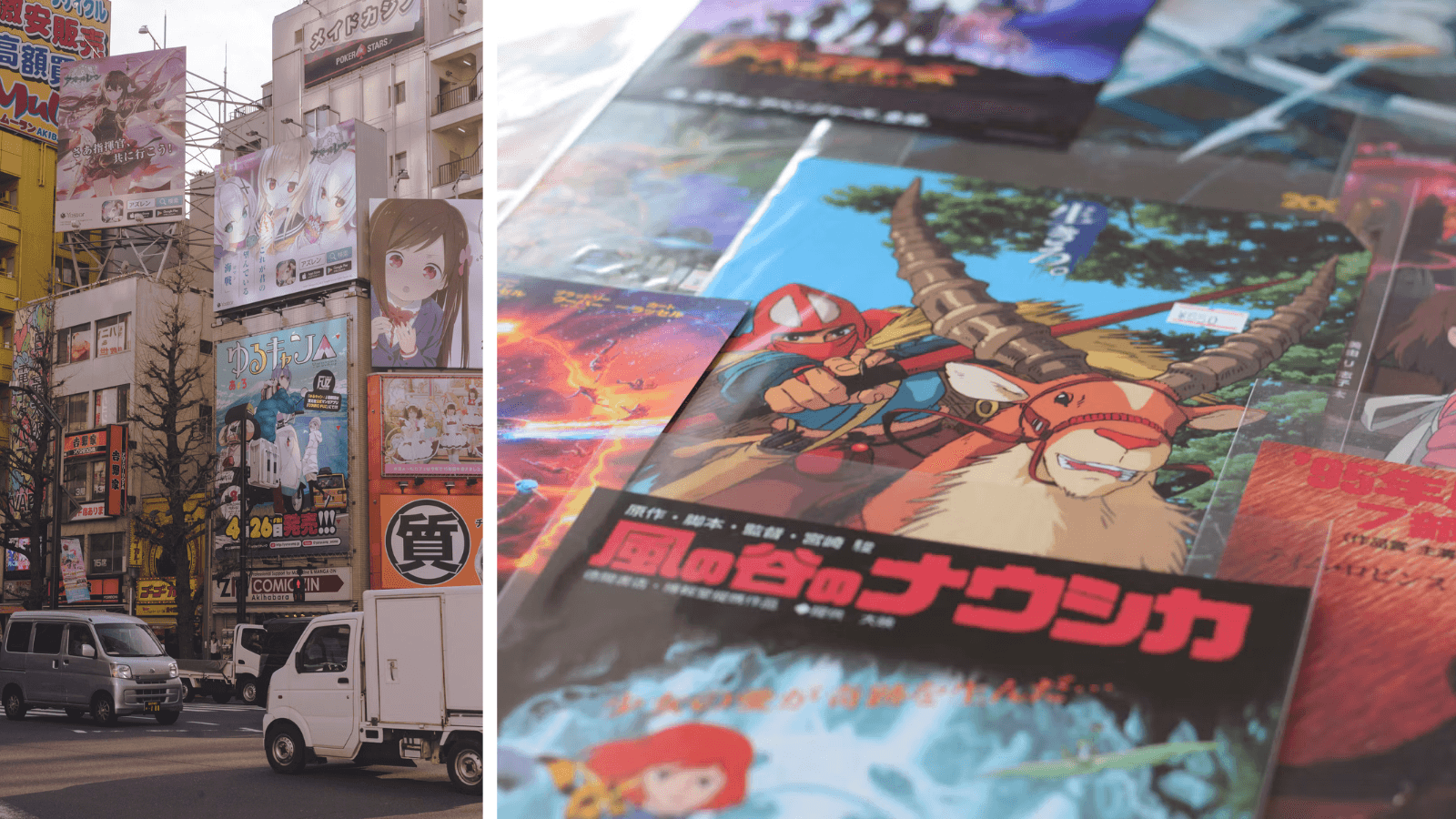
Japanese anime often combines elements of Japanese culture with themes that resonate with audiences around the world. Traditional beliefs, local customs, seasonal landscapes, and social values can give a story a distinct cultural identity, while themes such as love, loss, friendship, and personal growth make it relatable to viewers from different backgrounds.
A good example is Spirited Away, directed by Hayao Miyazaki. The film incorporates elements of Shinto beliefs and Japanese folklore, including spirits associated with the natural world. At the same time, its story follows a young girl who must adapt to an unfamiliar world and learn to become more independent. Viewers can appreciate its imaginative depiction of Japanese spiritual traditions while also connecting with its portrayal of growing up and facing challenges.
This combination allows anime to introduce audiences to aspects of Japanese culture without requiring them to understand every cultural reference. Some details may be unfamiliar to international viewers, but the emotions and conflicts at the heart of a story can still be understood. In this way, anime offers both a window into Japanese culture and stories that cross cultural boundaries.
International expansion
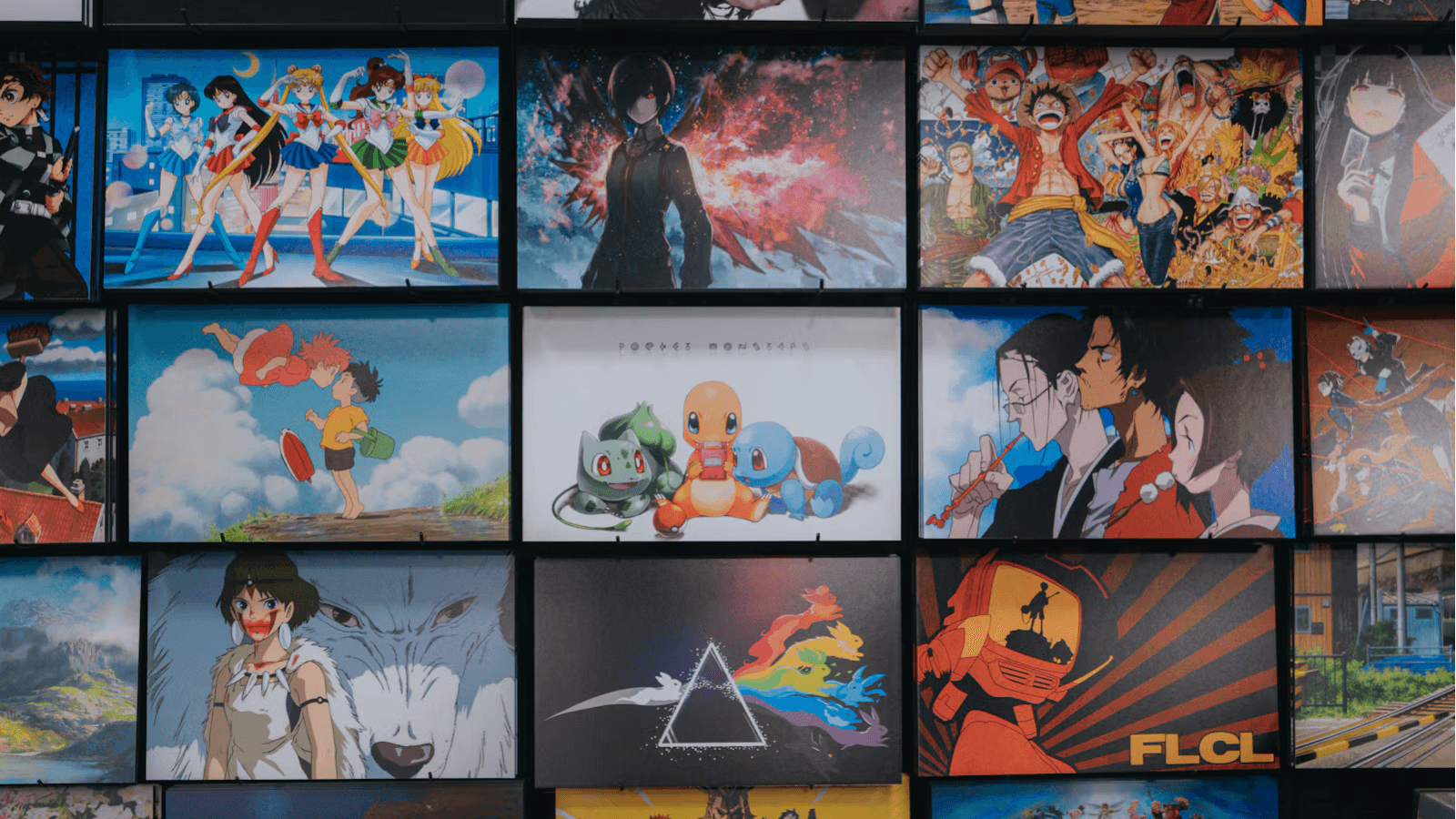
Japanese anime began reaching international audiences decades ago, with works such as Astro Boy gaining popularity overseas in the 1960s. Since then, titles such as Dragon Ball, Sailor Moon, and One Piece have reached audiences across different countries and generations. International expansion has been supported by television broadcasting, licensing, and, more recently, digital streaming platforms.
Translation has played an important role in this process. Subtitles and dubbing make anime accessible to viewers who do not speak Japanese, while localization adapts certain elements to the language and cultural context of each market. This can involve more than translating dialogue; on-screen text and cultural references may also need to be considered.
At the same time, translation involves balancing accessibility with cultural authenticity. Some early international releases edited or adapted Japanese anime to fit local broadcasting standards and audience expectations. Today, many international fans also choose to watch anime with Japanese audio and subtitles, allowing them to experience more of the original language and cultural context.
The growth of online fan communities has further supported anime's global reach. Fans have helped introduce works to new audiences, discuss cultural references, and build communities across borders.
Rise of the anime pilgrim
Anime fandom often extends beyond watching a series or film. In Japan, seichi junrei, or anime pilgrimage, has become a way for fans to connect fictional stories with real-world places. Fans visit locations featured in anime or used as inspiration for its settings, recreating scenes, taking photographs, and exploring the surrounding area. Through these experiences, ordinary streets, shrines, and landscapes can take on special meaning for fans.
Anime pilgrimages can also create connections between fans and local communities. In Washimiya, Saitama Prefecture, the popularity of Lucky Star encouraged fans to visit the area, and local businesses and community organizations became involved in welcoming them. Such examples show how anime can contribute to regional tourism and create new opportunities for local communities.
Beyond travel, fan culture helps anime spread through online communities, fan art, cosplay, conventions, and social media. Fans share their interpretations, introduce works to new audiences, and build connections with people who have similar interests across national borders. In this way, anime becomes more than entertainment: it can inspire experiences, communities, and cultural exchange that extend far beyond the screen.
Conclusion
The global popularity of Japanese anime is the result of several factors working together: diverse genres, distinctive visual expression, a fusion of Japanese culture and universal themes, and an industry that appeals to audiences across generations. International distribution and translation have made anime accessible worldwide, while passionate fan communities have helped it grow beyond the screen.
Anime also demonstrates how a form of entertainment rooted in one country's culture can connect people across borders. For businesses and creators in the entertainment industry, Japan's anime industry offers valuable insights into storytelling, audience engagement, and global expansion. As anime continues to reach new audiences and inspire new forms of collaboration, it remains an important part of Japan's cultural influence and creative industries.