
Tokyo Game Show 2026: Turning 30, and Companies Outside Gaming Are Taking the Stage

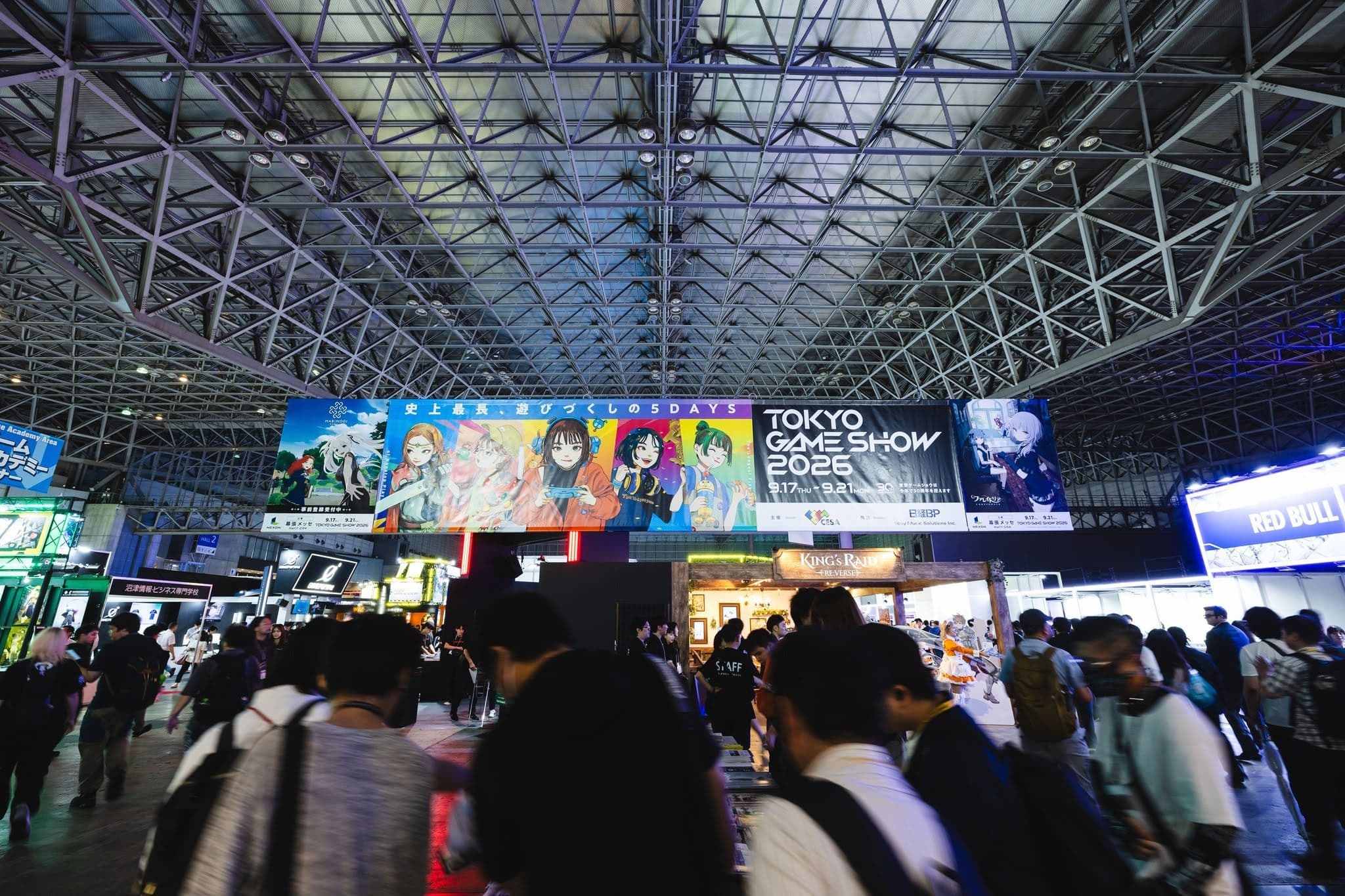
The Tokyo Game Show 2026 opened at Makuhari Messe on September 17. Marking its 30th anniversary, the show was originally planned to run for five days, the longest in its history. A typhoon forced organizers to cancel the final day on the 21st, so the event ultimately ran for four days.
Blackbox's editorial team attended the opening business day on September 17. Walking the floor, what stood out wasn't only the flagship titles from major publishers. Companies that have never been associated with gaming, including Sanrio, Parco, and the semiconductor maker Kioxia, made a visible presence. TGS2026 wasn't just a showcase for new titles. It also revealed how a growing number of unrelated industries are converging on gaming as a market.
Every major booth became a place to experience, not just play
Walking through the venue, each major publisher's booth felt closer to a small amusement park than a simple product display. Playable demos were combined with stages, video installations, photo spots, and merchandise counters, so visitors weren't just trying out games. They were stepping into the world each title was building around itself.
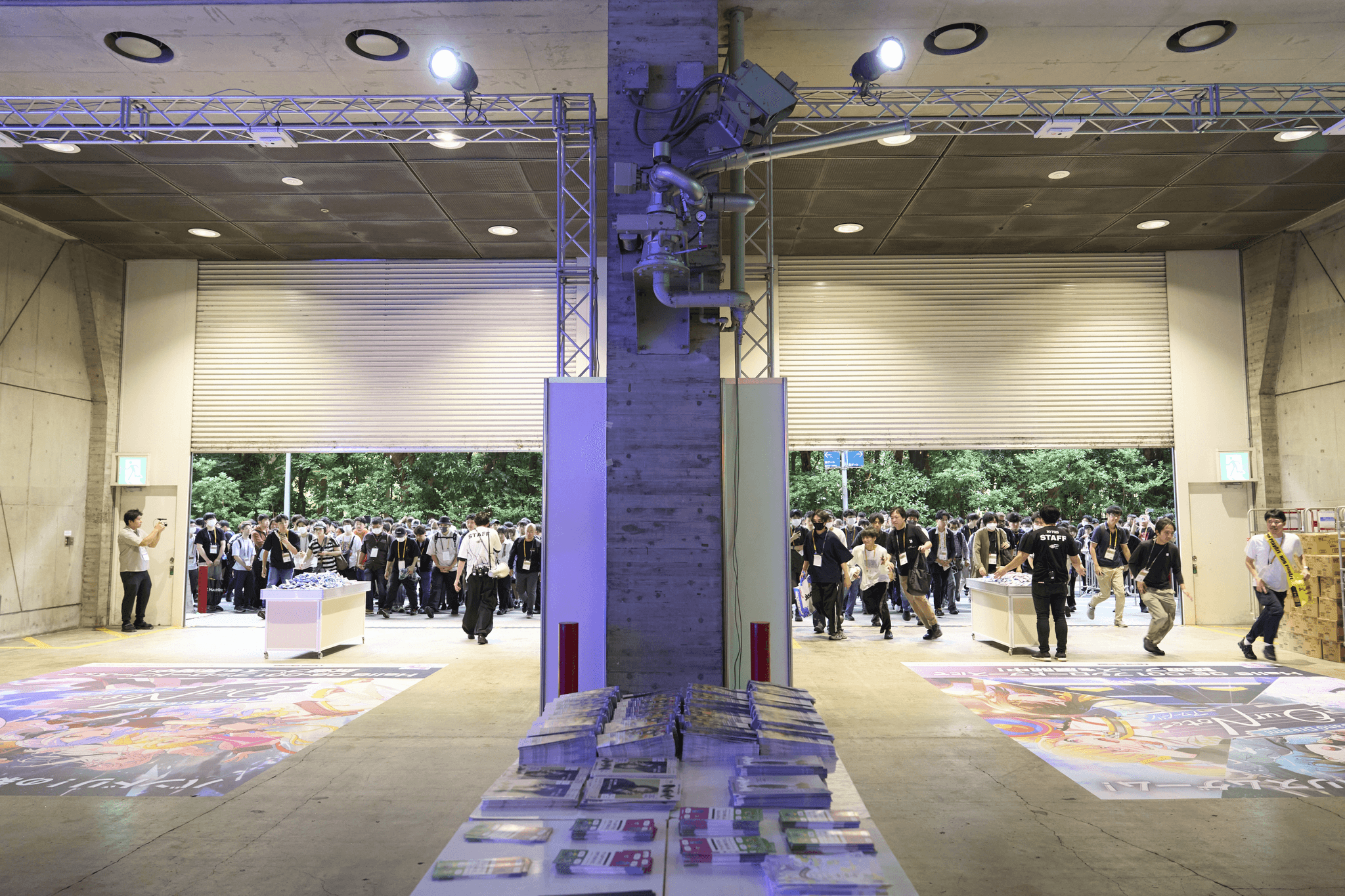
Anniversary banners and limited edition merchandise were also popular, and lines formed at the entrance from the moment the doors opened. For several popular titles, all the play vouchers for the day were gone by early afternoon, a clear sign of how much demand the show still generates even three decades in.
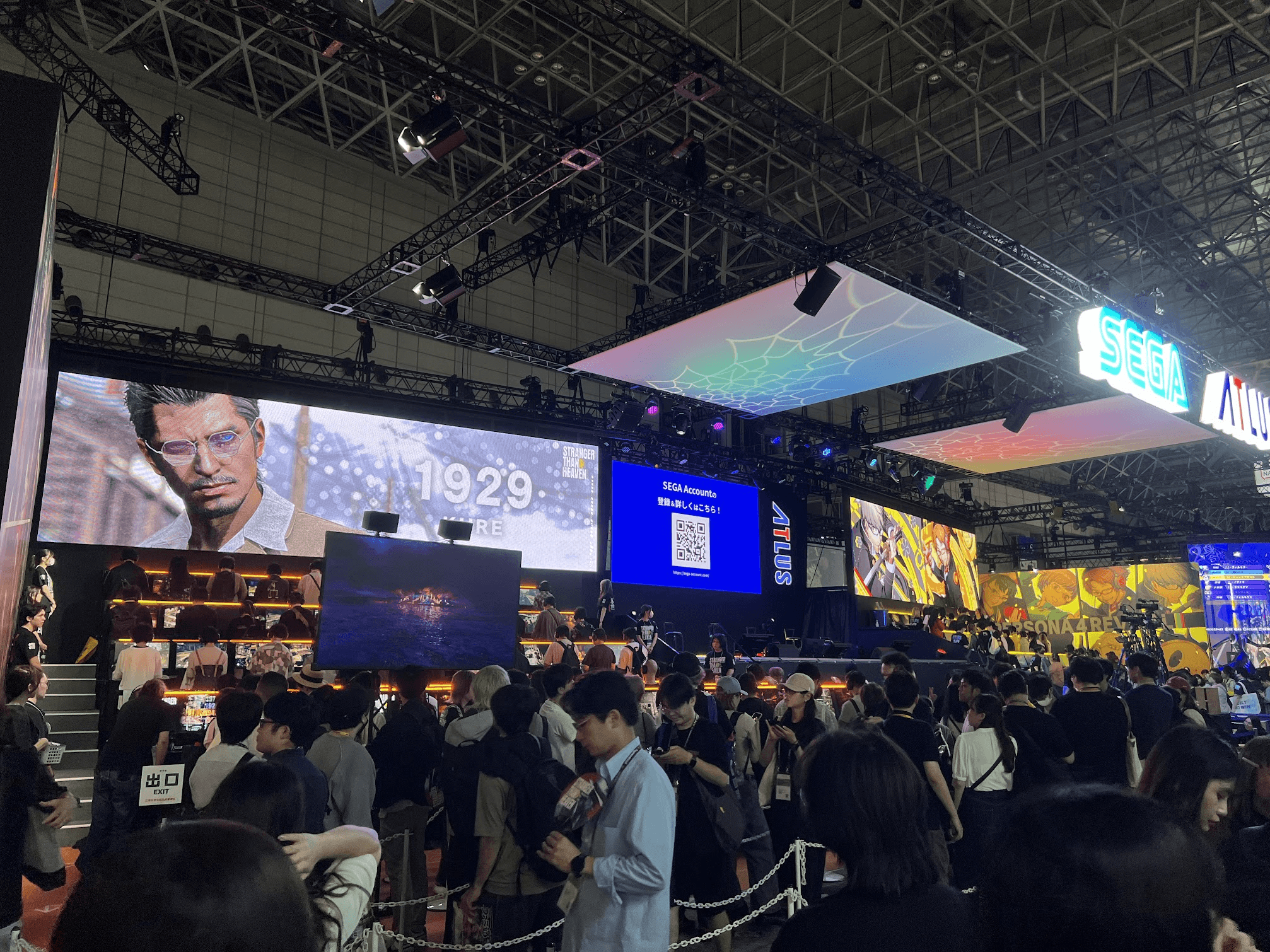
Sega and Atlas ran what was likely their largest booth to date. Alongside playable demos of Stranger Than Heaven and Persona 4 Revival, the booth hosted numerous stage events and an experiential area built around the Nintendo Switch 2 version of Metaphor: ReFantazio. Over the days, the booth was set to run 16 titles across 27 different stage programs.
Capcom's booth let visitors try Monster Hunter Wilds: Ascendant, Rockman: Dual Override, and Street Fighter 6. The company also teamed up with Suzuki, which returned for a second year to display vehicles decorated with Street Fighter 6 characters.
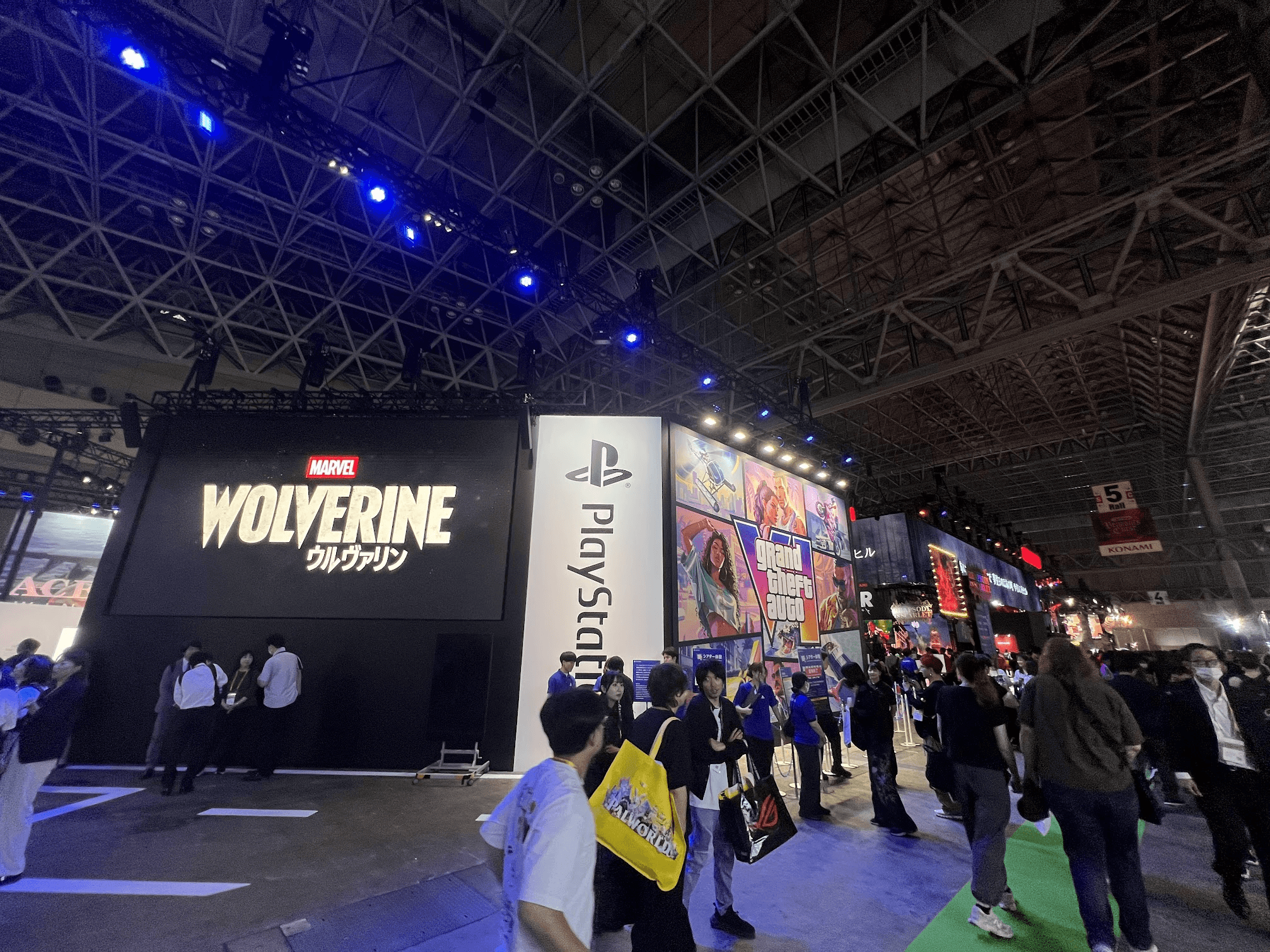
Sony Interactive Entertainment's booth left just as strong an impression, though it played a different game entirely. Visitors could see a full-size LEGO recreation of the original PlayStation and a photo spot themed around Marvel's Wolverine, alongside a limited edition DualSense controller inspired by Grand Theft Auto VI.
The highlight, though, was a dedicated theater for Grand Theft Auto VI: An Extended Look, where a 300-inch screen was paired with a vibrating floor synced to the footage and sound. Rather than watching a game on a screen, visitors felt it move through the floor and into their bodies.
For Sony and other major publishers, the biggest booths at TGS increasingly function as both a marketing space and a showcase for what an entertainment experience can become once it steps outside a monitor.
###Companies from outside gaming industry made themselves known Alongside the major publishers, what really caught the eye at TGS2026 was the sheer number of companies with no traditional roots in gaming.
Parco, the commercial real estate and fashion operator behind department stores across Japan, showed four titles under Parco Games, a label it launched in August 2025 specifically to introduce itself as a new publisher to the industry. The film company Toei launched its own game label in April and exhibited for the first time, alongside Shueisha, the publishing giant behind Jujutsu Kaisen, whose in house studio Shueisha Games is preparing a fighting game based on the franchise. Kioxia, a semiconductor manufacturer, was there too for its first appearance at the show.
More and more companies now appear to see games not as a separate venture to build from scratch, but as a new business area they can graft directly onto what they already do.
Sanrio's presence was one of the clearest examples of this shift, and the most visible one on the floor.
Why Sanrio is treating games as a serious business
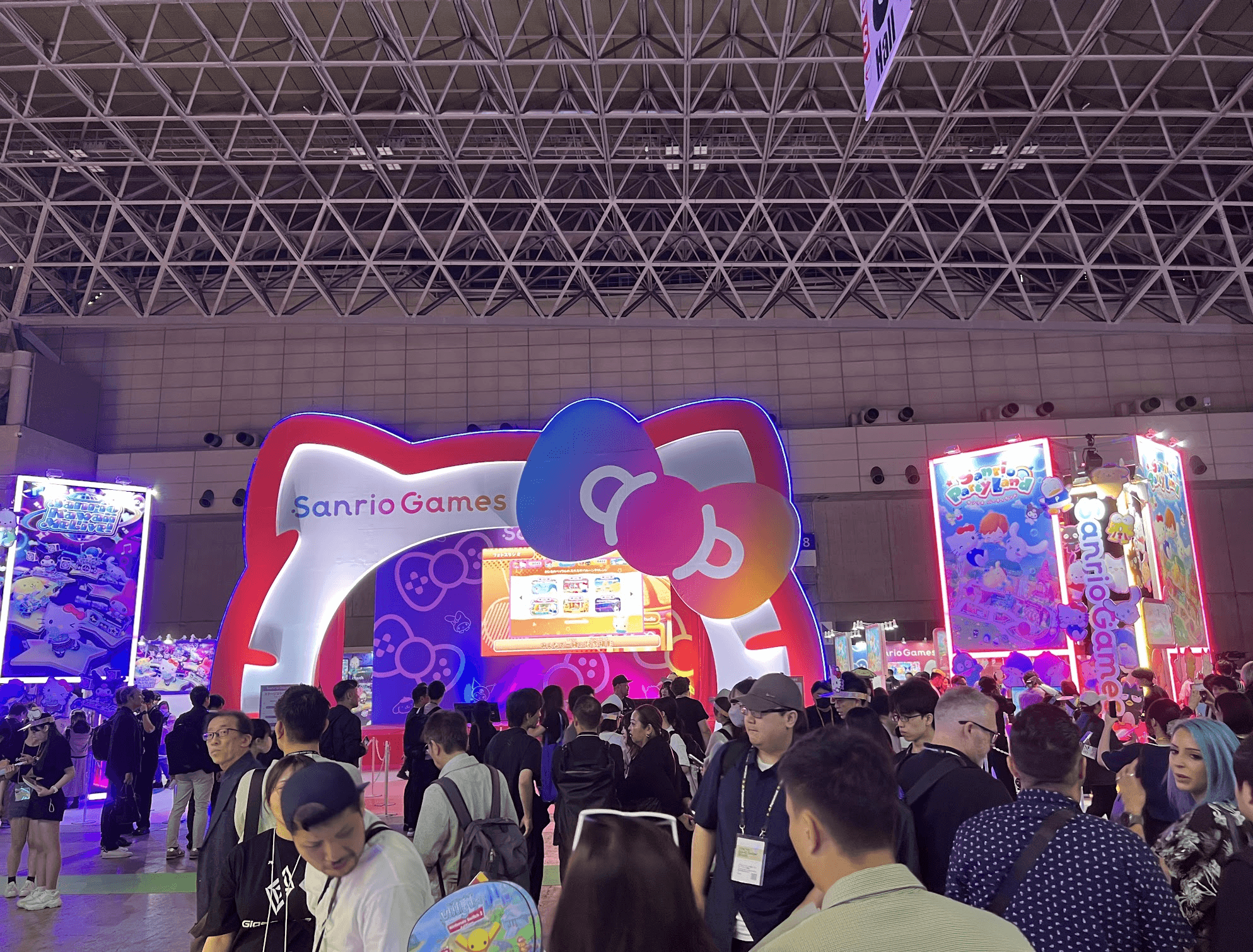
Sanrio, the company behind Hello Kitty and dozens of other characters, launched its own publishing label, Sanrio Games, in April 2026. The label's first title, Sanrio Party Land, is set for a simultaneous worldwide release this fall, with a plan to release around ten titles by March 2029.
This was Sanrio's first appearance at TGS, and its booth included an early access area for hands on demos of upcoming Sanrio Games titles. Around the venue, many visitors could be seen wearing Hello Kitty and Pompompurin hats handed out as promotional items at the booth.
Why would a company that already runs theme parks and sells merchandise worldwide need games at all? Part of the answer came through at a TGS forum session titled "The Challenge from Outside Industries: Sanrio, Parco, and Toei on Their Goals and Strengths in Game Publishing." There, Sanrio described games not as a standalone new business but as a new kind of touchpoint linking its character IP to fans.
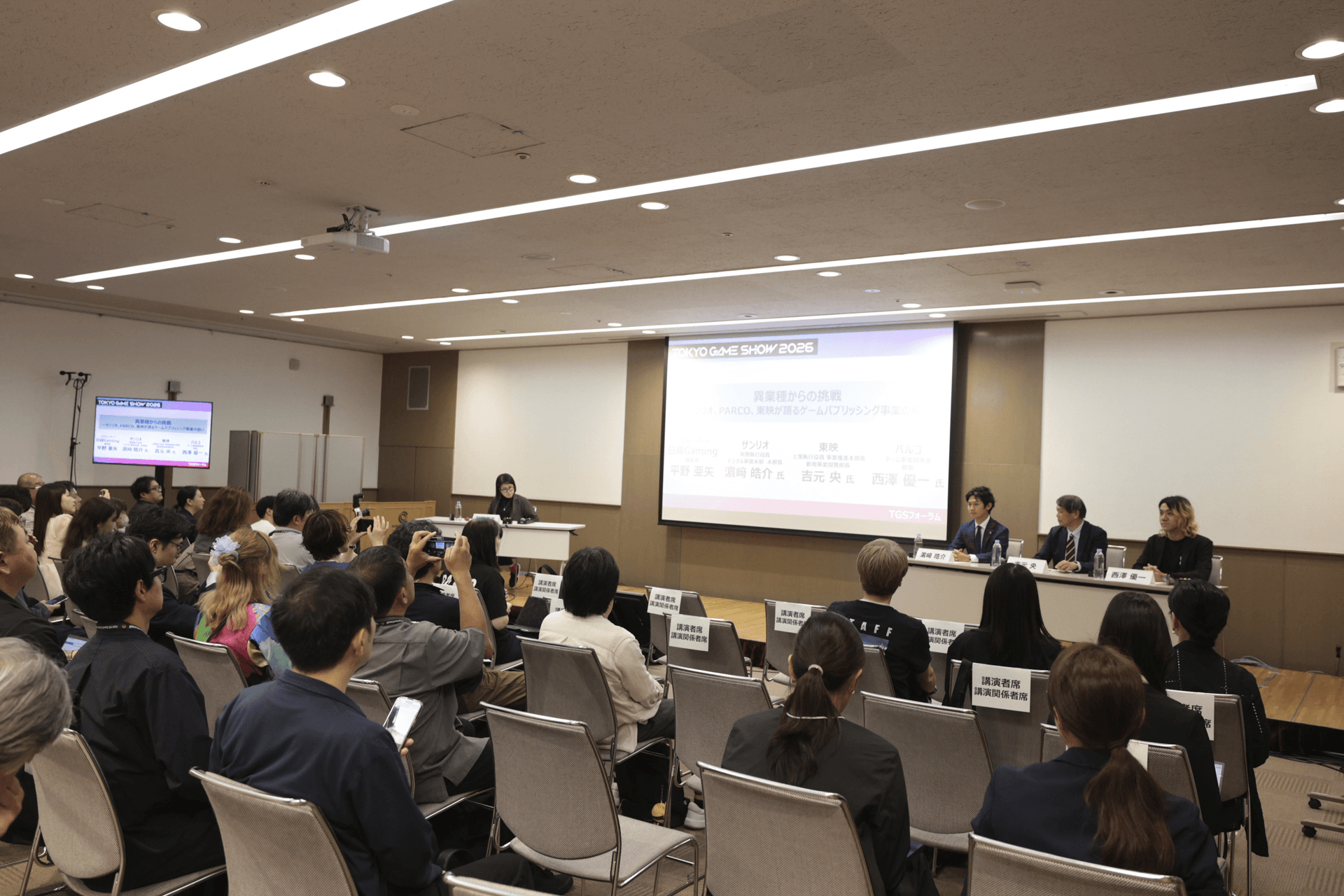
Games can do more than put existing characters in front of players. They can generate entirely new characters, which can then be spun off into merchandise and other media. And because people play games daily, a game can create a daily connection with a brand in a way that merchandise or theme park visits can't.
Sanrio has committed roughly ten billion yen to this effort and plans to release ten titles over three years. Its debut at TGS marked the moment when that strategy began to take shape in front of real users.
Kioxia showed off the hardware behind esports
Technology companies are also becoming more visible at TGS2026. Kioxia, for example, made its first appearance at the show this year.
The semiconductor maker exhibited a competition PC equipped with its Exceria Pro G2 gaming SSD. The same SSD was certified for official eSports use at the 20th Asian Games, held in September 2026.
Visitors could try Street Fighter 6 on the PC and experience the performance of the SSD for themselves. For most players, it can be difficult to understand the difference between storage speeds from specifications alone. By letting visitors try the product themselves, Kioxia showed how its technology can support gaming performance in a way that is easy to understand.
International pavilions
International participation was another notable part of TGS2026. With support from the Japan International Cooperation Agency, twelve Pakistani gaming companies and organizations exhibited together for the first time in a national pavilion called TechDestination Pakistan.
The pavilion highlighted Pakistan's game development talent and the fact that English is an official language, presenting these as advantages for working with international markets, including Japan. TGS is also becoming a place where companies and organizations from different parts of the global gaming industry can meet, including developers, studios, technology providers, IP holders, and investors.
Why does gaming keep pulling in other industries?
So why are so many companies from outside gaming showing up at TGS this year?
Market size is clearly part of the story. Estimates for the global games market this year cluster in the range of 210 to 260 billion dollars, roughly 30 to 35 trillion yen, and most forecasts agree the market will keep growing through the end of the decade. The Japanese government has designated content industries, including games, as a growth sector, setting a goal of expanding overseas sales of Japanese content to 20 trillion yen by 2033. Games specifically are expected to grow from around 3.4 trillion yen in overseas sales in 2024 to as much as 12 trillion yen by 2033.
But scale isn't the whole explanation. Games let a company connect its existing IP, brand, technology, and customer base to users in ways other media can't easily replicate. Companies with strong IP can deepen ties with existing fans while generating new characters and content that flow back into merchandise and video. Technology companies can let people feel their products directly through play rather than simply hear about their specifications. Games are turning into less of a "new business" in the traditional sense and more of a platform that lets companies put their existing assets to work in front of new audiences.
What TGS2026 revealed about the current game industry
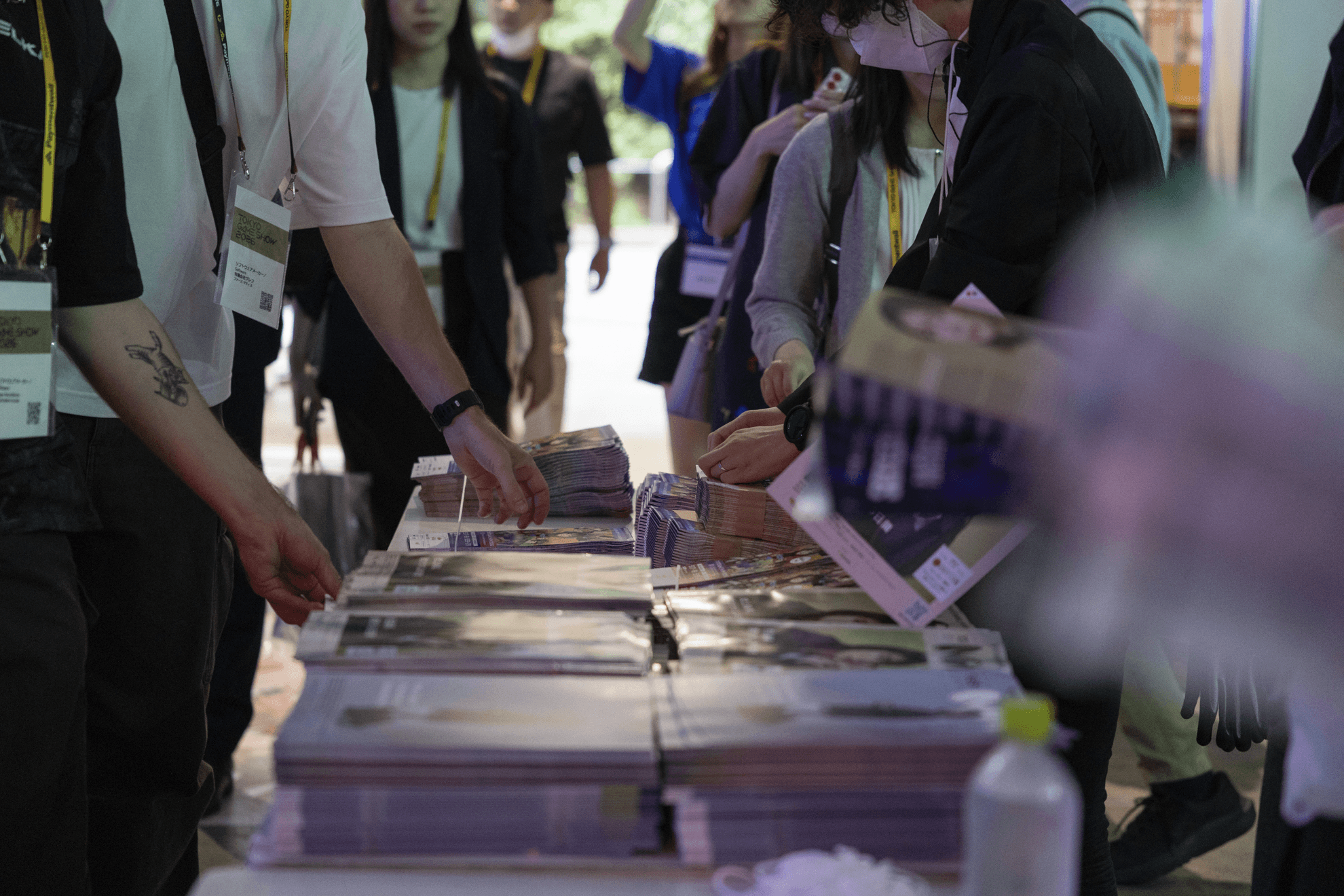
Walking the floor at this year's show, we could see how blurry the boundaries of the "game industry" have become. TGS used to be, at its core, a place where game companies revealed new titles and let people try them. That's still true. But this year, IP met games, semiconductors met games, film met games, all under the same roof.
A single title can now serve several purposes at once. It builds a continuous relationship with players. It reaches audiences worldwide. It lets people experience technology directly rather than read about it. That combination is exactly why companies with no history in gaming can no longer afford to ignore this market.
Turning 30, Tokyo Game Show 2026 was still a place to try the newest games. But it was also a mirror held up to a wider entertainment industry, one where different sectors increasingly meet through games. Going forward, following the game industry might mean paying less attention to which title comes out next, and more to which industry decides to connect with gaming after this one.