
Newsletter Signup
Join Our Community!
Stay updated with the latest news, exclusive insights, and more.
Stay updated with the latest news, exclusive insights, and more.
To see how we may use your information, take a look at our privacy policy.

%20(1).png)
Animals give us comfort and peace. Spending time with pets is known to have a positive effect on both our mind and body, and it adds color to our daily lives. When I stayed in Berlin, Germany, I was surprised to see many people riding trains with their dogs as if it were completely normal. In Japan, most train companies have strict rules for bringing pets on board, therefore it is rare to see people traveling with dogs or cats. Seeing even large dogs riding public transport with their owners made the cultural difference very clear.
Japan is sometimes called a “latecomer” in pet culture compared to Western countries, but in recent years, the pet-tech industry and the overall pet market have been growing quickly. In this series, Pets and Humans, I will explore pets and pet-tech in Japan, comparing them with trends overseas. First, let’s look at how people in Japan usually buy pets.
%20(1).png)
During the COVID-19 pandemic, many people in Japan began to look for emotional comfort and started keeping pets. To own a dog in Japan, owners must register it with the local government and give it a rabies vaccine every year. According to the Ministry of Health, Labour and Welfare, the number of registered dogs peaked in 2009 and has been decreasing since then. On the other hand, the number of cats has been rising, according to the Pet Food Association of Japan. Cats do not have a registration system, like dogs.
The most common way to get a dog or cat in Japan is through pet shops. These shops can be found in shopping malls and home centers. There are other options, such as buying directly from breeders or adopting from animal shelters and rescue groups, but these options are not as widely used as pet shops at this moment.
Most pet shops buy puppies and kittens from individual breeders through auctions and then sell them in stores. In many Western countries, it is normal to get pets directly from breeders, so people from abroad may feel uncomfortable when they see puppies and kittens displayed in glass cases in Japanese pet shops.
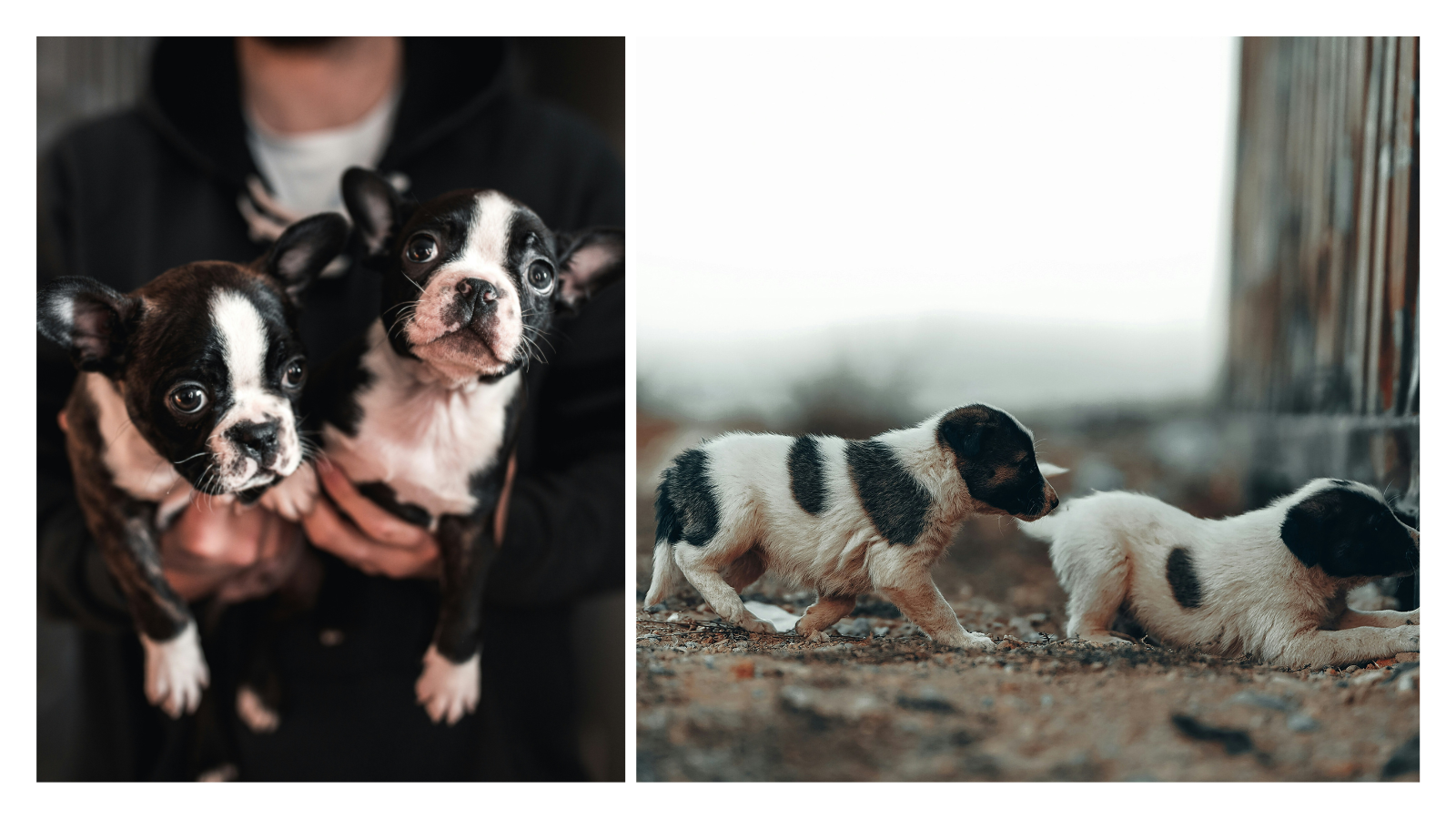
There are several reasons why buying directly from breeders is not widespread in Japan. Many consumers feel that pet shops are easier and safer, especially for first-time owners. They can compare animals in one place, and they do not have to worry about choosing a bad breeder.
However, there is a fact that some people question the practice of displaying young animals in shop windows. During the pandemic pet boom, some animals were later abandoned, and this raised concerns about how easily pets can be purchased at pet shops.
In some regions of the United States, as well as in the United Kingdom, Germany, Australia, and New Zealand, selling live animals in pet shops is banned or restricted. However, the laws differ from country to country, and region to region.
%20(1).png)
Japan’s first animal-related law was created in 1973 and was called the “Law for the Protection and Control of Animals.” In 1999, it was revised and renamed the “Act on Welfare and Management of Animals,” shifting the focus from simple “protection” to “welfare.” The revision also strengthened rules for animal businesses and introduced penalties for violations.
Further revisions were made in 2005, 2012, and 2019. These updates improved government oversight, tightened regulations on animal businesses, added disaster-related measures, and made microchips mandatory for dogs and cats sold by breeders and shops. Microchipping is also becoming common in other countries.
The 2019 revision introduced a rule that, in principle, puppies and kittens younger than 56 days (8 weeks) cannot be sold or displayed, with a few exceptions. Separating young animals from their mothers too early can harm their health or social behavior in the future.
However, a recent investigation by the Ministry of the Environment and local governments found possible cases of falsified birth dates in pet auctions. This suggests that some sellers may be putting profits first, making the trade less transparent.
Because of these problems, more people in Japan are calling for stronger rules on selling live animals, similar to those in U.S. and Europe. If these voices grow more, the pet industry and the way people obtain pets in Japan may gradually change.





.png)