
Newsletter Signup
Join Our Community!
Stay updated with the latest news, exclusive insights, and more.
Stay updated with the latest news, exclusive insights, and more.
To see how we may use your information, take a look at our privacy policy.

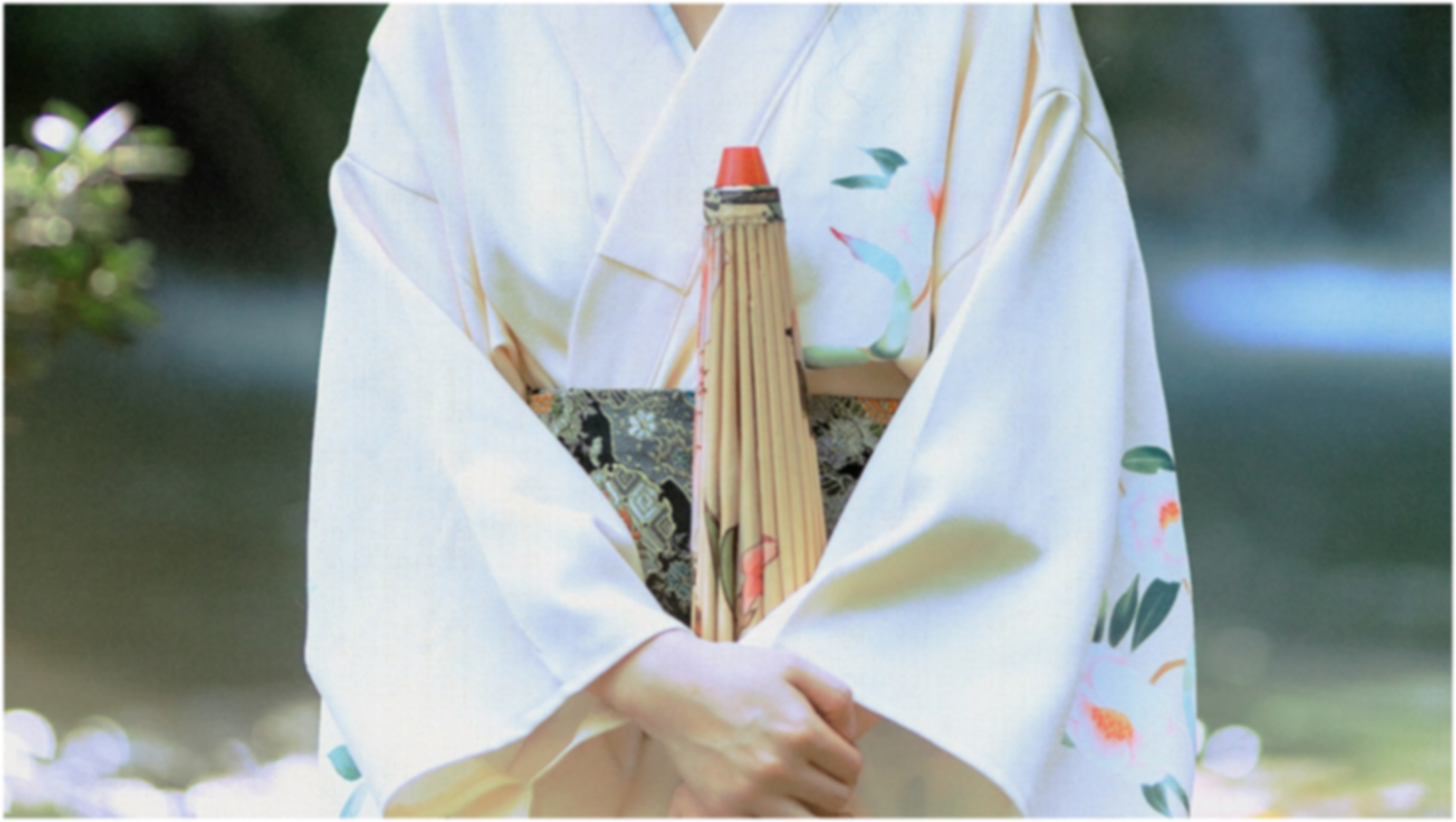
There's a garment sitting in closets across Japan right now—millions of them, actually—that was designed to last a hundred years. It's made from natural silk, hand-dyed with techniques passed down over centuries, and its basic design hasn't changed since the 1600s. It was made to be taken apart, resewn, handed down, and eventually repurposed into something else entirely when it finally wore out.
If some Silicon Valley startup pitched this concept today—a modular, century-lasting, fully recyclable, luxury garment—VCs would be throwing money at it. But this isn't a startup idea. It's the kimono. And the most fascinating thing about it is that Japan already had a circular fashion economy centuries before anyone coined the term "sustainable fashion."
Before we get into the kimono itself, we need to talk about mottainai, because without understanding this concept, the whole kimono-as-ecological-fashion story doesn't quite land.
Mottainai is one of those Japanese words that doesn't translate neatly into English. The closest attempt is "what a waste," but that misses the depth of what it actually means. The word is rooted in Buddhist and Shinto philosophy, and it carries a sense of spiritual regret; the feeling that you've disrespected the intrinsic dignity of an object by not using it to its full potential. It's not just about being thrifty. It's closer to the idea that every object has a kind of soul, and throwing it away prematurely is an offense against that soul.
During the Edo period (1603-1868), this wasn't just philosophy, it was how the entire economy worked. Broken umbrellas were sold to collectors who separated the bamboo frames from the oil paper, recycling both. Worn-out clothing was passed down through a hierarchy of uses: from a fine garment, to a child's clothing, to a cleaning cloth, to a fire starter. Nothing was wasted. And at the center of this circular economy sat the kimono.
A kimono's life cycle was extraordinary. A new silk kimono would be worn for formal occasions. As it aged, it would be resewn into everyday clothing. When it became too worn for that, it would be taken apart—the flat, straight-cut panels making this remarkably easy—and refashioned into bags, wrapping cloths, or children's clothes. When even that wasn't possible, the silk would be used for stuffing. The finest kimonos would be donated to temples, where they'd become altar cloths or ceremonial banners. From birth to temple, a single kimono might serve six or seven different purposes across multiple generations.
Now compare that to today's fast fashion industry, where roughly 92 million tons of textiles end up in landfills every year. That's the equivalent of a garbage truck full of clothes being dumped every single second. Suddenly, mottainai doesn't feel like ancient philosophy: it feels like an urgent instruction manual.

Here's the irony: despite being perhaps the most ecologically sound garment ever designed, the kimono is, in modern Japan, largely unused.
Contemporary Japanese generally only wear kimonos for milestone events, such as weddings, coming-of-age ceremonies, New Year's celebrations. Many brides now choose Western-style white gowns (sometimes pairing them with kimono during the celebration, in a characteristically Japanese both/and approach). The result is that recycling centers across Japan receive thousands of unwanted kimonos every single day, as families clear out closets and wardrobes inherited from parents and grandparents.
These aren't cheap fabrics. Many of these are genuine silk pieces, hand-dyed using techniques like yuzen (a centuries-old method of painting directly onto fabric), featuring nature motifs that represent some of the finest textile artistry in the world. And they're being thrown away.
The disconnect is almost poetic. Japan simultaneously has one of the world's most sophisticated concepts of not wasting things and a growing mountain of some of the world's most beautiful textiles sitting in storage or heading for disposal.
Something had to give. And increasingly, it is.
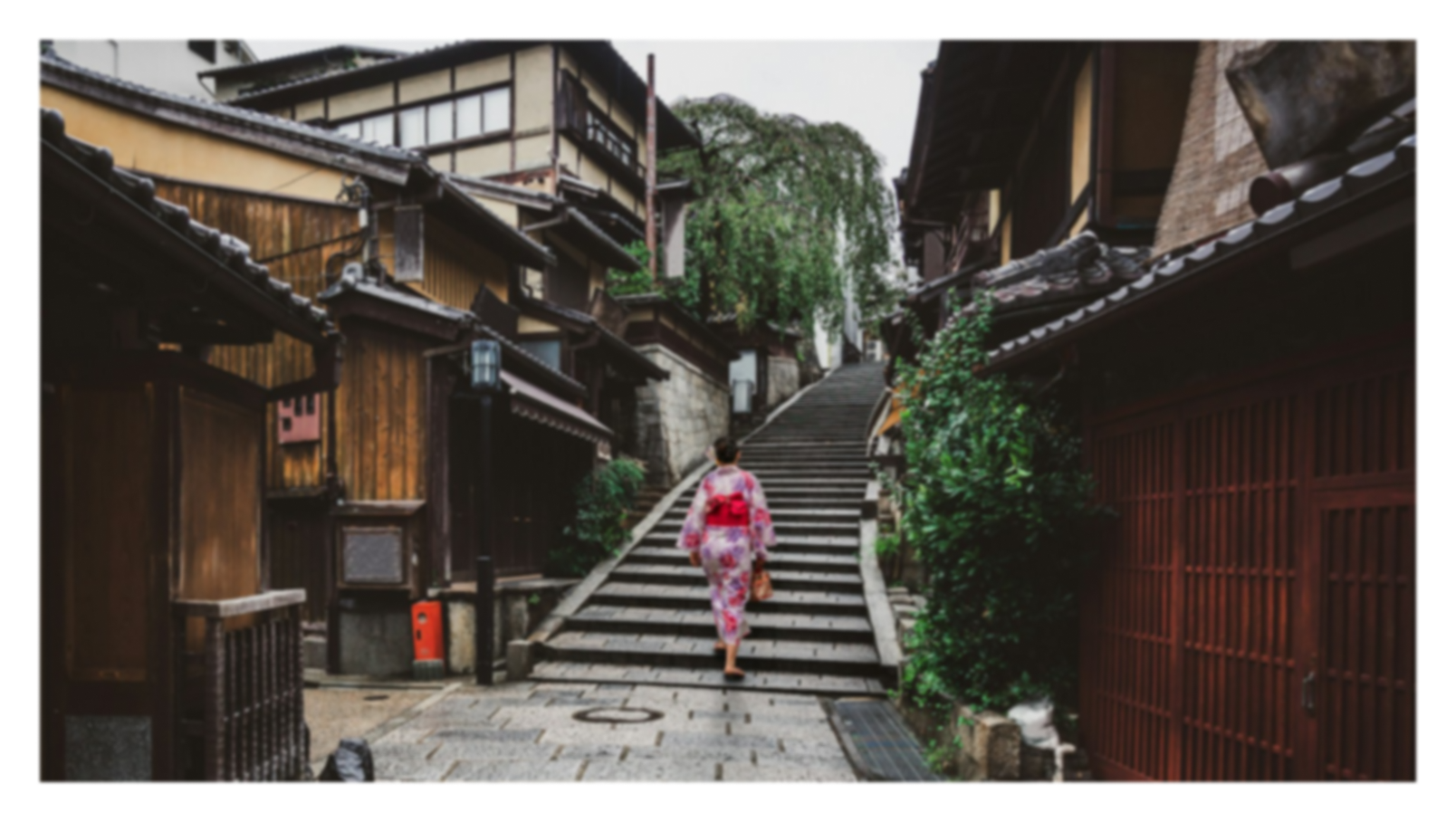
A growing wave of designers and entrepreneurs across Japan are now doing something about this… and they're not just recycling kimonos. They're creating entirely new fashion categories that bridge traditional Japanese aesthetics with modern wearability.
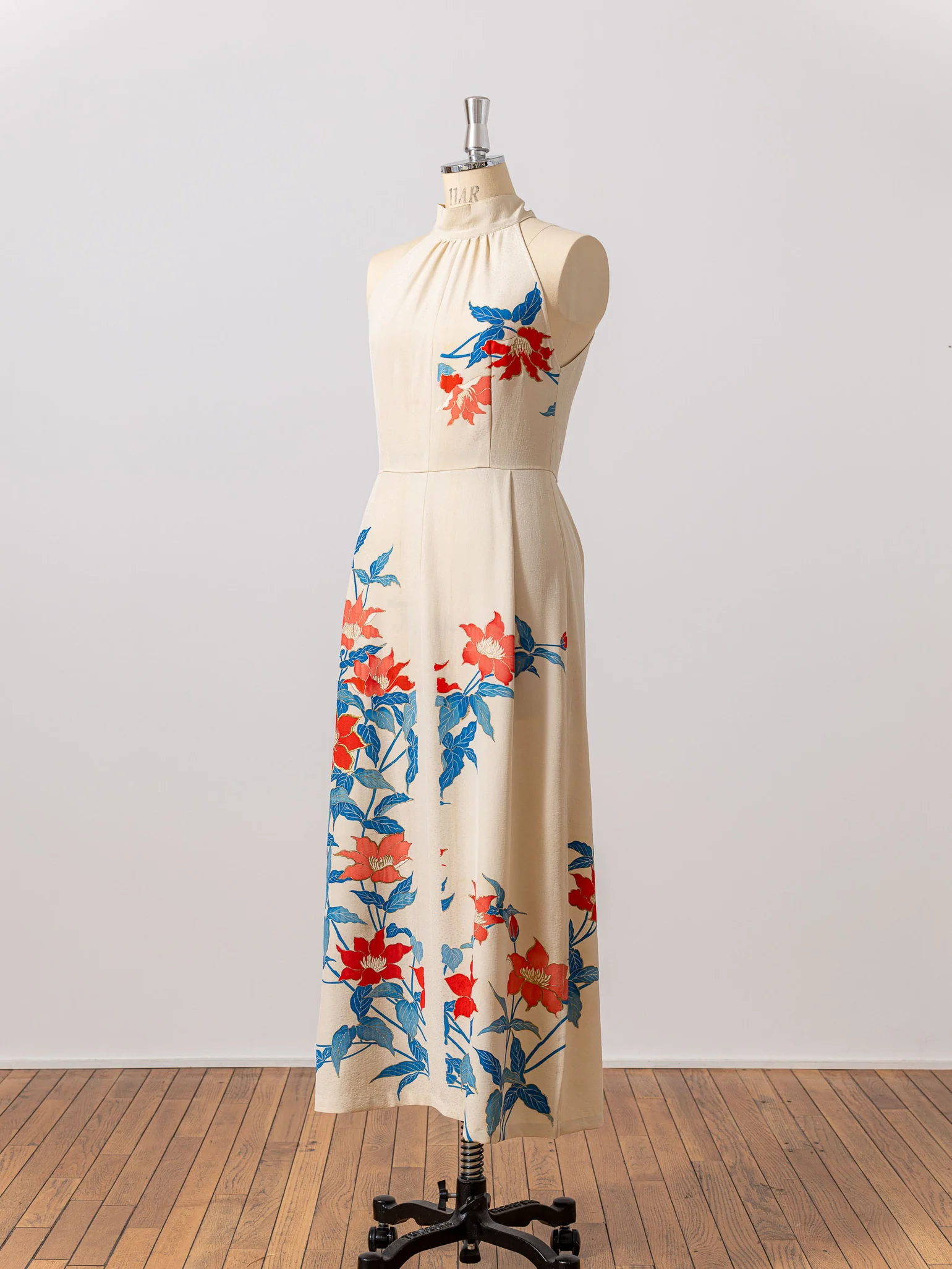
Among the most compelling of these is TSURUTO, a brand founded in 2015 by designer Tomoko Ohkata and creative director Koki Unami. What sets TSURUTO apart from many kimono-remake operations is their philosophy: this isn't about slapping kimono fabric onto a modern silhouette and calling it sustainable. It's about creating what they call kimonofuku ("kimono clothes") that genuinely belong in people's daily wardrobes.
TSURUTO operates primarily as a semi-custom service. Customers bring in their own kimonos, often inherited pieces with deep personal significance, and Ohkata designs a new garment tailored to the specific fabric's weight, texture, and pattern. A delicate formal silk might become a flowing dress; a sturdy tsumugi weave might become a structured jacket or coat. Each piece is designed to be worn and loved for another decade, at minimum.
The emotional dimension is key. One customer brought in her deceased mother's kimono and had it transformed into a dress she now wears to business meetings abroad. A 90-year-old mother saw her youthful kimono reborn as a dress for her daughter. These aren't just garments—they're family histories, walking around in new forms.
Ohkata's journey to kimono remake started with a background in environmental activism and ethical fashion. After years working with recycled accessories and social business models, she discovered in 2012 that kimonos were being discarded at alarming rates. The revelation that Japan's own culture already contained the answer to fast fashion's problems became the founding insight for TSURUTO: the concept was named after the crane (tsuru), symbolizing Japanese culture taking flight across the world.
To date, the brand has completed over 2,000 kimono remakes from their studio near Omotesando in Tokyo.
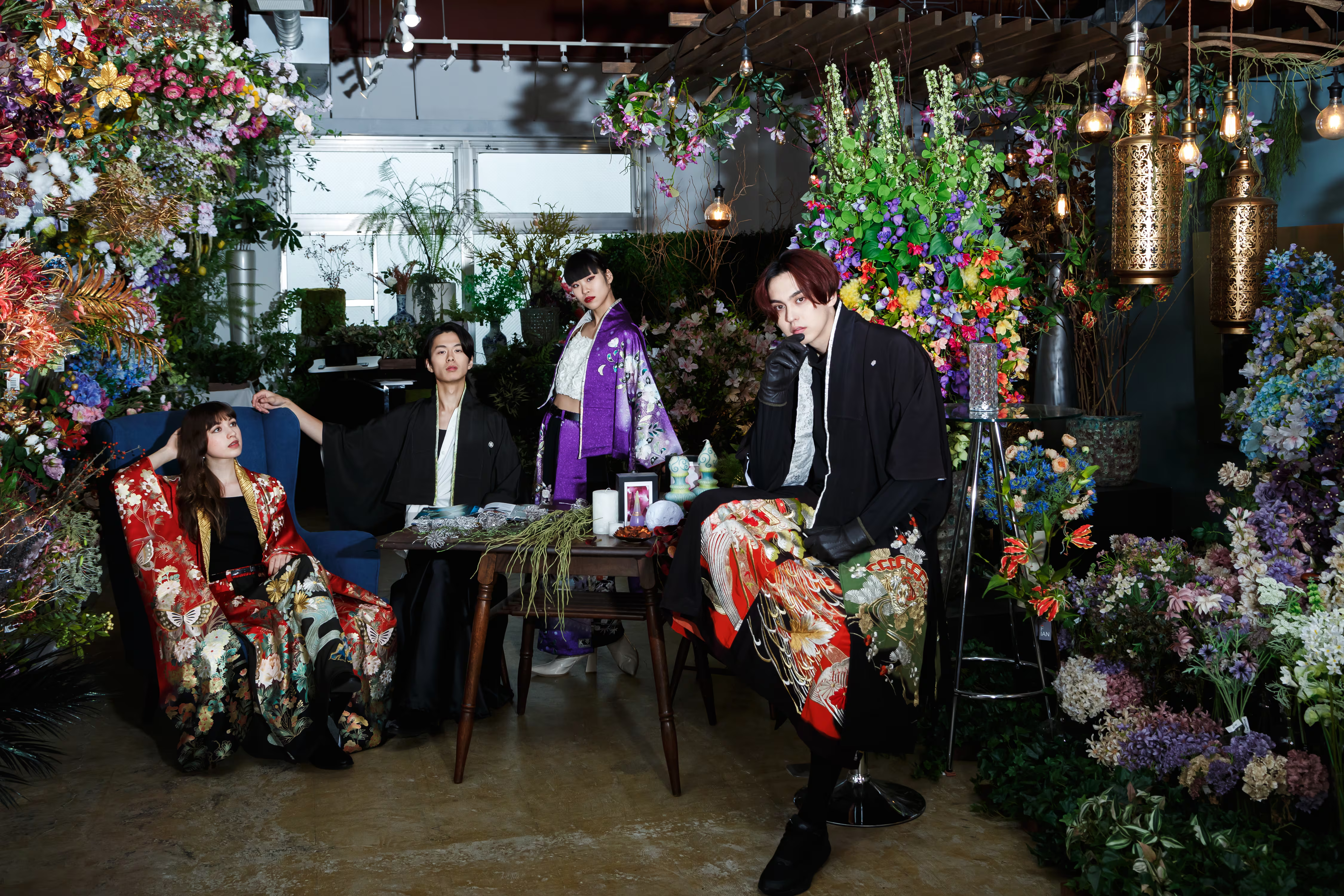
Mari Kubo's K'Forward specializes in transforming formal tomesode: striking black silk kimonos with vivid embroidered motifs along the hem, traditionally worn by married women at ceremonies. Kubo turns them into jackets that retain the kimono's dramatic long sleeves, with the intricate embroidery repositioned to the center back, then pairs them with matching skirts or pants made from a coordinating kimono. A furisode remake can run up to ¥160,000 (about $1,000), while tomesode pieces start at roughly ¥25,000 ($160), making them accessible as statement pieces rather than ceremony-only garments.
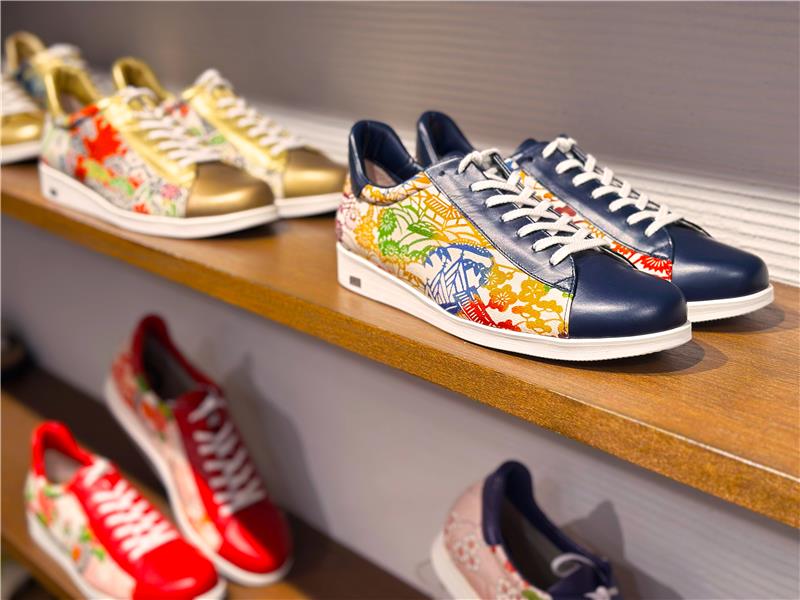
Perhaps the most unexpected entrant in the kimono remake space is Tokyo Kimono Shoes. Founder Shotaro Kawamura, who spent nine years in India and came to appreciate the declining "Made in Japan" brand from the outside, started combining genuine cowhide leather with upcycled kimono fabric to create one-of-a-kind sneakers. Operating from a shop in Asakusa (Tokyo's traditional craftsmanship district) the brand has seen sales quadruple since opening its physical store in 2023. Around 80% of customers are non-Japanese, with 40% coming from the United States. Each pair is handcrafted by local artisans, and here's the delightful detail: the left and right shoes never match exactly, because each uses a different section of kimono fabric.

If you're reading this from outside Japan (which, given that this is Blackbox, you probably are), the kimono remake movement offers some genuinely useful insights beyond "Japan does cool stuff with old clothes."
There's a business model lesson here. TSURUTO, K'Forward, and Tokyo Kimono Shoes aren't charity projects or museum exhibits. They're viable businesses that have found a profit hotspot between cultural preservation, sustainability, and genuine consumer demand. For anyone thinking about entering the Japanese market with a sustainability angle, this is the cultural context you need to understand: Japanese consumers don't need to be sold on sustainability. They grew up with mottainai. What they respond to is authenticity, craftsmanship, and emotional connection.


%20(1).png)

.png)
.png)


.png)