
TIB CATAPULT and Tokyo’s Railway Innovation Cluster

Urban Infrastructure Is Entering a New Phase
Cities around the world are witnessing a rapid transformation in the concept of mobility. With rising population density, increasing tourism, and mounting pressure to address climate change, urban transportation has become a more complex challenge than ever before. While new technologies and services—electric vehicles, autonomous driving, ride-sharing—continue to emerge, they alone cannot resolve the fundamental issues at hand. The real question is how to reinvent the social infrastructure that underpins transportation itself.
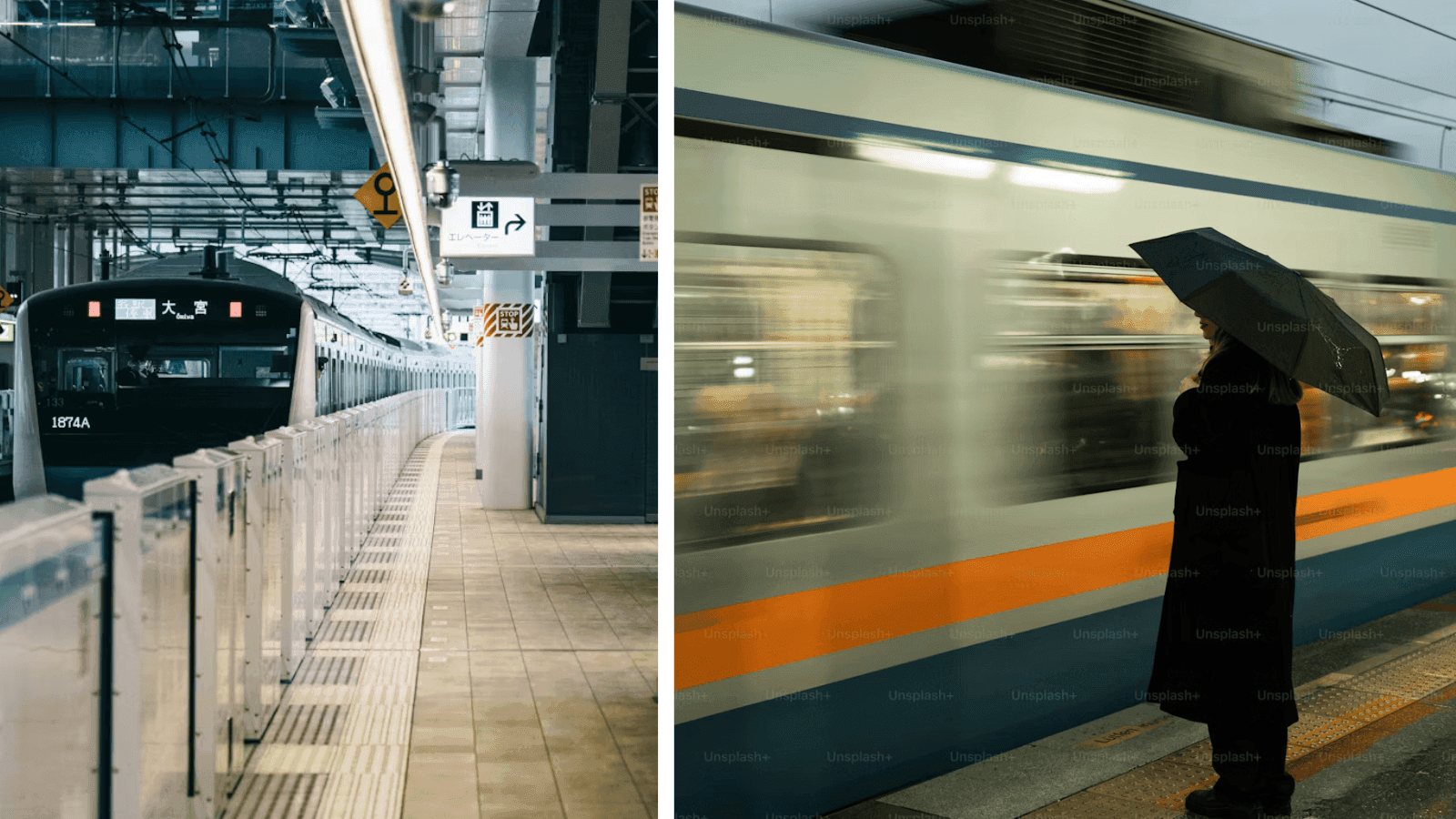
Japan brings a unique condition to this global challenge: one of the most intricate and high-quality railway systems in the world. In Tokyo and other major metropolitan areas, JR, private railways, and public transit operators work in seamless coordination, collectively moving millions of people every day. Tokyo alone has more than 770 train stations. The system’s precision is astonishing—Shinkansen trains, for example, maintain an average delay measured in mere seconds. This extraordinary reliability forms the backbone of daily life in Japanese cities.
Today, this railway infrastructure is gaining attention as a potential testing ground for startups. Its stable, highly predictable operations create an ideal environment for proving people-flow technologies and urban-scale data solutions; the lack of operational noise increases reproducibility for trials and commercialization. In this sense, railways are becoming a “moving experimental platform” that bridges social issues and technological innovation.

The Birth of TIB CATAPULT and Tokyo’s Railway Innovation Cluster
Against this backdrop, the Tokyo Metropolitan Government launched TIB CATAPULT in 2024.
The initiative forms clusters around specific industries and themes across the city, bringing together startups, corporations, and municipalities to create new value. Multiple clusters span fields such as railways, healthcare, and tourism.
Read more about TIB CATAPULT here.
Within this framework emerged the Tokyo Railway Innovation Partnership (TRIP), a cluster dedicated to the railway sector. TRIP connects railway operators, IT companies, and startups to co-develop new services and business models across Japan’s rail network.
Led by TIS as the organizing entity, the cluster includes major rail operators such as Odakyu Electric Railway, Keio, Keikyu, JR East Startup, Seibu, Tokyu, and Tokyo Metro. A structure in which multiple railway companies coordinate, share assets, and co-create with startups is rare even by global standards.
What sets TRIP apart is its perspective: railways are treated not merely as transportation systems but as urban assets; stations, networks, surrounding real estate, and data are all considered in the project’s aim to redesign cities with railways as the nucleus.
A Unique Culture Within Japan’s Railway Industry
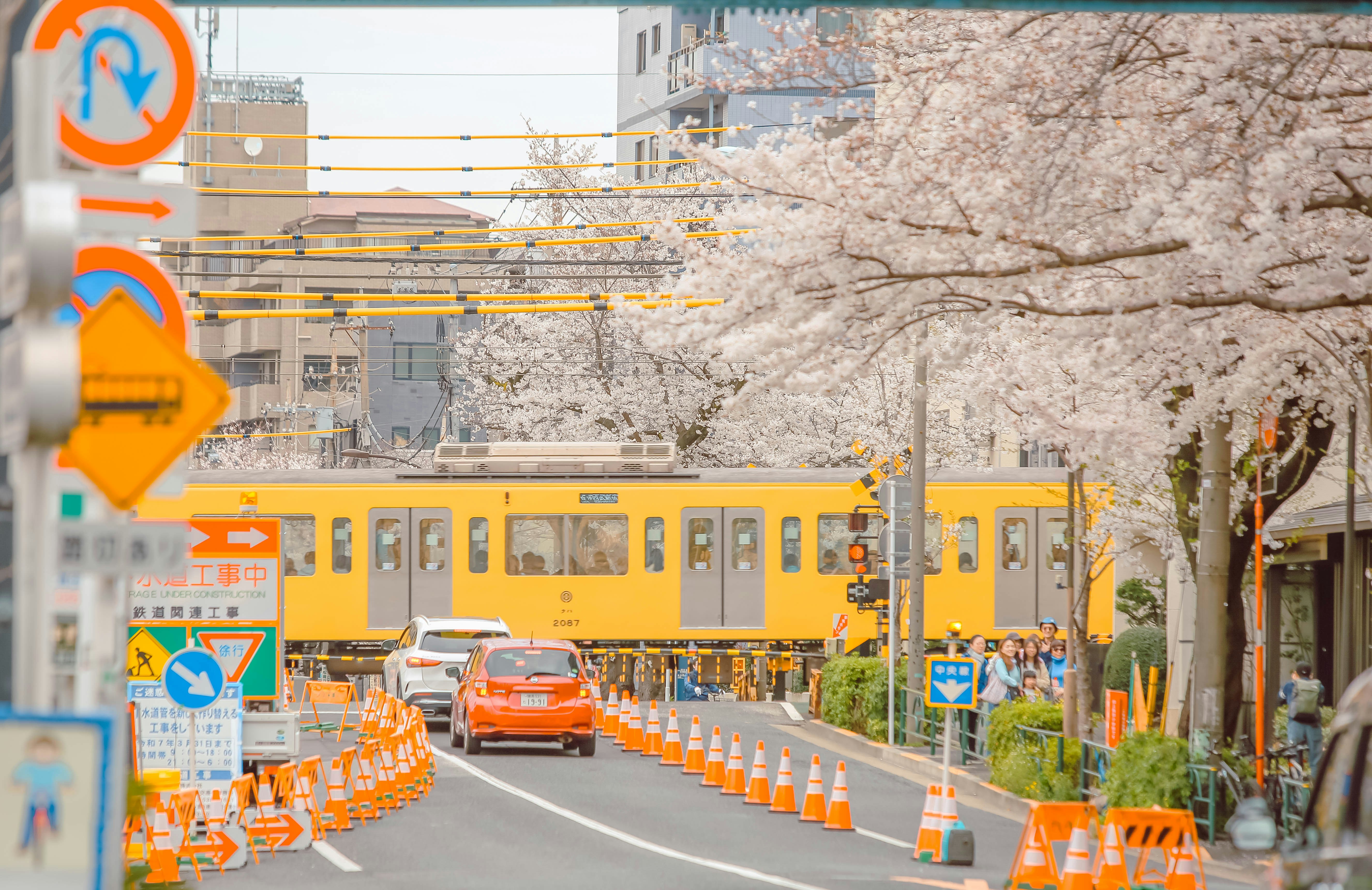
Japan’s railways are noteworthy not only for their technical excellence but also for their cultural and structural evolution. In many countries, railway companies compete independently, with fare systems and operational information changing from one operator to another. In Japan, however, multi-operator journeys are the norm, and the passenger’s end-to-end experience is prioritized.
As a result, a culture of “cooperation within competition” has taken root. Examples of this include mutual backup operations during disruptions, shared commuter passes, standardized station signage, and the unification of journey-planning apps. Railway operators consistently prioritize passenger convenience—even when it requires coordination that transcends individual corporate interests.
For startups, this cooperative culture is invaluable. A successful proof of concept with one operator often leads to smoother expansion across others, enabling accelerated scale-up.

Railway Assets and Startups
Railway assets in Japan offer both scale and multi-layered depth. Beyond tracks and rolling stock, stations host commercial facilities and advertising spaces; entire neighborhoods, business districts, and tourist sites unfold along the lines. Passenger-flow data reflects the city’s rhythm, offering insight into how the population actually lives and moves.
Startups entering this field can explore a wide range of themes:
– people-flow analytics and congestion forecasting
– tourism
– real estate
– digital signage and railway advertising
– renewable energy and decarbonization across networks
TRIP supports these cross-sector initiatives, enabling solutions that contribute to city-wide problem-solving.
Railway-based co-creation isn’t just about improving transportation—it holds the potential to reshape the entire structure of cities. How railway assets are used directly influences how cities grow and how daily life evolves. In that sense, partnering with railway operators means designing the future of urban living itself.
Seen through this lens, TRIP represents an ambitious experiment: an effort to connect transportation with urban planning, data with daily life, and public infrastructure with private innovation.
Japan’s railways have long been admired globally for their precision, reliability, and collaborative culture. The challenge now is to build new value on top of these strengths. TRIP embodies a distinctly Japanese approach—opening railway assets to society and collaborating with startups to design the future of urban living.