
Newsletter Signup
Join Our Community!
Stay updated with the latest news, exclusive insights, and more.
Stay updated with the latest news, exclusive insights, and more.
To see how we may use your information, take a look at our privacy policy.

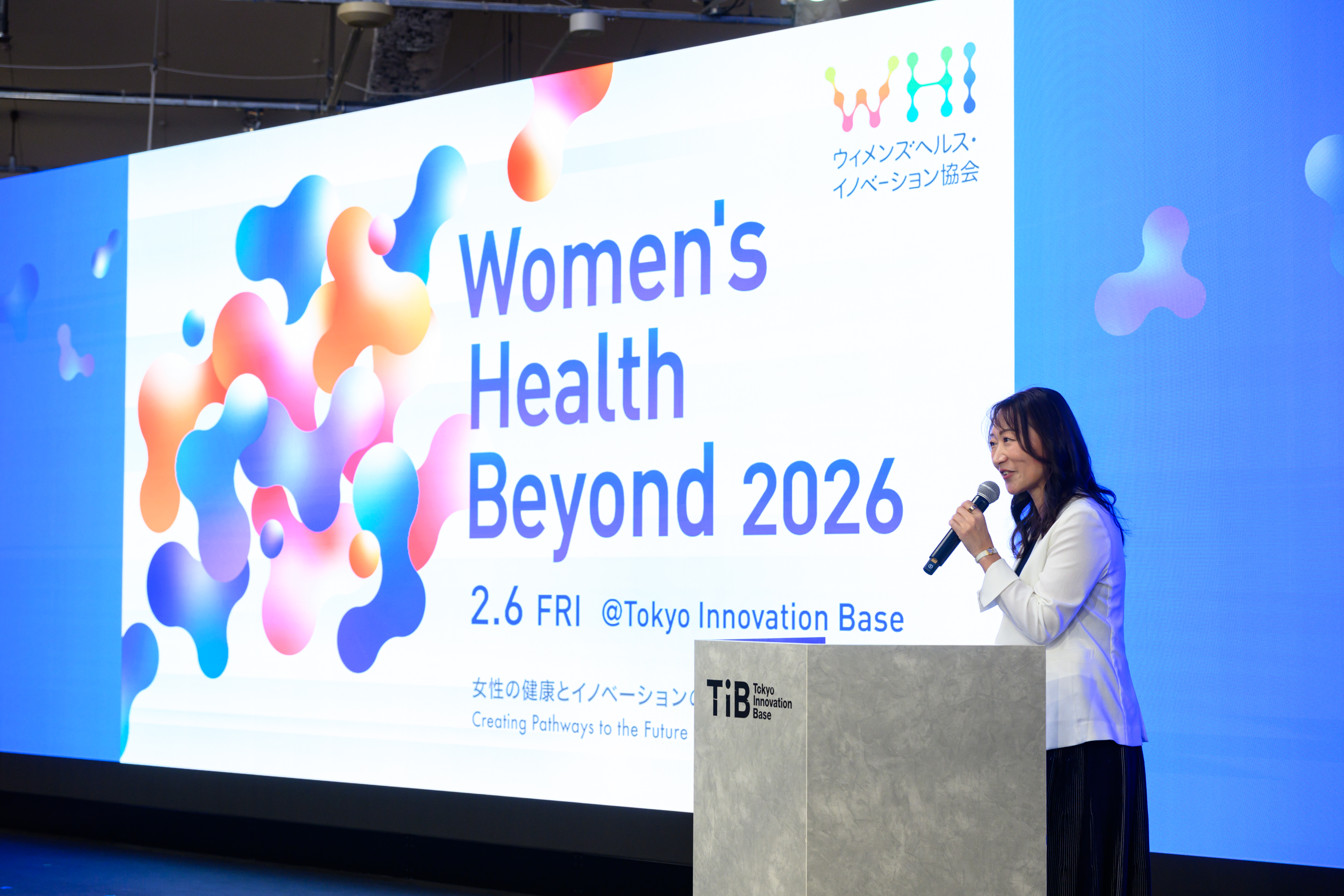
As Japan’s workforce shrinks, the people who are already part of it become even more important. Many people from outside Japan only notice the shrinking population, but they miss the real point: there is significant value in the workers already here.
At the Women’s Health Beyond 2026 conference held in Marunouchi, Tokyo, the discussion made one thing clear: women’s health is no longer being framed as a social issue. It is being treated as economic infrastructure.
According to Japan’s Ministry of Economy, Trade and Industry (METI), economic losses linked to menstrual symptoms, menopause, and gynecological conditions amount to approximately 3.4 trillion yen annually.
This is not just about absenteeism. A significant portion comes from presenteeism—employees who are physically present but unable to perform at full capacity.
What looks like an individual health issue is, at scale, a structural constraint on productivity.
For founders and investors, this is not just a cost. It is unrealized economic value.
A gap of this scale signals opportunity — but only if the market is designed to capture it.
Compared to the United States, where women’s health and Femtech have already seen multiple waves of investment, Japan remains early-stage.
Areas like fertility platforms, menopause technology, and continuous health monitoring are still underdeveloped domestically. But this is not a demand problem. It is a timing and infrastructure problem.
In this sense, Japan resembles a market just before acceleration.
The infrastructure exists. The urgency is visible. The competitive density remains limited.

Jill Angelo, Vice President at Oura Ring, described Japan as a structurally important market.
Her reasoning is straightforward:
In this context, maintaining workforce health is not optional. It is an economic strategy.
She emphasized the need to move from “snapshot medicine” to “time-series medicine.”
Japan already conducts annual health checkups. But these capture moments, not patterns.
Hormonal fluctuations, stress accumulation, early menopause signals, and sleep disruptions often remain invisible.
The opportunity is not just about collecting data. It is connecting it over time.
Japan is often praised for its strong healthcare system and preventive checkup culture.
Yet this strength also creates a constraint.
Data is abundant — but fragmented.
Medical records sit in hospitals. Insurance data lives in separate systems. Daily health behavior is tracked elsewhere.
The challenge is no longer awareness. It is integration.
Startups are not replacing healthcare systems. They are building connective layers between daily life, employers, and institutional medicine.
This is not a disruption. It is alignment.
For international founders, one insight stood out clearly: Japan may favor B2B2E models over direct-to-consumer approaches.
Individual spending on preventive health remains cautious.
But corporate alignment is strong.
Under METI’s Health & Productivity Management framework, companies increasingly treat employee health as strategic capital.
What was once categorized as employee welfare is now discussed in terms of:
In Japan’s system:
The key question for startups shifts:
Can your solution integrate into corporate systems?
Can it align with insurance frameworks?
Can it be justified economically, not just socially?
In Japan, the answer is increasingly yes—if designed correctly.
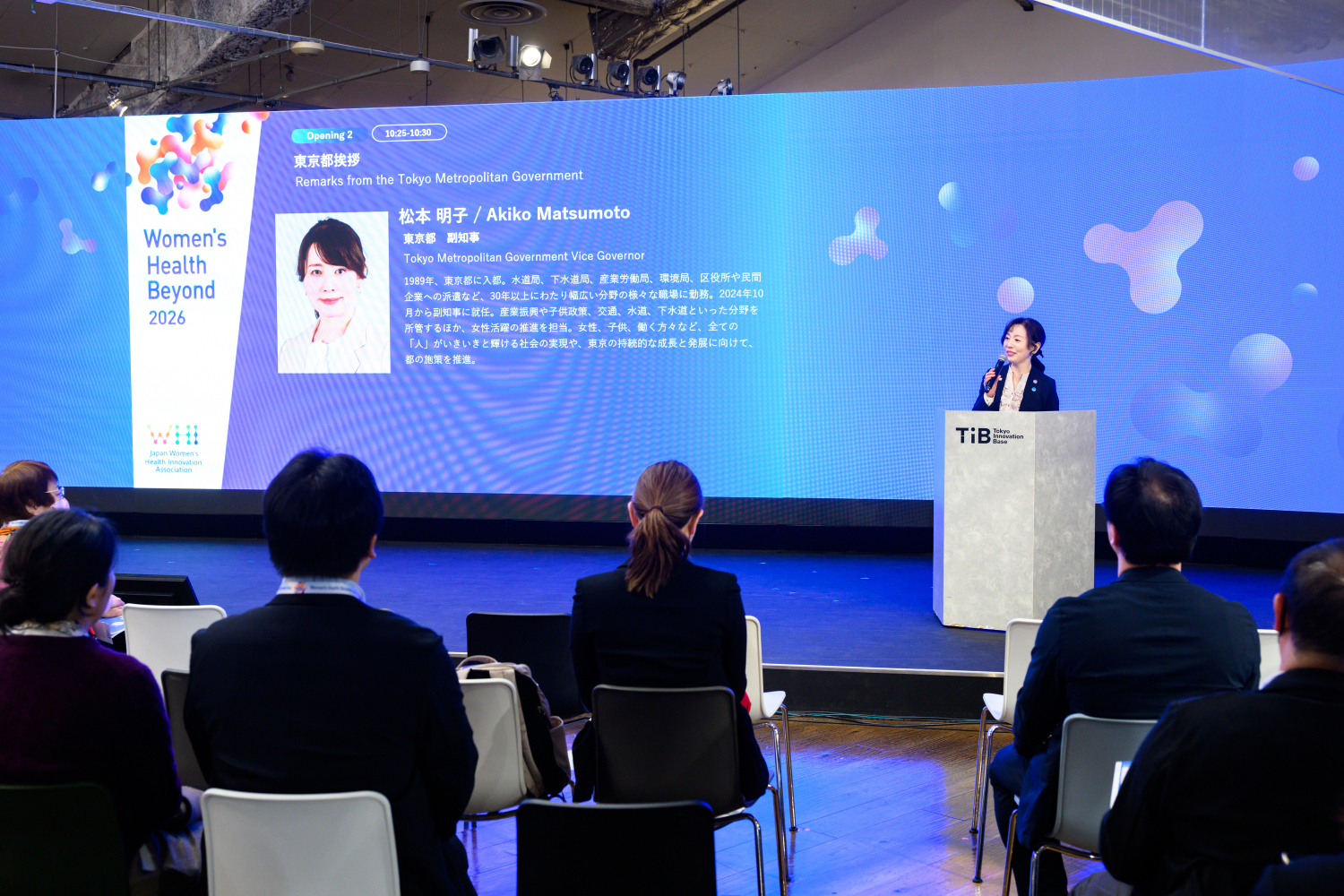
Another element discussed at the conference was Japan’s personal health record (PHR) infrastructure — a system that enables individuals to manage and utilize their own health and medical data.
If corporate health check data, electronic medical records, and wearable-generated lifestyle data become interoperable, Japan could develop one of the most structured longitudinal health datasets globally.
Such integration would enable predictive menopause modeling, fertility success analytics, early cardiovascular risk detection, and insurance-linked preventive programs tailored specifically for women.
The opportunity is not explosive consumer hype. It is systematic, layered ecosystem development.
Japan does not typically reward speed over structure. It rewards compliance, institutional cooperation, and operational credibility. Startups must navigate medical partnerships, executive education, procurement processes, and regulatory nuance.
Yet these very barriers create defensibility.
Globally, investment in women’s health is accelerating across AI diagnostics, digital therapeutics, and the convergence of Femtech and biotech. Japan, however, remains measured.
Demand is clear.
Institutions are aligned.
Corporate channels exist.
Competition is still moderate.
This configuration suggests a market standing just before its inflection point.
Women’s Health Beyond 2026 did not celebrate rapid disruption. It highlighted structural preparation.
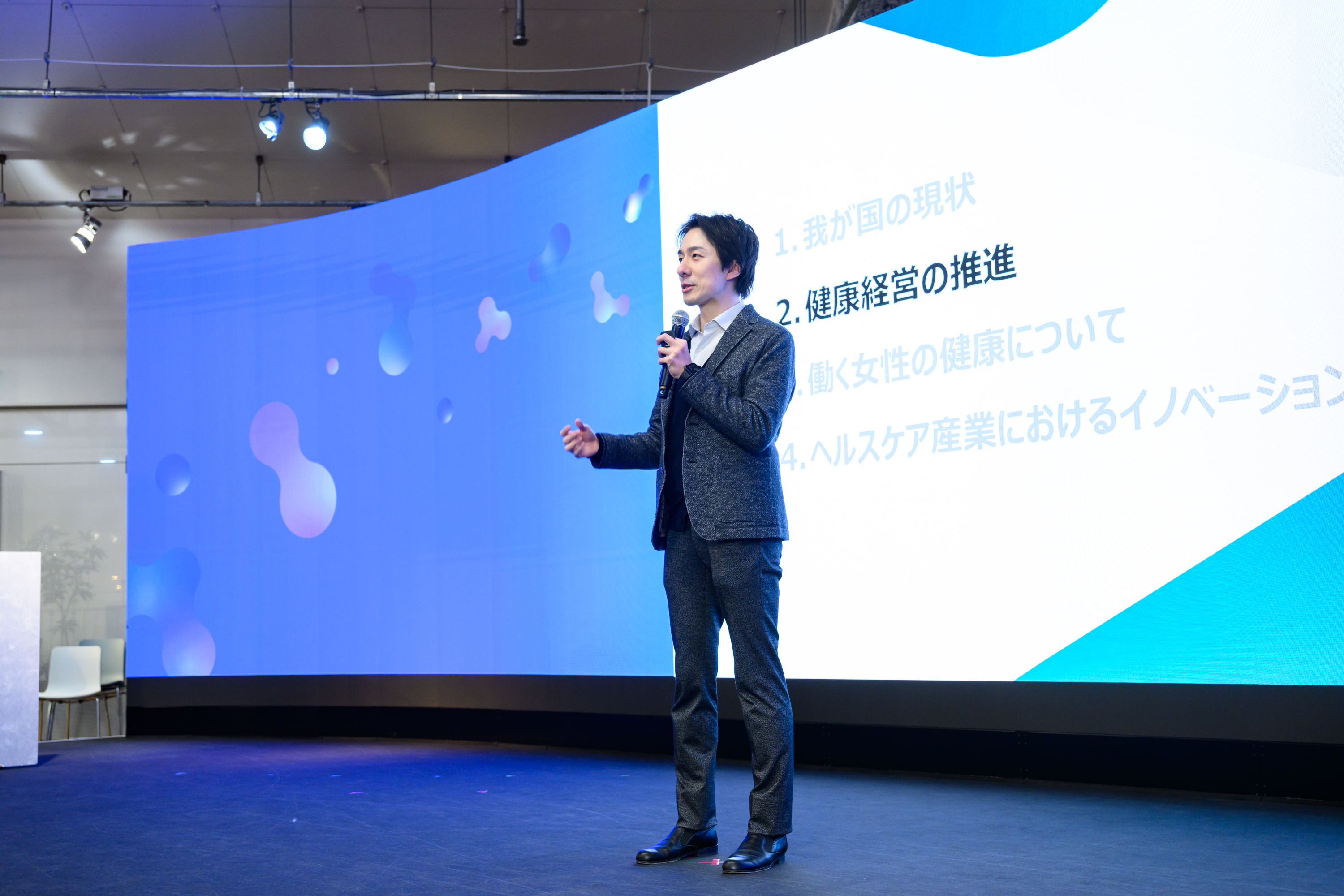
One of the most important signals from the conference was this:
Japan does not intend to simply import Femtech solutions.
It is actively working to design its own ecosystem.
Through:
Women’s health is no longer framed as CSR or diversity policy.
It is:
The question for global founders is simple:
Is Japan’s women’s health market small?
Or has it simply not been deliberately built yet?
Women’s Health Beyond 2026 suggests the latter.
The design phase has already begun.


%20(1)%EF%BC%88%E5%A4%A7%EF%BC%89.png)
.jpg)


.png)