
Climate change, energy, and Japan’s GX & fusion startups, part 2: the modern era

In the previous article (Part 1), we looked at Japan’s modern energy history from the Meiji era up to WWII. In this installment, we turn to the postwar era and the dramatic “Energy Revolution” that reshaped Japan’s economy and society.
.png)
From Coal to Oil: Japan’s Postwar Energy Shift
After the war, the Supreme Commander for the Allied Powers (GHQ) prioritized coal production to fuel reconstruction. This policy led to a rapid increase in coal output, which became the backbone of early postwar recovery.
However, from the 1960s, rising mining costs and falling oil prices undermined coal’s competitiveness. The Japanese government ultimately decided to pivot from coal to oil as the nation’s primary energy source.
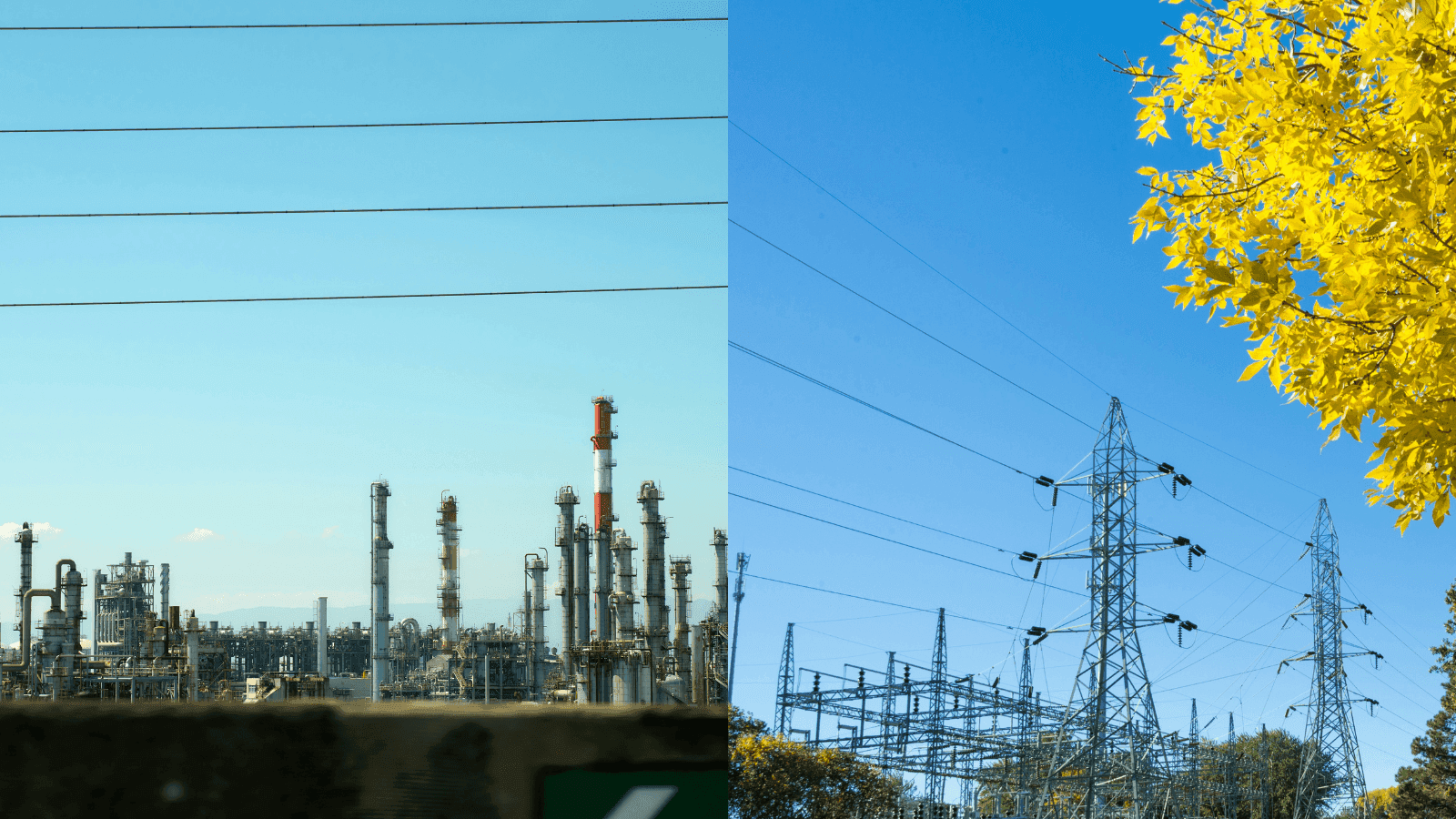
Oil, with its lower cost, reliability, and versatility, became the foundation of Japan’s energy policy. The government also encouraged a structural shift from light industry to heavy chemical industry, and along Japan’s Pacific coast, massive “oil complexes” were built to maximize efficiency by integrating oil refining with petrochemicals.
The Korean War (1950–53) and the following economic boom triggered Japan’s “high-growth era” (1955–1970), during which the economy expanded by a factor of 4.4. Rising household incomes fueled consumer demand, first for the so-called “Three Sacred Treasures” (TV, refrigerator, washing machine), and later for the “3Cs” (Car, air Conditioner, Color TV).
To meet surging electricity demand, Japan rapidly expanded power plants. While coal had once been the main fuel, oil now dominated.
Meanwhile, Japan’s electricity sector was reorganized. After wartime state control ended in the 1950s, nine private regional monopolies (later ten, with Okinawa) were established. For over six decades, until March 2016, Japanese consumers had no choice of electricity provider, as the regional monopoly system persisted.
.png)
Oil Shocks and the Pursuit of Energy Security
The First Oil Shock (1973–74), triggered by the Yom Kippur War, hit oil-dependent Japan especially hard. Surging oil prices led to inflation across energy-related goods, and in 1974, Japan recorded its first postwar year of negative GDP growth.
The Second Oil Shock (1978–82) had less disruptive effects, thanks to policy reforms and improved energy efficiency. Still, these crises cemented energy security as a top national priority. Japan adopted a three-pronged strategy: securing stable oil supplies, improving energy efficiency, and diversifying away from oil dependence.
Government-led R&D programs like the Sunshine Project (1974) and Moonlight Project (1978) promoted renewable and alternative energy sources, including solar, geothermal, hydrogen, and biomass. By the 1980s, Japan had achieved one of the world’s highest levels of energy efficiency.
.png)
Nuclear, Gas, and the Diversification of Energy
Two other major developments defined Japan’s postwar energy landscape: nuclear power and natural gas.
Although the U.S. and Soviet Union were ahead, Japan began laying the legal and institutional groundwork for nuclear energy in the mid-1950s. In 1966, the Tokai Power Station became Japan’s first commercial nuclear reactor. Nuclear power expanded steadily thereafter, along with experimental fast breeder reactors aimed at recycling spent fuel.
LPG also grew rapidly in areas where city gas pipelines were unavailable. Its portability, ease of use, and high energy content made it attractive for households.
Natural gas emerged later as a substitute fuel for city gas. In 1969, the first LNG tanker from Alaska came to Japan, marking the start of LNG imports. With Japan’s gas prices among the world’s highest, liberalization followed: from 1995 to 2017, the city gas market was gradually opened to competition. Along with electricity deregulation, this paved the way for new entrants, including international players like Octopus Energy (UK).
In the next article, we will see the progress of “Carbon Neutrality by 2050” so far and highlight emerging Japanese GX (Green Transformation) companies.