
Inside Japan's Agritech Boom: The Startups Transforming Farming

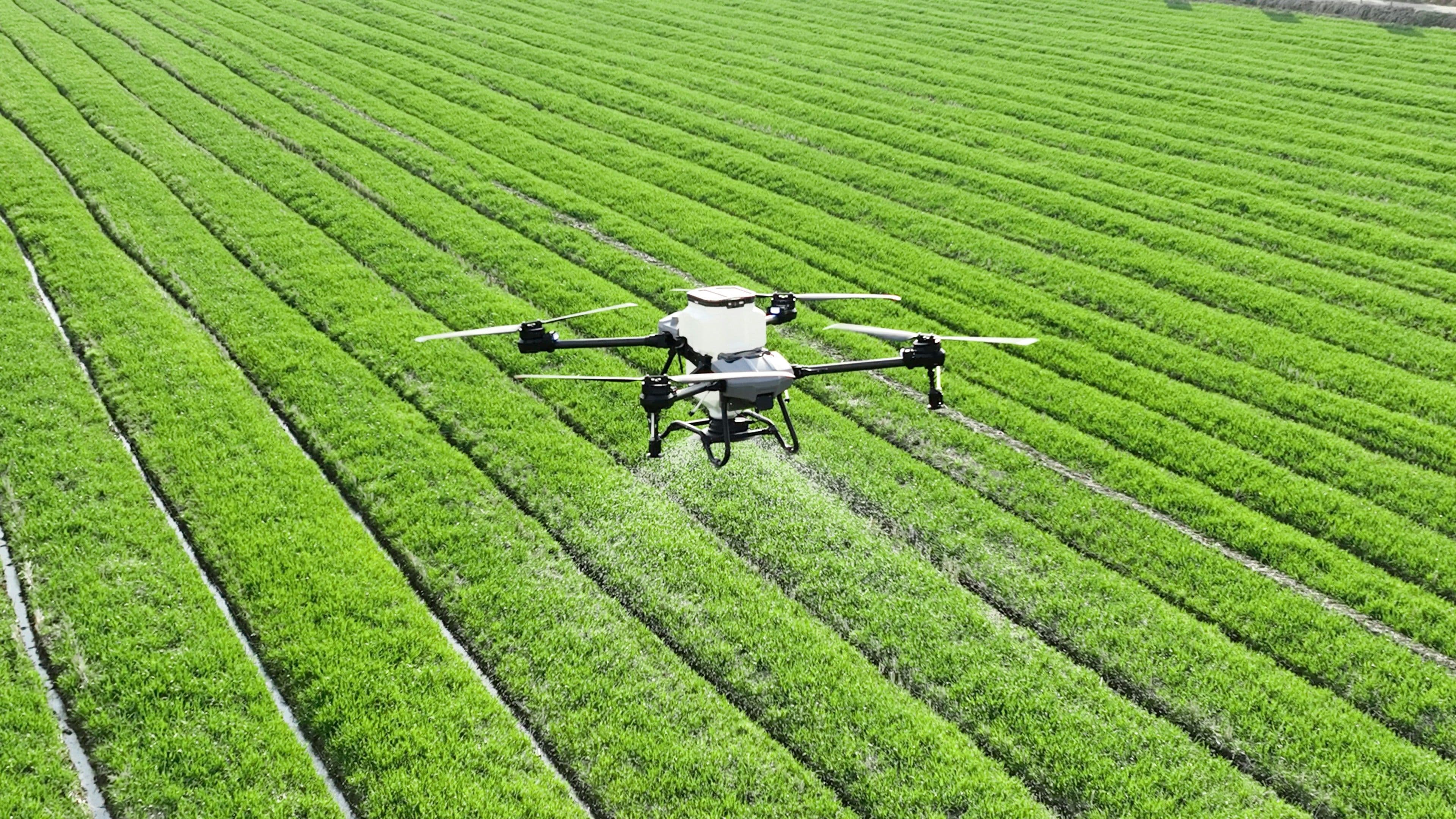
The Japanese government is betting big on agritech. Amid a drive for sustainability and carbon neutrality, the 2024 Act on Promoting the Utilization of Smart Agricultural Technology earmarked funding and support for improving productivity and sustainability and reducing costs across this rapidly growing sector. Even before this legislation was announced, Japan was already making progress on a number of agritech fronts including AI, sensors, indoor farming, robotics and agricultural support services. This article will examine some of the success stories already emerging from this drive for agritech expansion and highlight areas of opportunity — as well as some potential challenges — for agritech start-ups considering putting down roots in Japan.
Agricultural Robotics
Japan’s reputation as a trailblazer in robotics no doubt precedes it, and it should come as no surprise that startups and major players alike are striving to apply their expertise in this field to agriculture. Autonomous tractors, robots for harvesting, spraying and weeding, as well as drones and other automated machinery are fast becoming necessary tools in the modern farmer’s kit.
Agtonomy
U.S.-based startup Agtonomy recently secured a partnership with Osaka-based machinery heavyweight Kubota Corporation, following the success of joint projects beginning in 2024. Kubota debuted its M5 Narrow specialty harvesting model working under Agtonomy’s autonomous driving system at CES 2026, and used its network of dealerships across the western U.S. to facilitate an early rollout of the startup’s software services.

Legmin
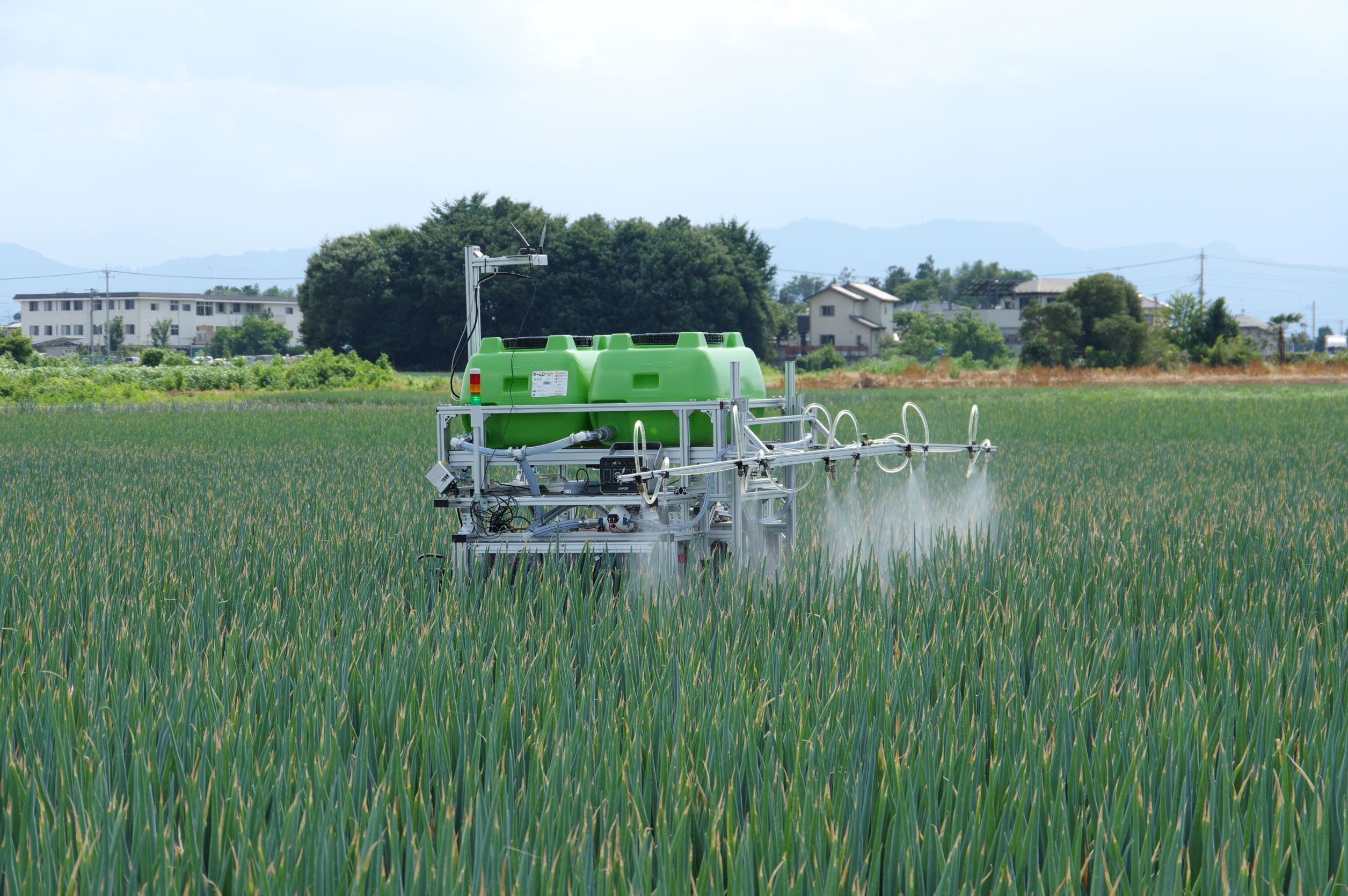
Based in Saitama, Legmin builds crop-spraying robots designed with Japan’s amateur farming community in mind. The robots are light-truck portable and remote-operated, while the onboard software is license-free, making them particularly attractive for Japan’s burgeoning amateur farming community. Out in the field, Legmin’s patented self-driving tech uses the robot’s onboard LiDAR sensors to ensure stable driving and even payload coverage.
AI Support Software
Naturally, AI has a huge part to play in agritech, and many Japanese startups are choosing this as their angle of attack, developing sensing and support software to provide farmers with instant access to vital information.
Eco-Pork
One example is Eco-Pork, whose cloud-based, AI-powered sensors and support software provide pig farmers with a suite of tools for visualizing and enhancing productivity and sustainability, using data gleaned from smart cameras in the livestock’s living spaces.
AGRIST
AGRIST, an Osaka-based startup, offers an AI suite that couples yield-prediction and robotic harvest-assistance software with market forecasting to maximize profitability and mitigate risk. In September 2026, the company was certified for the Ministry of Agriculture, Forestry and Fisheries (MAFF)’s Development Supply Implementation Plan, enabling it to receive support under the 2024 Act on Promoting the Utilization of Smart Agricultural Technology.
Vertical & Indoor Farming
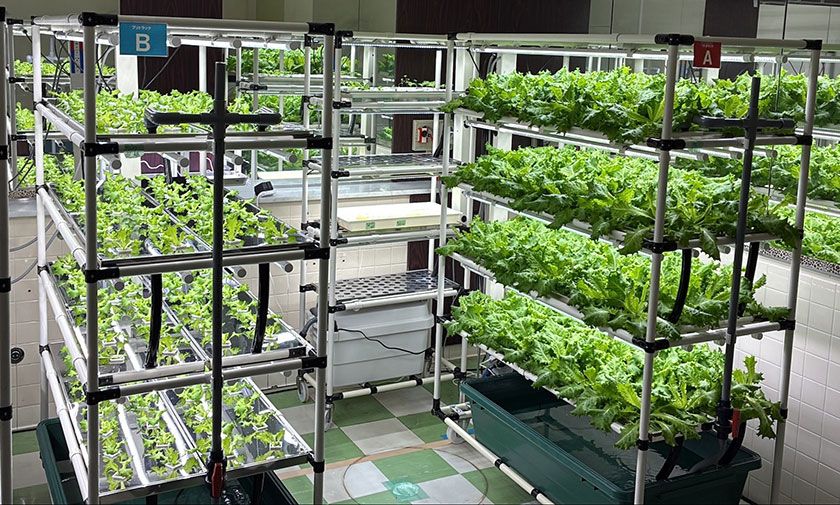
Vertical and indoor farming constitute one of the most promising frontiers in agritech, and Japan is once again at the forefront of development. Due to its increasing urbanization and shrinking population, Japan stands to gain more than many countries from an increase in the viability of these techniques. Naturally, startup activity has been particularly busy in this area.
Oishii
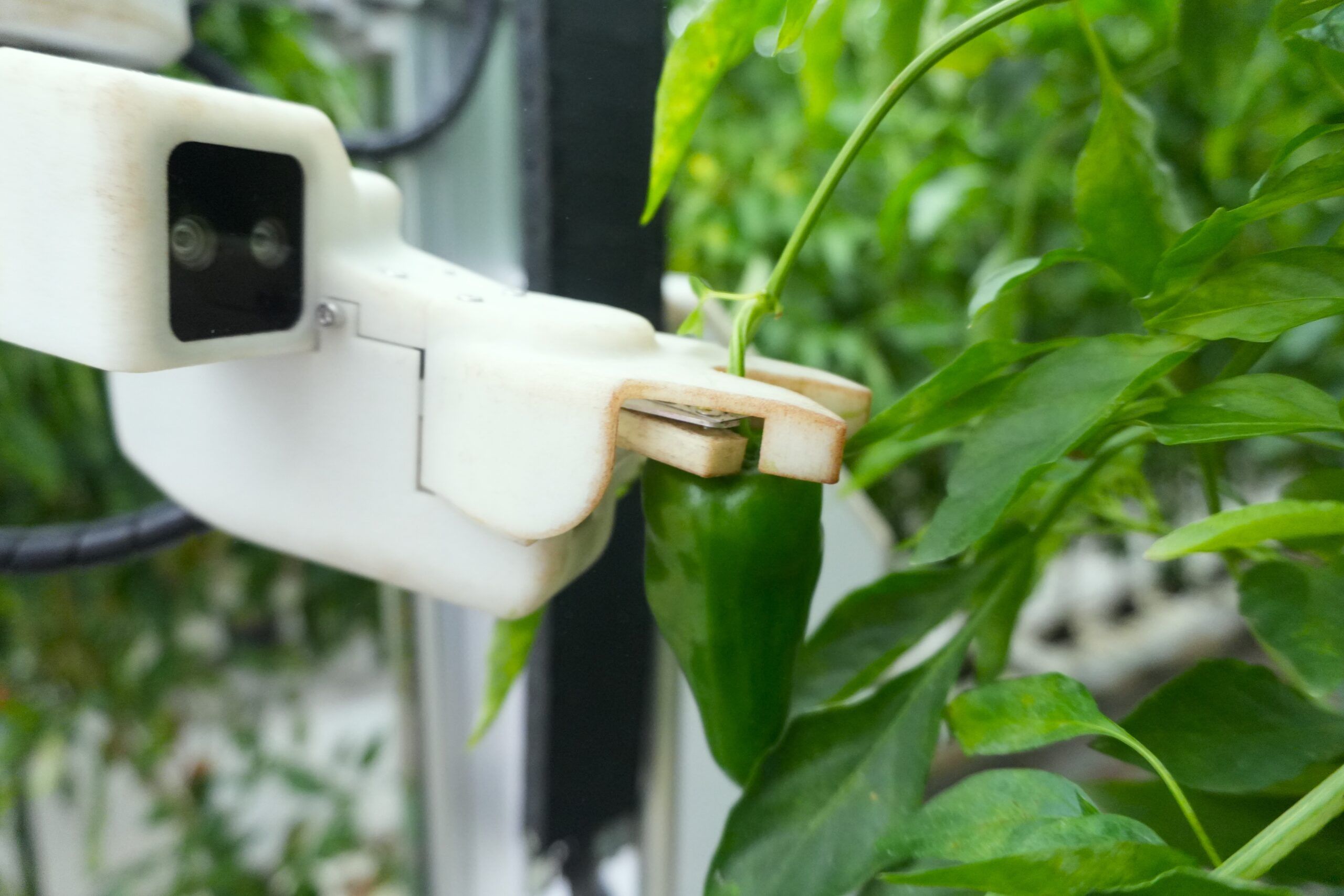
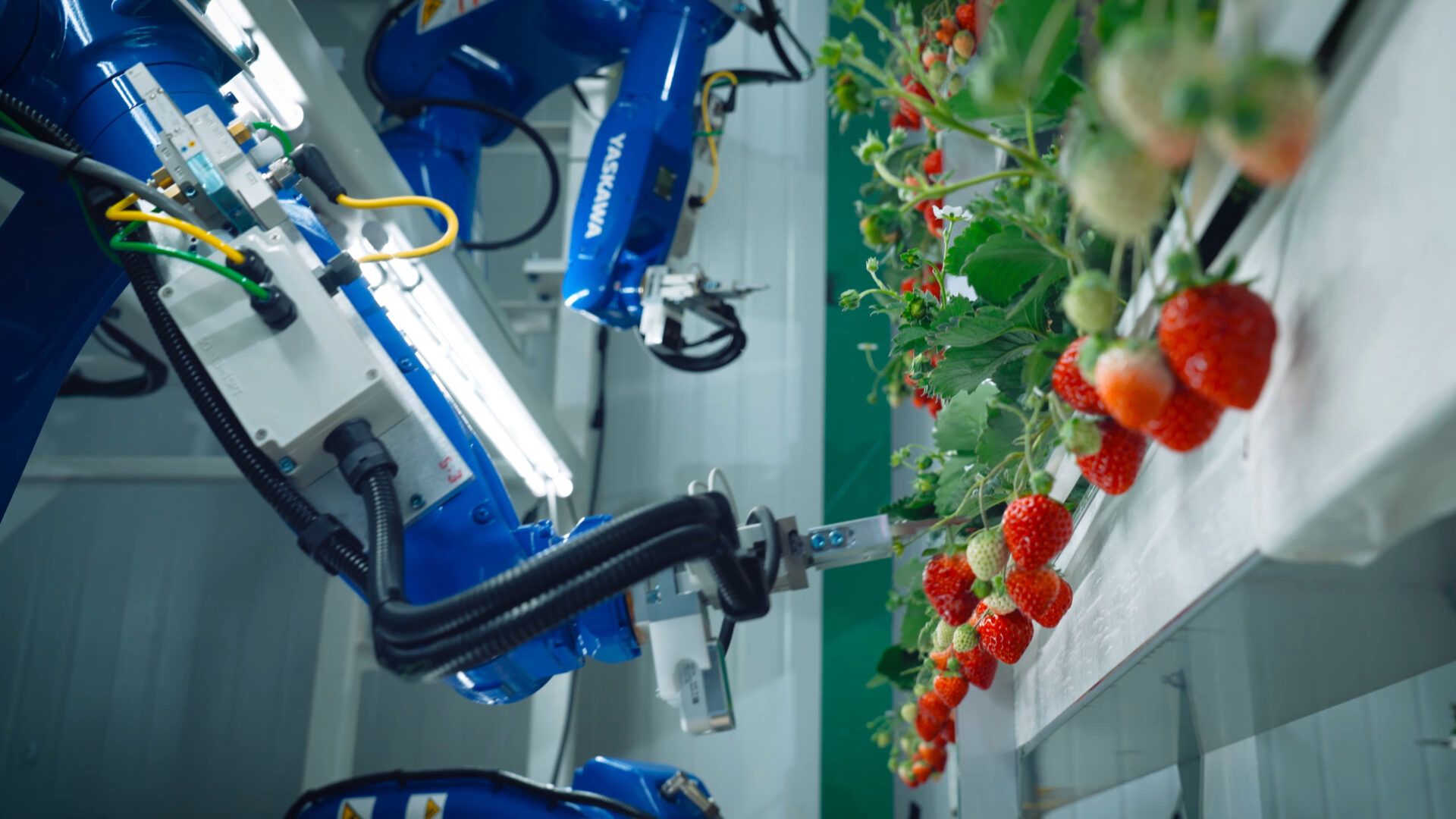
Oishii (the Japanese word for ‘delicious’) is a standout success in this area, with its vertical strawberry farms already producing fruit of stunning quality. Robots analyze and harvest the fruit, while the farms’ innovative water-purification systems allow the majority of the water used in growing to be recycled. A major expansion in 2024 saw the firm opening its largest farm yet in Pennsylvania.
Plants Laboratory
Plants Laboratory Inc. is making waves in the indoor-farming sector with its artificial light enclosures. The company recently secured funding from agricultural investment co-operative Norinchukin Bank for a new model of local-scale indoor farms with a heavy design focus on employee accessibility, aiming to improve employment prospects for elderly and disabled workers in rural communities.
Challenges
Arguably the biggest stumbling block for startups and major players alike in agritech is the business model, with the question of who actually pays for modern farming tech becoming a hot-button issue in recent years. Farmers themselves buy the equipment, often with help from government subsidies, but with the rise of equipment-as-a-service, buying has gradually turned into renting. This issue is particularly thorny in Japan, where the new legislation explicitly promises financial support for both farmers and support-service providers. Despite the undeniable challenges, Japan provides the infrastructure and legislative backing that agritech startups need to hit the ground running.