Redefining luxury: three startups repricing Japanese culture

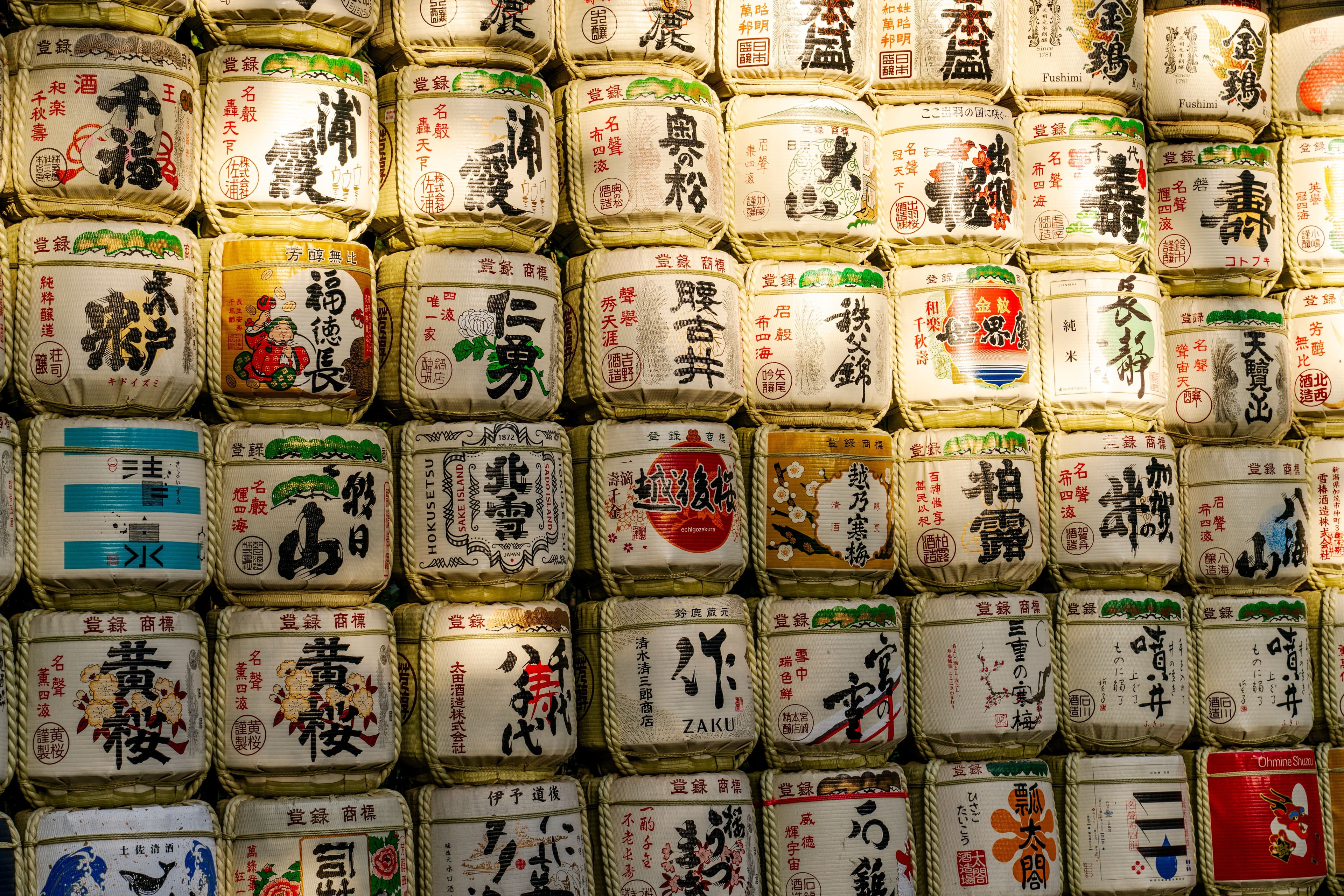
Sake. Fresh seafood. Traditional cultural experiences. All three get labeled "declining industries" almost reflexively. But look closely at Japanese startups working in these spaces, and something more specific—and more interesting—comes into focus. In case after case, there's a real gap between how much value people outside Japan place on these products and experiences, and how that value actually gets priced and presented by the companies selling them.
This isn't a quality problem. If anything, it's the opposite; few countries obsess over craft and quality the way Japan does. But mastering a craft and translating that mastery into a price and a story that an international customer immediately understands are two completely different skills. Many Japanese companies pour everything into the former and treat the latter as an afterthought. The result, again and again, is a product that could command a premium sitting at a commodity price instead.
None of the three example companies in this article reinvented the underlying product, so much as it re-translated value that already existed into pricing and presentation a wealthy international customer would immediately understand and pay for.
#### Why is a value-price gap the right starting point here?
Sake is the clearest example. Consumption has fallen more than 70 percent from its 1973 peak—on paper, a textbook declining industry. And yet in that same market, Clear has built an entire new tier of premium sake products from scratch, priced above ¥10,000 a bottle, where almost none existed before. That combination only makes sense one way: simply, nobody had offered a price that matched what the product was actually worth.
Regional food producers and tourism operators show a similar pattern. Even against a shrinking domestic population, international interest in Japanese food and experiences hasn't shrunk to match. What's been missing is pricing, packaging, and distribution built to meet that interest at a level the international customer understands.
How Daybreak is closing this gap for seafood
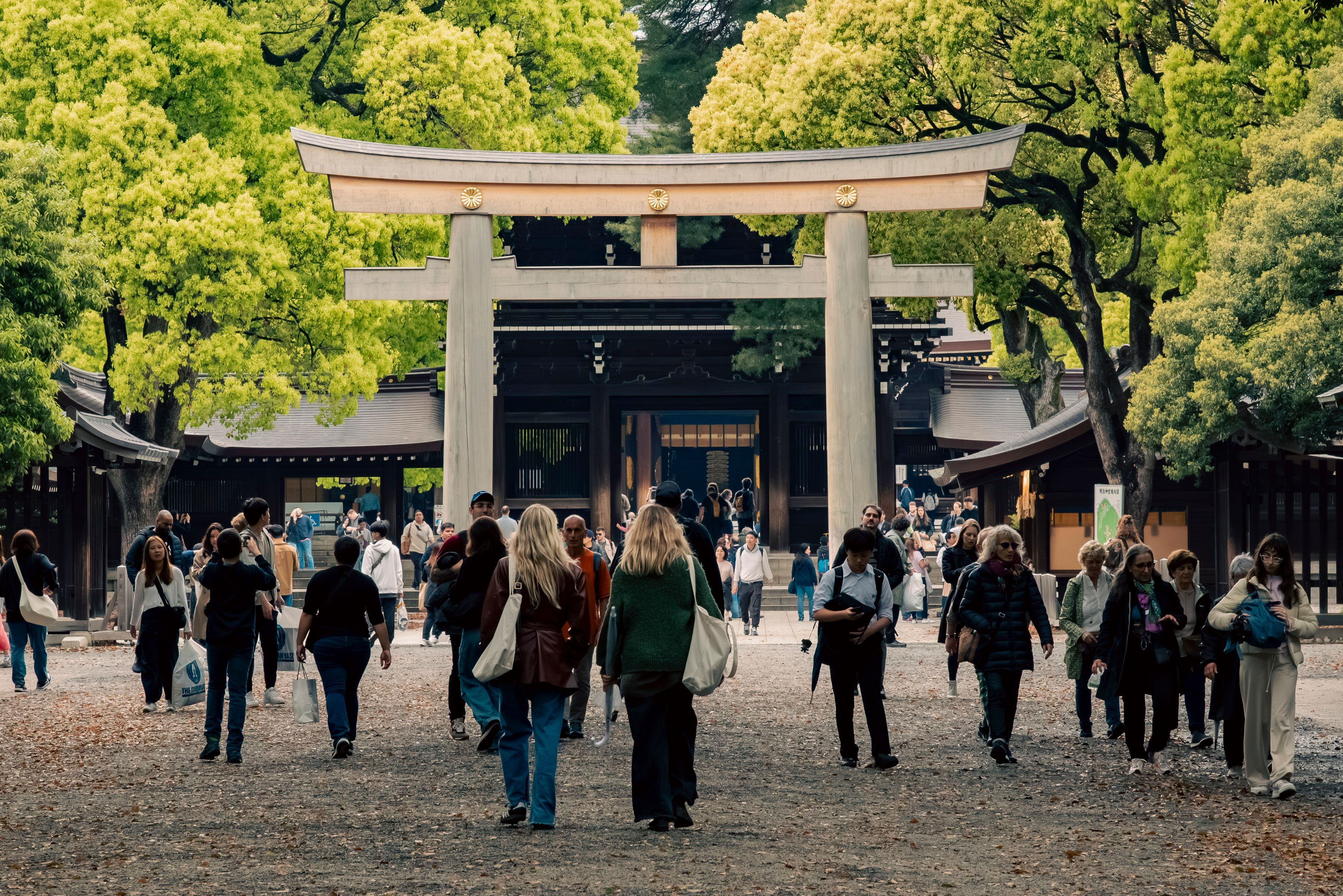
Daybreak, founded in July 2013, sells specialized freezing technology, the ARTLOCK Freezer, built to lock in a food's texture and flavor at the exact moment of peak quality, rather than degrading it the way conventional freezing does. The company's stated mission is to build a better future for everyone from producer to eater, and to take Japanese food global.
The business model is the interesting part. Daybreak doesn't just sell freezers, it runs a consulting layer on top: helping regional food producers design new frozen products, cut food loss, and restructure operations around a shrinking labor pool. That has translated into a string of tie-ins with regional banks across Japan—including Miyazaki Taiyo, Minato, Hokuriku, and Joyo—to support local food industries. In 2023, the company closed a combined ¥2 billion in equity and bank financing in its Series B round, led by Mobile Internet Capital with participation from Panasonic's Kurashi Visionary Fund and SMBC Venture Capital.
In 2024, Daybreak exhibited with Toyama Prefecture at SusHi Tech Tokyo's Global Startup Program and won the "SusHi Tech Award" in the Fantastic Startup category, then served 3,000 pieces of frozen sushi at the 2024 Japanese Food Expo in New York and Los Angeles.
Sushi, however locally reinterpreted, is now one of the few Japanese foods you can find a version of in almost any country in the world, and in most of those markets it sits at roughly double the price of an average local meal, sometimes more. That premium reflects a structural constraint "fresh" sushi has always had: it requires proximity to the sea, a short supply chain, and a trained chef. Freezing technology works against exactly that constraint. If quality can travel further without degrading, a city far from any coastline could plausibly serve sushi shaped by a well-known Tokyo sushi master, frozen at the moment it was made, at close to the texture it had when it left his hands. That outcome hasn't fully arrived yet… but it's the direction this technology is built to go.
How Xperisus translates experience into a price
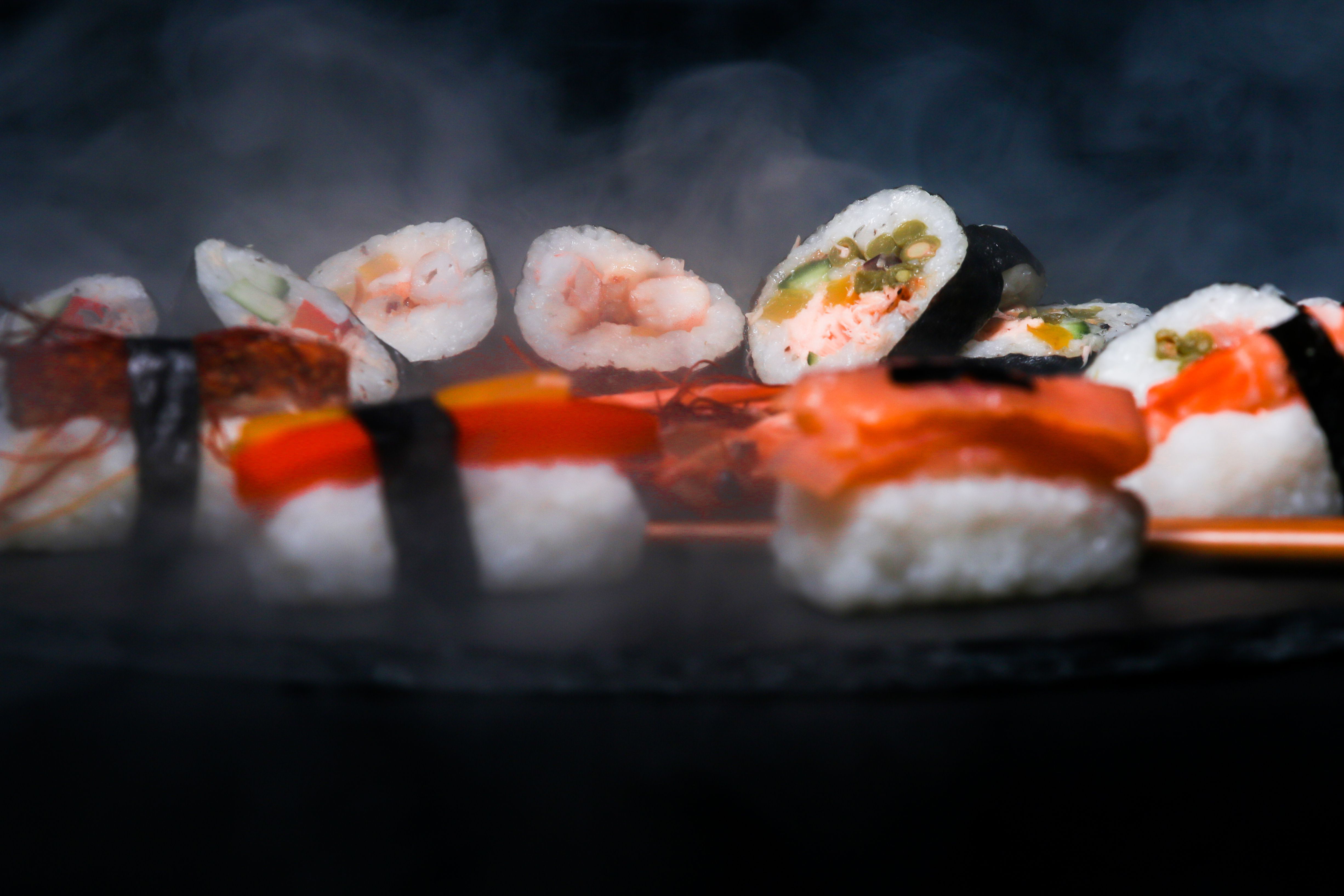
Xperisus, founded in 2017 in Shibuya, runs an invitation-only platform pairing wealthy travelers with ultra-high-end Japanese experiences; private access to World Heritage sites, traditional performing arts, and top restaurants. Built in partnership with government bodies and local municipalities, its stated mission is to create five-star experiences that last a lifetime, with a vision of building fans of Japan around the world through premium travel and experiences.
The numbers explain why investors are interested: average tour prices for its overseas wealthy clientele run roughly ¥3–10 million, with some customers spending in the tens of millions of yen, and the company now works with around 8,000 overseas luxury travel agencies and concierge firms.
What makes this business interesting is that the weak yen is actually working in two directions at once. It's the obvious tailwind behind the "Japan is cheap" mass-tourism boom, but it's also quietly lowering the barrier for wealthy customers on the other end: for someone earning in dollars or euros, a ¥3–10 million experience costs meaningfully less in real terms than it did a few years ago. In other words, the weak yen is boosting both volume-driven cheap tourism and high-spend luxury demand at the same time. The currency gap wasn't the demand, however: it was the absence of companies willing to design experiences, set prices, and build distribution around that high-spend segment. Xperisus's 2020 tie-in with Condé Nast Japan, built around what the two companies marketed as the "ultimate two-person trip,” was an early move into that space. More recently, in October 2025, Xperisus signed a capital and business alliance with JR Kyushu as part of a ¥560 million funding round that also included Daiwa House Ventures, bringing its cumulative Series A funding to ¥1.24 billion.
How Clear redefined sake via pricing
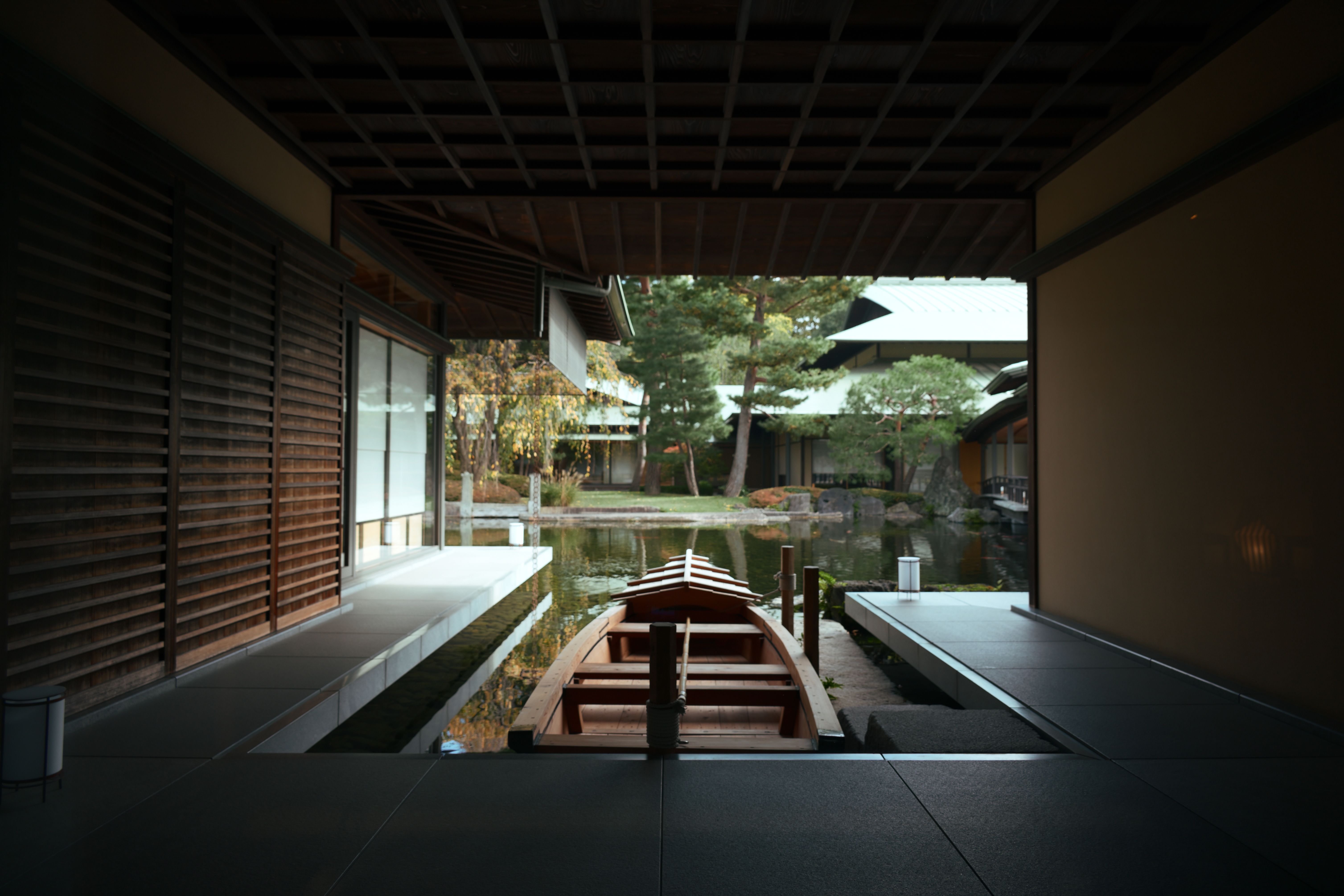
Clear, also founded in 2013, runs SAKE HUNDRED, a luxury sake brand. Its flagship bottle, Hyakko, launched in 2018 at ¥16,800 and has been repriced upward twice since—to ¥27,500 in 2020 and ¥38,500 in 2022—against an industry average of roughly ¥3,000 for a standard 1.8-liter bottle. That's not a rounding error on price. The brand's most expensive bottle, Genkai, now sells for ¥266,200, positioning sake next to champagne or single malt whiskey than the bottle at the corner liquor store.
The ripple effect on the wider industry is the real signal: since Hyakko launched, the number of new sake products released above ¥10,000 has grown more than eightfold, and the average price of newly released sake is up 20 percent.
Of the three companies here, Clear's approach to closing the value-price gap is the most deliberately engineered, so it's worth unpacking further.
First, sake itself was an unusually good raw material for this kind of repricing. To most consumers outside Japan, sake had spent decades as an undifferentiated commodity—"rice wine"—without the vintage-, region-, and cask-driven quality hierarchy that wine and whisky have spent centuries building into consumer expectations. The absence of that story looks like a weakness, but for a first mover it was actually an opening: an entire category that hadn't been priced correctly meant whoever claimed the premium tier first could set the reference price for everyone else. It's a similar move to what Japanese whisky did roughly a decade earlier, when labels like Yamazaki and Hibiki started winning international awards and rewrote what people assumed Japanese whisky was worth. Clear appears to be running the same playbook on sake, ten to fifteen years later.
Second, the choice to bring on the former president of Hermès Japan as an outside director in 2021 matters more than it might look. Translating value into an accurate price isn't primarily a function of how good the product tastes—it depends on packaging, engineered scarcity, storytelling, controlling who gets to buy it and where, and the discipline never to discount. That skill set barely exists inside traditional brewing and sales operations. Importing it from the luxury industry is arguably the real mechanism that turned "a product with unrecognized value" into "a product priced at what it's actually worth."
Third, the sequencing is smart. Clear didn't launch a luxury sake brand cold—it first built and ran SAKETIMES, Japan's largest sake-focused media outlet, drawing roughly 550,000 monthly readers as of 2021, spending years establishing itself as the category's authority before layering a premium brand on top. Earning trust as the industry's storyteller before selling the expensive product is a far more credible sequence than leading with price, and a member base that had already grown past 50,000 registered users by that point gave the premium pricing something to stand on.
There's a real risk sitting underneath all of this, too. Unlike champagne, sake has no legally protected appellation system to back scarcity claims; the brand discipline of tight supply and no discounting has to be maintained entirely by choice. Export is also still early: overseas sales remain under 10 percent of Clear's total revenue today, with a stated target of reaching 30 percent by fiscal year 2030—a deliberate, multi-year shift rather than a sudden pivot. The company raised ¥1.295 billion led by JAFCO in 2021, and a further round led by HIRAC FUND in March 2025 brought cumulative funding to ¥2.44 billion. Even so, the fact that Clear moved the entire category's new-release price ceiling, not just its own price point, shows it genuinely closed a value-price gap across the whole market, not just for one product.