
Newsletter Signup
Join Our Community!
Stay updated with the latest news, exclusive insights, and more.
Stay updated with the latest news, exclusive insights, and more.
To see how we may use your information, take a look at our privacy policy.

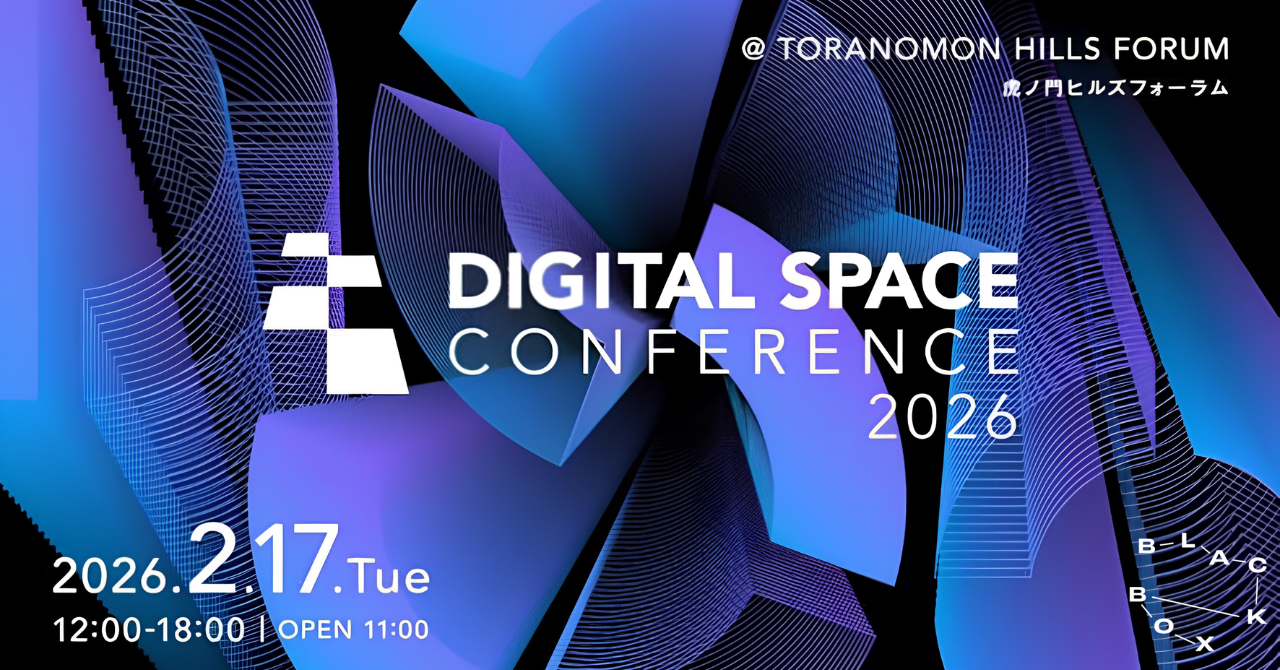
In a global tech landscape defined by speed, disruption, and bold narratives, Digital Space Conference 2026 felt noticeably different.
Held in February 2026 at Toranomon Hills Forum in Tokyo, the conference introduced the idea of the “Digital Space Economy.” But instead of presenting an exaggerated vision of the future, the discussions remained grounded, focusing on what is already happening and how far technologies have advanced in real-world systems.
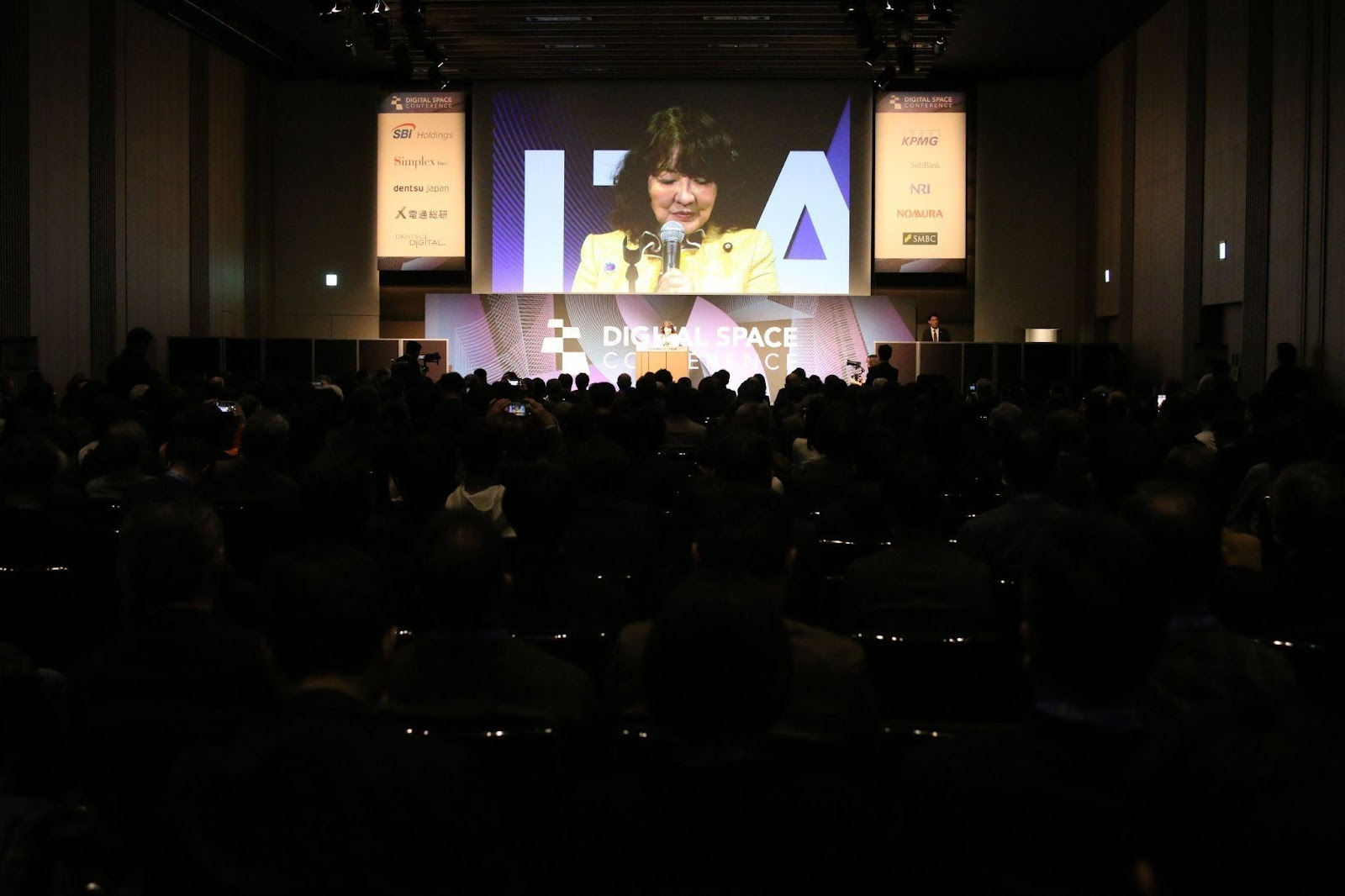
You could see this in the audience. Most participants were Japanese corporations and policymakers, with international attendees accounting for roughly 10%. While some sessions were conducted in English, the overall focus remained clearly on the Japanese market.
Exhibitions and workshops let attendees engage directly with real implementations rather than abstract concepts. This was not a space for speculative futures. It was a space for verifying reality.

One of the most telling discussions came from the digital finance panels.
Topics like tokenization, operational efficiency, and long-term financial infrastructure came up, but something was missing. Terms like “disruption” and “replacement”, so common in global fintech conversations, barely appeared.
Instead, the discussions followed a shared premise. Existing financial systems will remain. Banks are not disappearing. Cashless payments will expand, but cash itself will not vanish. Innovation here isn’t about replacing the old. It’s about improving what already exists and making sure it continues to work while you do.
For international startups, this changes how you need to think about entering Japan. Regulatory changes tend to be gradual and predictable. Institutional structures evolve incrementally. Long-term direction is often aligned across stakeholders. Japan doesn’t move through rapid transformation. It prioritizes consistency, alignment, and long-term stability.
It may feel conservative at first. But it creates something rare: predictability. You’re not guessing what happens next. You’re building within a system designed to continue.
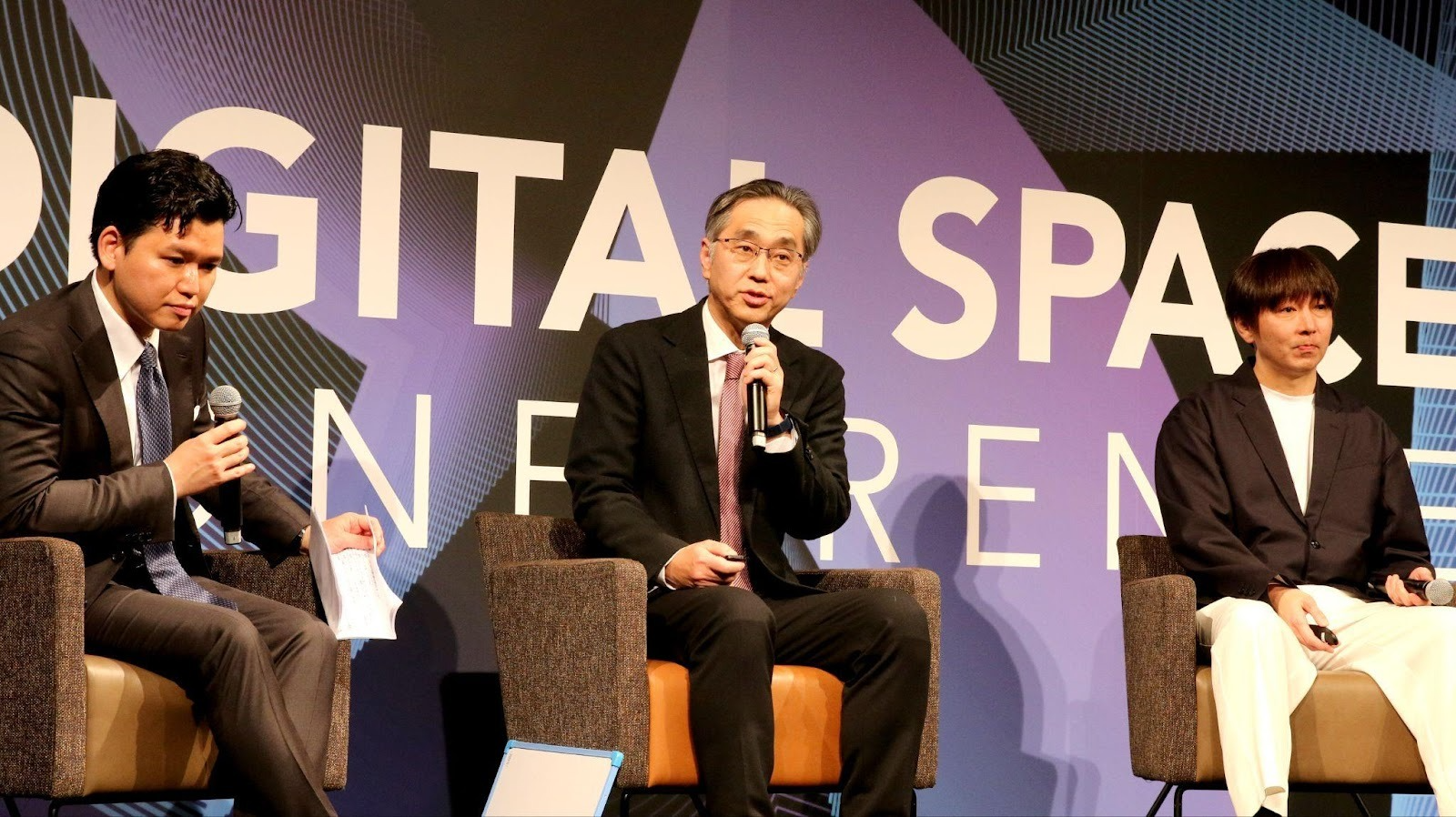
The discussions on digital twin technology reinforced this perspective. Instead of showcasing futuristic possibilities, the discussions stayed grounded in immediate, real-world constraints, especially those facing Japan’s industrial sector.
In Hitachi’s presentation, the focus wasn’t on futuristic ideas. It was on something more immediate. Technologies such as AI, robotics, and the metaverse were introduced, but the real driver was clear: labor shortages, the retirement of experienced workers, and the need to maintain uninterrupted operations. Technology here has a job. To support people, maintain systems, and keep operations running.
Companies integrate AI with robotics to support on-site workers, while digital environments help train and assist operations. These are not experiments. They respond directly to structural challenges.
A particularly compelling case came from Cosmo Energy Holdings. The company is developing a digital twin of its Yokkaichi refinery, integrating hundreds of thousands of data points into one system. This enables remote inspection, predictive maintenance, and operational optimization. But the significance of this initiative isn’t just the technology. It’s the context.
The refinery is not new. It’s a long-operating industrial system with legacy equipment, systems not designed for data integration, and decades of accumulated operational complexity. This is not a greenfield environment. It is a living infrastructure. The challenge isn’t building something new from scratch. It’s layering new technology onto an existing system without disrupting it.
This is how digital transformation actually happens in Japan. Opportunities don’t exist in isolation. They exist inside systems that are already running.
Beyond the panel sessions, the exhibition area showed how technology is evaluated in Japan. Companies demonstrated their solutions, but what mattered was what came after. The questions were practical and direct.
On the exhibition floor, the questions were simple. Where has this been implemented? How many organizations are using it? Who approved its adoption?
In this environment, real-world validation carries more weight than conceptual innovation. A compelling demo is not enough. Proof of deployment is what matters. For international startups, this creates both opportunity and friction.
Japan is a place where technology can be proven, but not freely. Entry requires integration with existing systems, alignment with institutional frameworks, and the establishment of relationships with local stakeholders. Without these, even strong solutions struggle to move beyond early discussions.
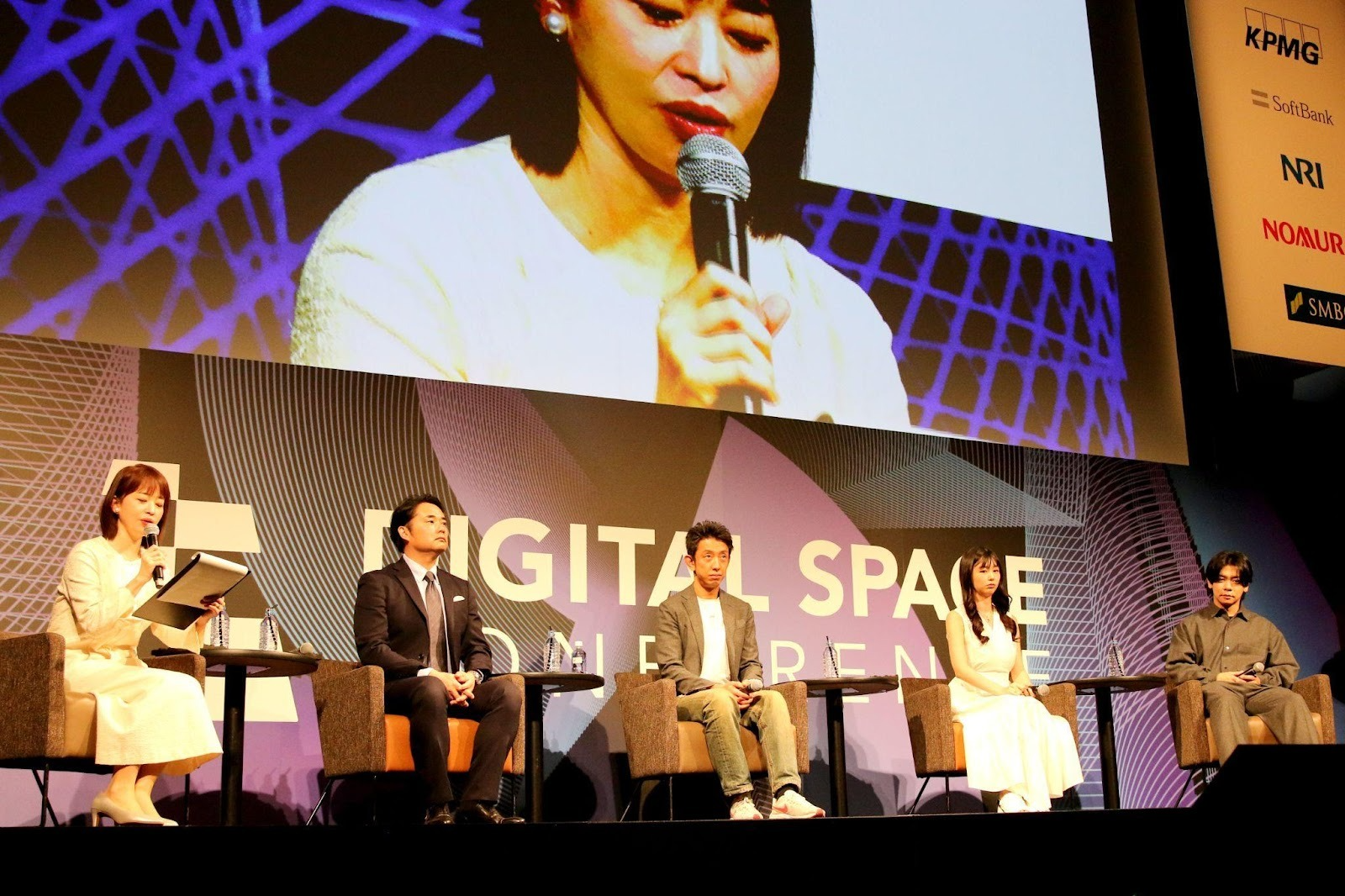
The final panel captured the broader philosophy behind everything discussed. One line stood out: “Even as cashless payments expand, cash will not disappear.” This reflects how change works in Japan.
Technological advancement is not about replacement. It’s about coexistence. New systems are introduced. Existing systems remain. Both evolve together. This approach may seem cautious compared to markets that move faster. But in sectors like finance and infrastructure, it works.
Digital Space Conference 2026 didn’t just show the state of technology. It showed how people evaluate it.
Japan doesn’t optimize solely for speed. It prioritizes regulatory alignment, integration with existing industries, and long-term sustainability. Innovation isn’t rejected. But it passes through these filters.
So the real question becomes:
Can your technology integrate with legacy infrastructure?
Can it operate within regulatory constraints?
Can it sustain long-term deployment in real environments?
Digital Space Conference 2026 did not present a future driven by disruption. It showed a future shaped by continuity.
Technology does not replace infrastructure; it evolves alongside it. Innovation does not erase the past; it builds on top of it. And progress is measured not only by how fast systems change, but by how well they adapt to what already exists.
If you want to operate in Japan, you don’t start from zero. You build within systems that are already running, and learn how to make your technology work without breaking them.


%20(1).png)

.png)


.png)