
IVS2026 event report: Japan is Back

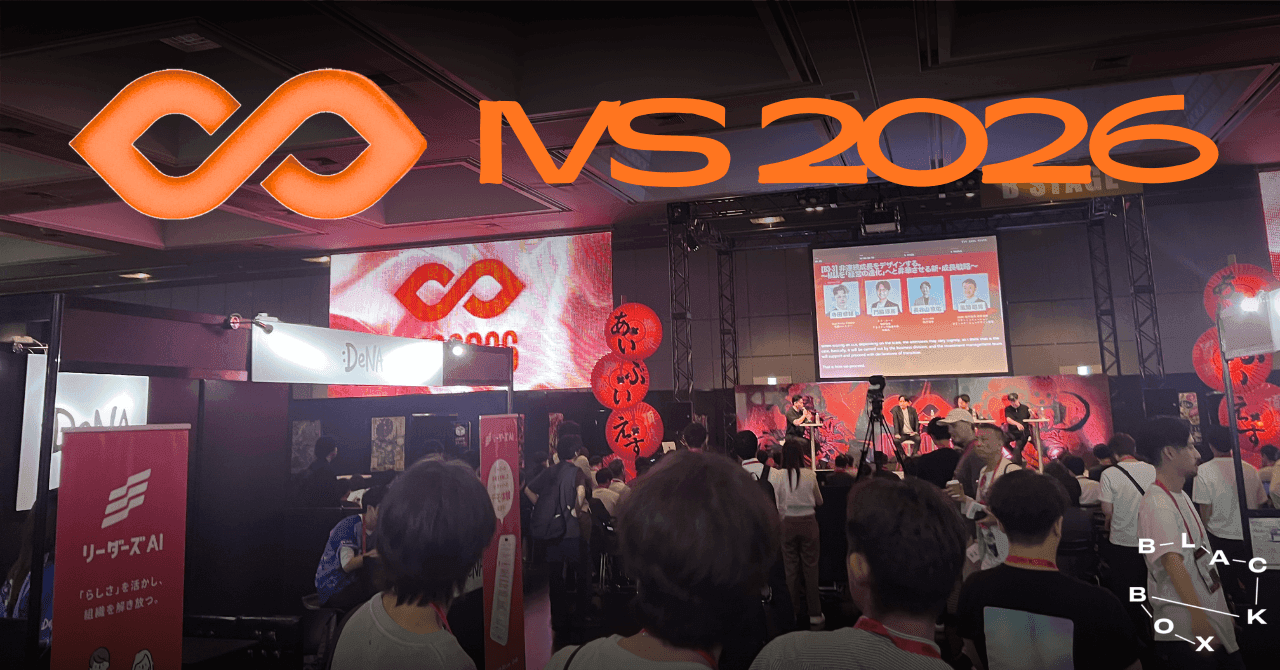
This year's IVS took place from July 1st to July 3rd in Kyoto—the fourth consecutive year Japan's largest startup conference has called the ancient capital home. The main venues were Kyoto Miyakomesse and ROHM Theatre Kyoto, with the newly introduced, fully invitation-only IVS CORE held at Hotel Okura Kyoto on the first two days. Under the theme "Japan is Back," the conference drew over 13,000 registered attendees, with organizers targeting participants from more than 70 countries and regions and an international attendee ratio of around 25%.
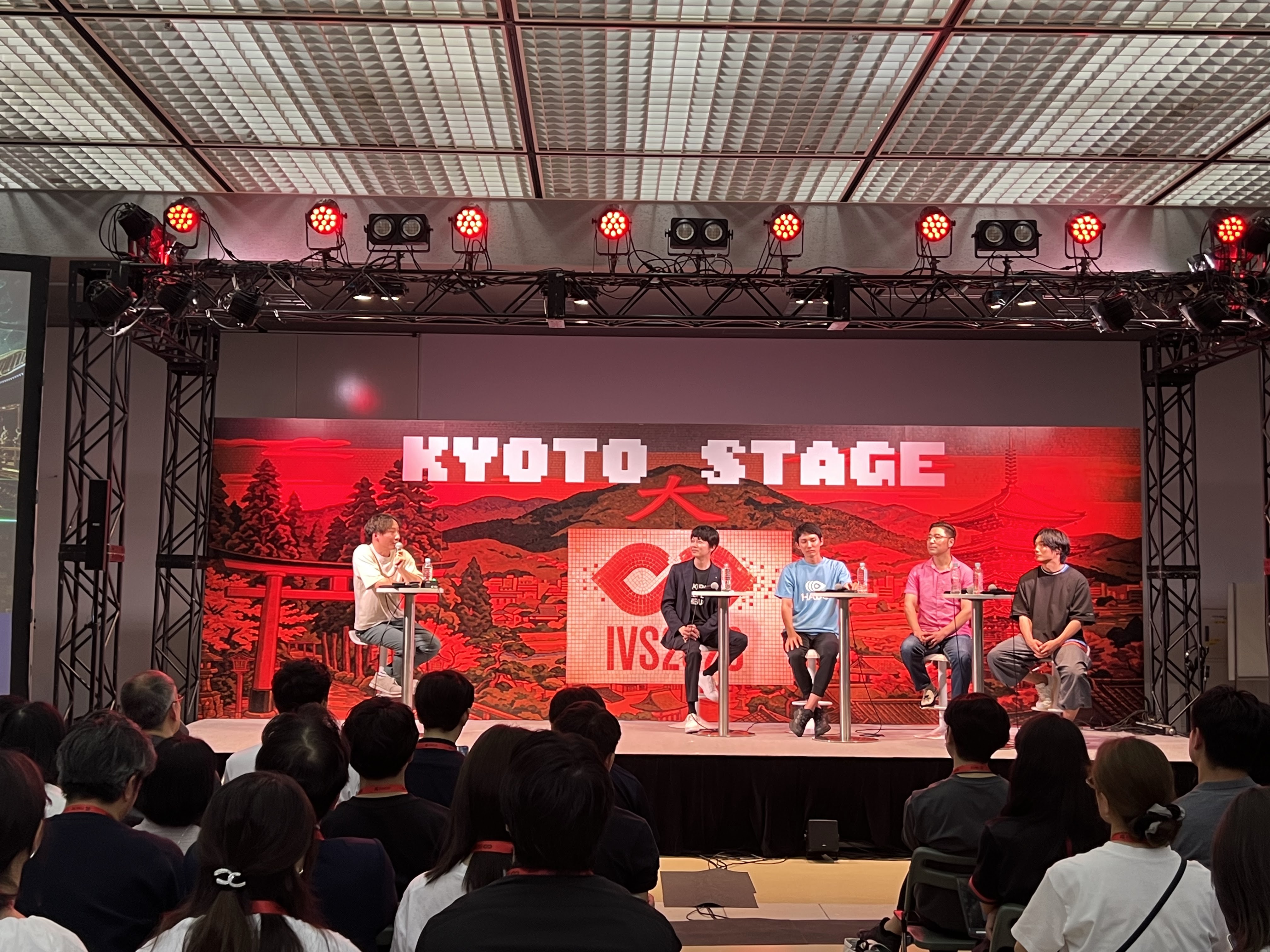
If Content Tokyo shows how Japan's creative industries are opening up to the world, IVS shows the same thing happening to its startup ecosystem. Founders, investors, students, and policymakers filled Miyakomesse's halls for three days of booths, talks, and the kind of serendipitous hallway conversations that make (or break) a conference. And this being IVS, the event spilled well beyond the venue walls: side events across the city covered everything from AI and deeptech to women founders and Taiwan–Japan collaboration.
A conference in layers
What set the 2026 edition apart was its layered structure:
Down in B1 at Miyakomesse were specialised rooms dedicated to Crypto and the student-only innovation area, Spikes.
.jpg)
Going up, the open IVS area on floors 1 and 2 provided scale and energy as the main areas of the event. Level 1 hosted smaller stages and was anchored by the Startup Market, where 300 selected Japanese and overseas startups presented to investors, potential partners, and customers. The sector spread included the usual (for recent years) focus on AI, but startups in fields such as construction, medtech, water access, and many kinds of deeptech were also present. Unusually, there seemed to be a large number of foodtech booths this year. Coupled with the winner of Takeoff Tokyo’s pitch contest this year, is this the sign of a new wave of innovation?
One floor up was the big-boy booths for major players like Google and AWS. It also contained the larger stages, hosting discussion panels that were frequently standing-room-only.
Finally, IVS CORE gathered 1,000 senior executives, investors, financial institutions, and policymakers to an invite-only setting at Hotel Okura. This event was designed for the substantive conversations—capital, partnerships, policy—that big open conferences rarely accommodate.
IVS LAUNCHPAD
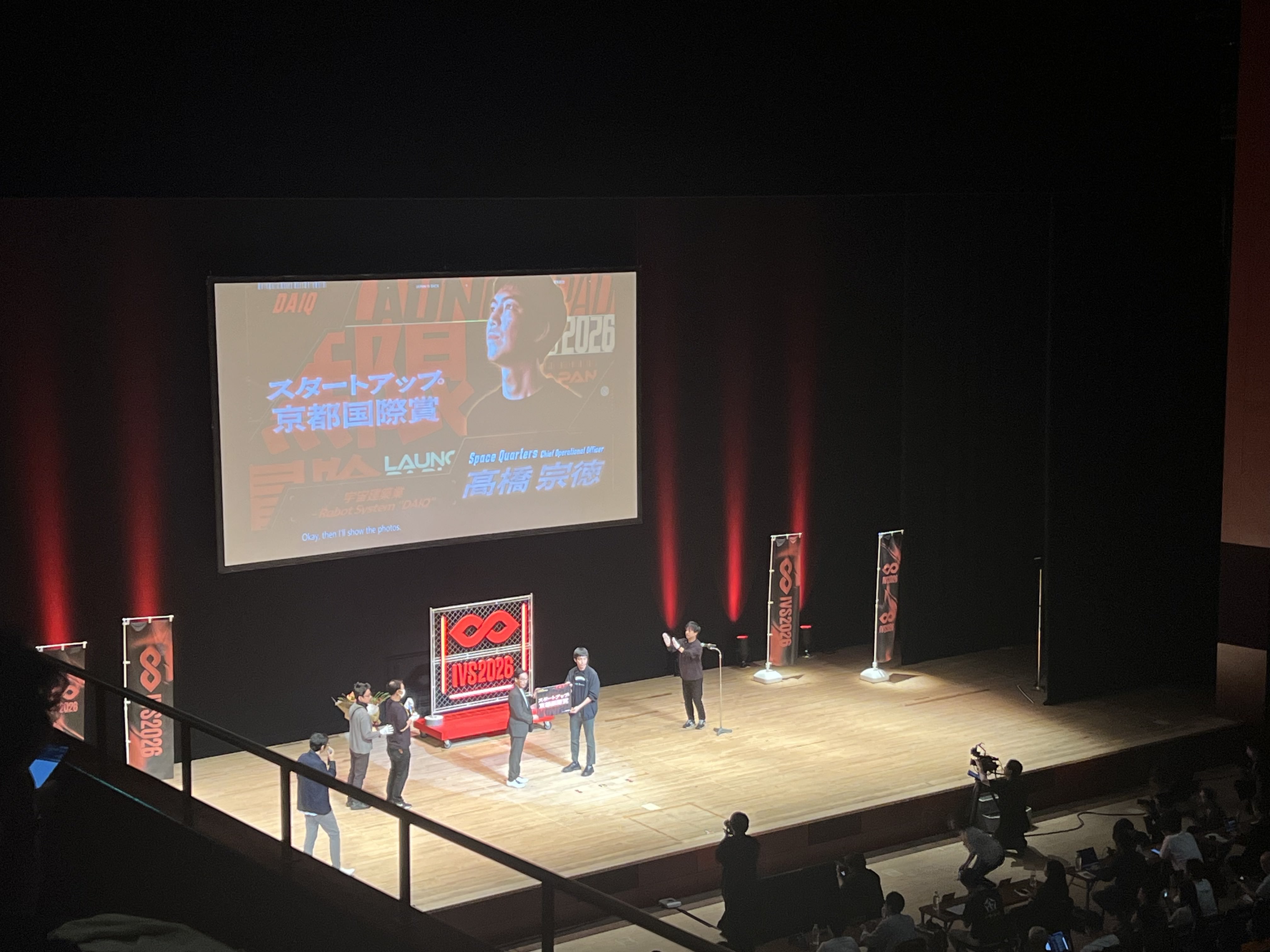
As always, the emotional climax came on the final day with LAUNCHPAD, IVS’ pitch contest. Held at ROHM Theatre Kyoto's Main Hall and now in its 20th year, LAUNCHPAD has earned its reputation as the gateway for Japan's next generation of entrepreneurs: over 5,000 companies have entered over the years, with alumni counting 60+ exits and 100+ raises of over ¥1 billion.
This year, 15 finalists were selected from more than 500 applications, with each getting six minutes on stage. The lineup ranged from a toilet-cleaning robot (inprog's "CleanK") to emotion-recognition infrastructure for AI (HiStranger) to produce-preserving stickers (Ryp Labs' StixFresh).
First place (and with it the Startup Kyoto International Award and its ¥10 million prize, a joint initiative between IVS and Kyoto Prefecture) went to Space Quarters, a space construction startup developing the robotic welding system DAIQ for building structures in orbit.
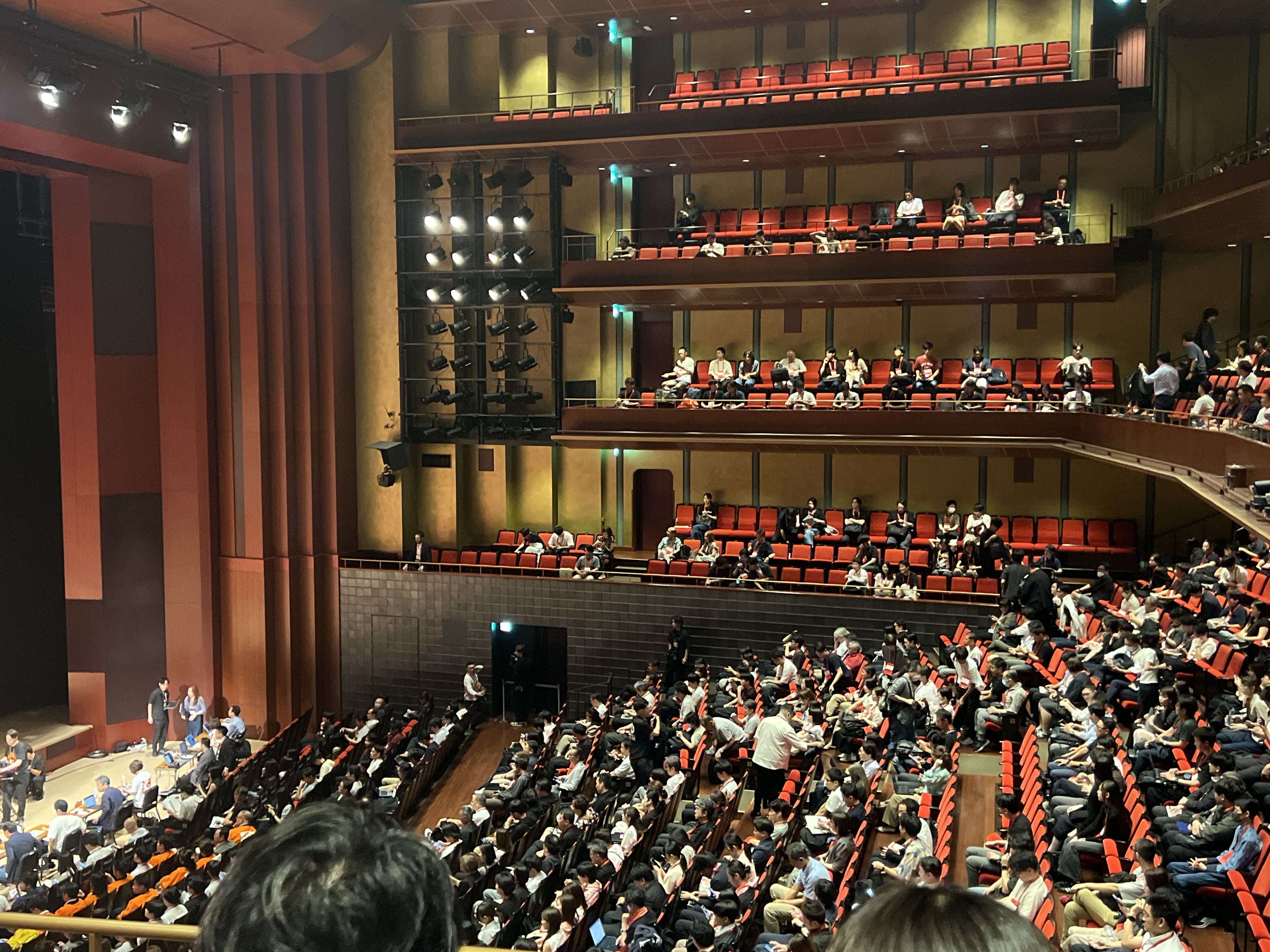
The rest of the top five underlined the breadth of Japan's current startup wave: Akari Hosho (2nd place), a lawyer-operated identity guarantee service supporting people living alone; MUSE (3rd), with its multi-use retail robotics platform "Armo"; inprog (4th) and its aforementioned CleanK; and ZetaX (5th), bringing edge AI to manufacturing. The Audience Award went to TAIAN, which is taking on the global "celebration" market of weddings and beyond, which it sizes at a striking ¥460 trillion.
Why Kyoto works
There's something fitting about Japan's startup comeback being staged in Kyoto rather than Tokyo. The city that produced Nintendo, Kyocera, Omron, and Nidec has always built companies patiently and globally, and its universities give the region genuine deeptech credibility. Watching AI startups pitch in a city of thousand-year-old temples, it's hard not to feel that old cyberpunk thrill of Japan’s past as a mysterious technological powerhouse rooted in tradition. In Kyoto, IVS has found its natural home; not trying to recreate Silicon Valley, but presenting a distinctly Japanese model of ecosystem-building: trust-driven, technically deep, and increasingly open to the world.

Networking messages on the IVS 'Black Market' board
If you missed out on IVS this year, keep an eye on the official site for next year's edition — and if you're a founder eyeing the Japanese market, LAUNCHPAD applications typically open in spring.