
Newsletter Signup
Join Our Community!
Stay updated with the latest news, exclusive insights, and more.
Stay updated with the latest news, exclusive insights, and more.
To see how we may use your information, take a look at our privacy policy.

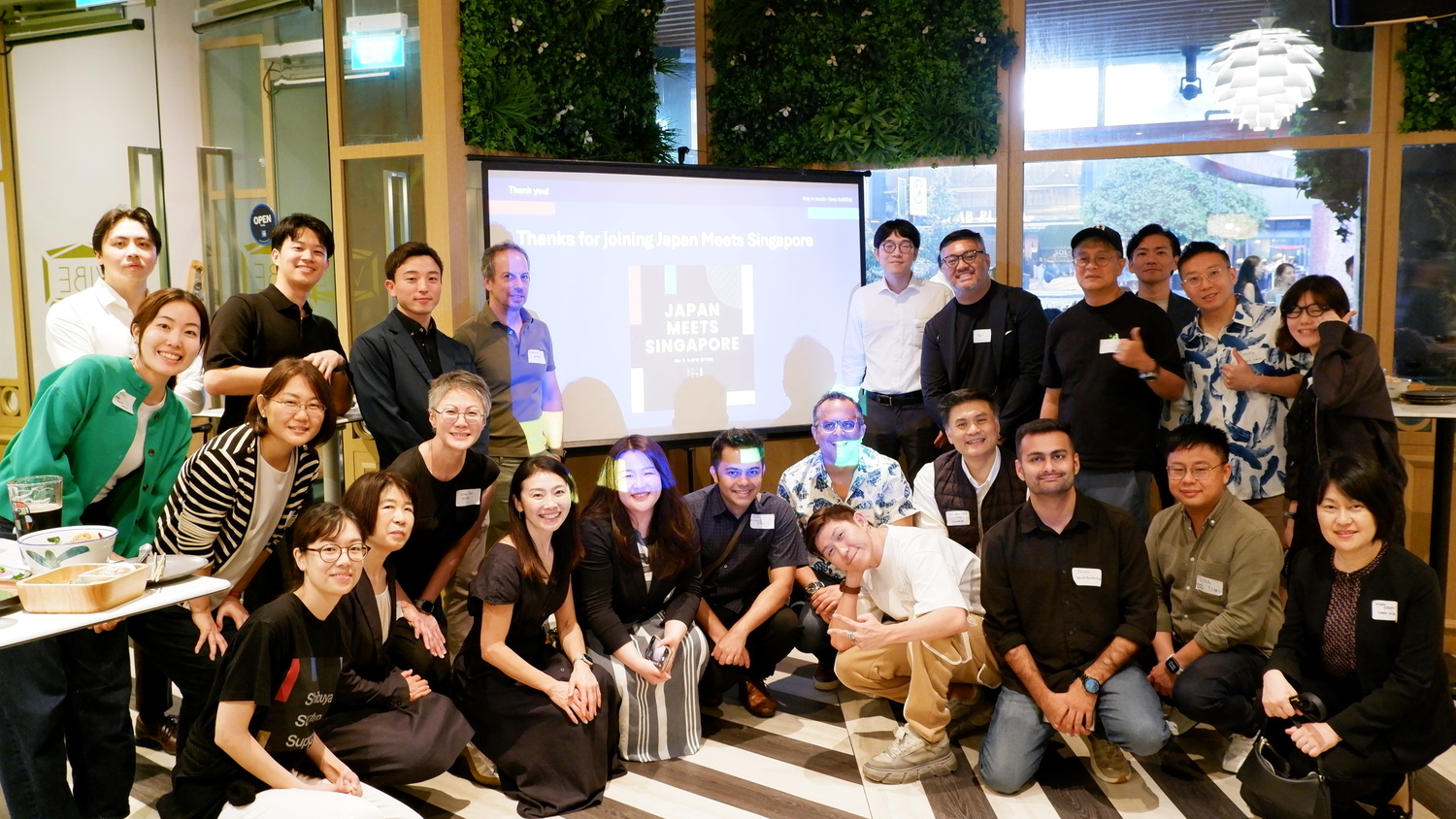
In a room filled with founders, investors, and ecosystem builders, a simple idea set the tone for the evening: meaningful connections between Japan and Singapore can unlock new opportunities for startups on both sides.
The event Japan Meets Singapore brought together members of the startup communities from both countries for a night of ecosystem insights, founder pitches, and networking. More than just a social gathering, the event highlighted the growing momentum behind cross-border collaboration between two of Asia’s most strategically positioned innovation hubs.
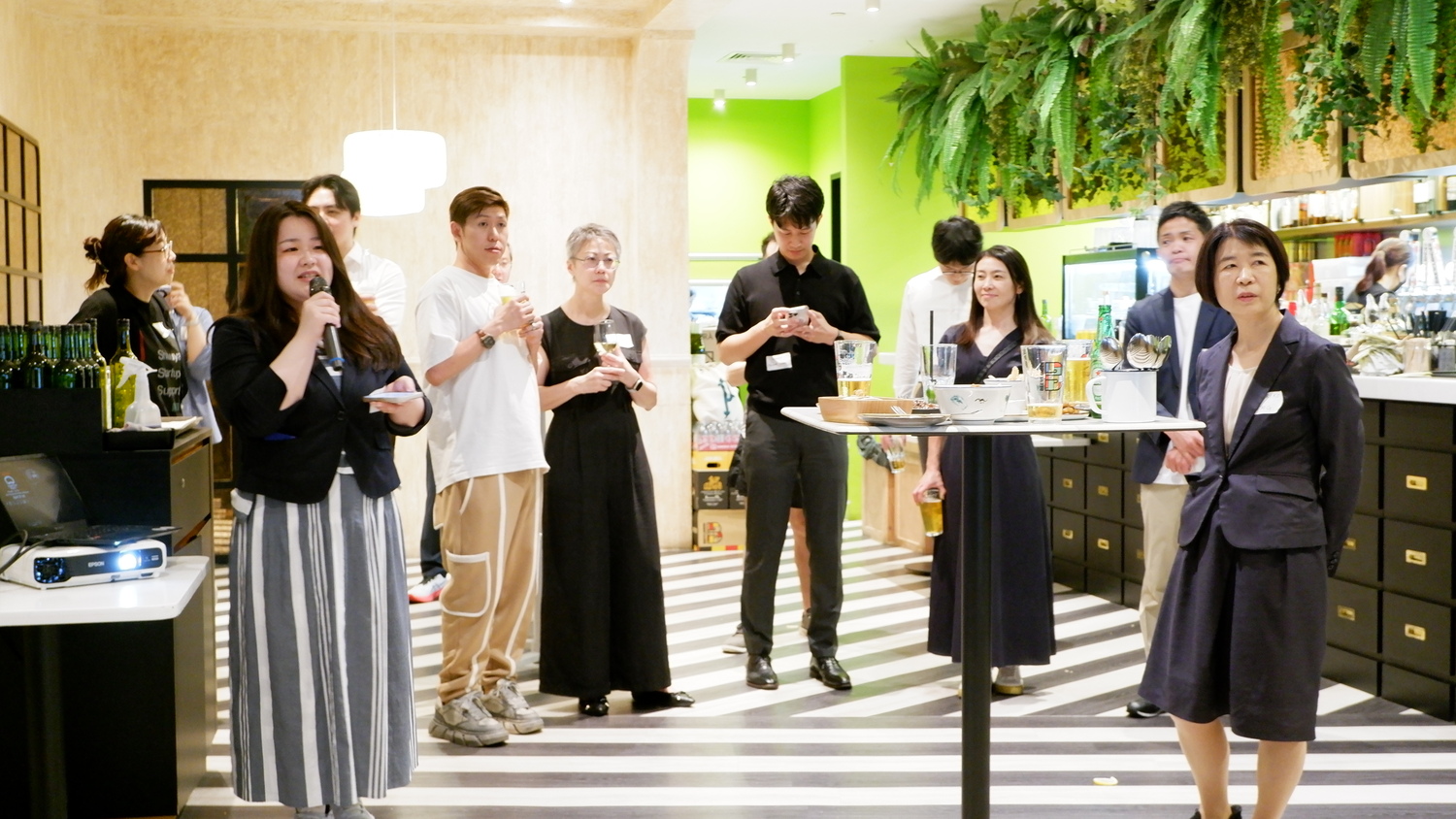
The program featured introductions to Japan’s startup ecosystem, elevator pitches from founders, and discussion on how startups can expand between Japan and Southeast Asia.
A key highlight of the evening was an overview of Shibuya’s startup ecosystem, presented by representatives from Shibuya City Government.
Shibuya is widely known globally for its culture and the iconic Shibuya crossing. But beyond tourism and youth culture, it has quietly become one of Japan’s most concentrated startup hubs.
Today the district hosts:
This density has turned Shibuya into a focal point for startup activity in Japan.
To further strengthen its position, Shibuya launched its startup support program roughly five years ago with the goal of becoming a diverse, inclusive, and globally connected startup city.
The initiative provides three major types of support:
International entrepreneurs can obtain startup visas and receive assistance not only with business development but also with daily life in Japan.
Foreign startups can test their technologies and services in Tokyo even before establishing a local entity.
The city regularly organizes events that connect startups with investors, corporates, and ecosystem partners both in Japan and abroad.
The message was clear: Shibuya aims to be an entry point for international founders looking to explore the Japanese market.
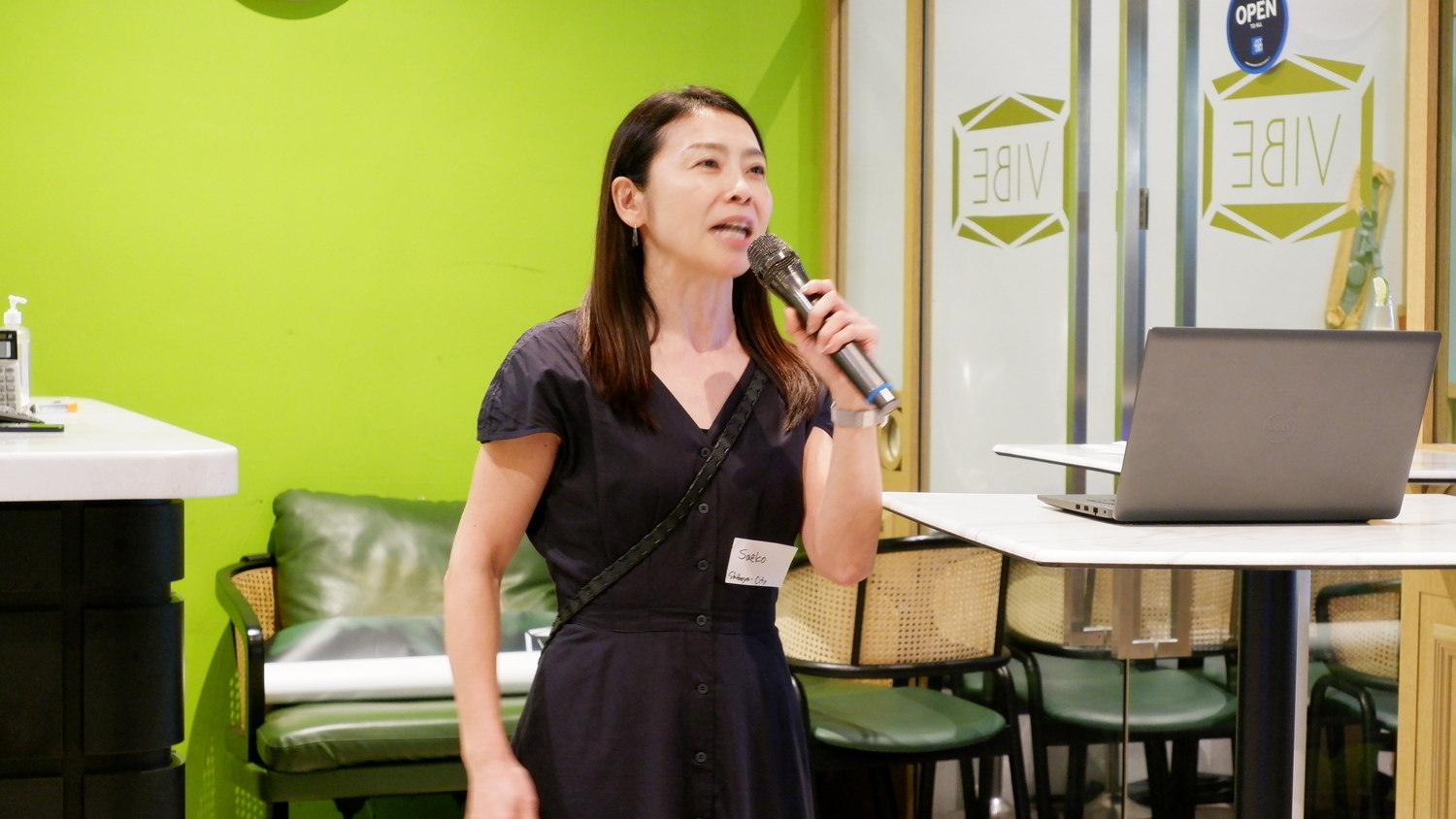
Another perspective on Japan’s innovation landscape came from Japan External Trade Organization (JETRO), which has been playing an increasingly important role in connecting Japan to global startup ecosystems.
Representatives highlighted that the relationship between Japan and Singapore is particularly strong. In fact, 2026 marks the 60th anniversary of diplomatic relations between the two countries, underscoring decades of economic and technological collaboration.
JETRO’s mission today goes far beyond trade promotion. The organization now acts as a global startup bridge, helping international startups enter Japan while also supporting Japanese startups expanding abroad.
In recent years:
The broader message is that Japan’s startup ecosystem is growing rapidly but still holds untapped potential.
While venture investment in Japan has increased four to five times since 2014, it still represents only a small fraction of the scale seen in markets like the United States. This creates significant opportunities for international founders and investors willing to engage with Japan’s ecosystem.
Japan is particularly strong in deep tech, thanks to its world-class research institutions and engineering talent. However, startups often face challenges in areas such as:
Organizations like JETRO are working to close these gaps by connecting Japanese startups with global accelerators, investors, and partners.
One of the most active initiatives supporting international collaboration is JETRO’s J-Bridge program, which facilitates partnerships between Japanese corporations and overseas startups.
The platform currently includes:
The focus areas include:
Interest from Southeast Asia has been particularly strong, with around 40% of collaboration interest coming from the region.
For startups looking to enter Japan, JETRO also provides Invest Japan services, which act as a one-stop support platform covering:
Many of these services are offered free of charge, lowering the barrier for international startups exploring the Japanese market.
Following the ecosystem presentations, the event shifted into a fast-paced elevator pitch session, where 5 founders introduced themselves in one-minute pitches.
The session included startups from both Japan and Singapore working across diverse sectors.
Among them was a startup developing robotic cleaning technology for high-rise buildings, targeting applications in industries such as solar panel maintenance and industrial cleaning.
Another startup shared a deeply personal story behind its product: a laser-based fall detection system designed for hospitals and elder care facilities. The technology detects human posture without using cameras, allowing for privacy-friendly monitoring for healthcare environments.
There were also companies working in legal AI, offering tools to streamline legal operations such as contract review, document drafting, and compliance processes.
The rapid-fire pitches served a practical purpose: making it easier for attendees to identify potential collaborators during the networking session that followed.

The evening also introduced attendees to several major initiatives led by the Tokyo Metropolitan Government to position Tokyo as a global innovation hub.
One of them is Tokyo Innovation Base, a large-scale startup hub that opened in 2023.
Since its launch, the space has already seen remarkable activity:
Tokyo is also preparing for the next edition of SusHi Tech Tokyo, a global innovation conference focused on technologies that address urban challenges.
The event brings together startups, corporations, investors, and governments from around the world, with themes including:
The initiative reflects Tokyo’s broader ambition to connect local innovation with global partners.

At its core, Japan Meets Singapore was designed to do something simple but essential for any startup ecosystem: bring people together.
Founders searching for investors.
Investors exploring new markets.
Corporations looking for innovation partners.
Events like this create the informal connections that often lead to future collaborations.
As Japan continues opening its startup ecosystem and Singapore strengthens its role as Southeast Asia’s innovation gateway, the relationship between the two ecosystems is likely to deepen.
And sometimes, it all begins with a single introduction over food, drinks, and a one-minute pitch.


%20(1).png)
%20(1).png)
%20(1)%EF%BC%88%E5%A4%A7%EF%BC%89.png)


.png)