
Newsletter Signup
Join Our Community!
Stay updated with the latest news, exclusive insights, and more.
Stay updated with the latest news, exclusive insights, and more.
To see how we may use your information, take a look at our privacy policy.

In recent years, Tokyo has been making a concerted push to position itself as a global hub for innovation—and SusHi Tech Tokyo has emerged as one of its most ambitious flagship events. Blending startup culture, advanced technology, and urban policy, the event is designed not just as a conference, but as a platform for rethinking how cities function in the 21st century.
“SusHi Tech” stands for Sustainable High City Tech. The idea is simple but expansive: cities face increasingly complex challenges—from climate change and aging populations to infrastructure strain and economic transformation—and solving them requires the integration of cutting-edge technology with diverse human perspectives.
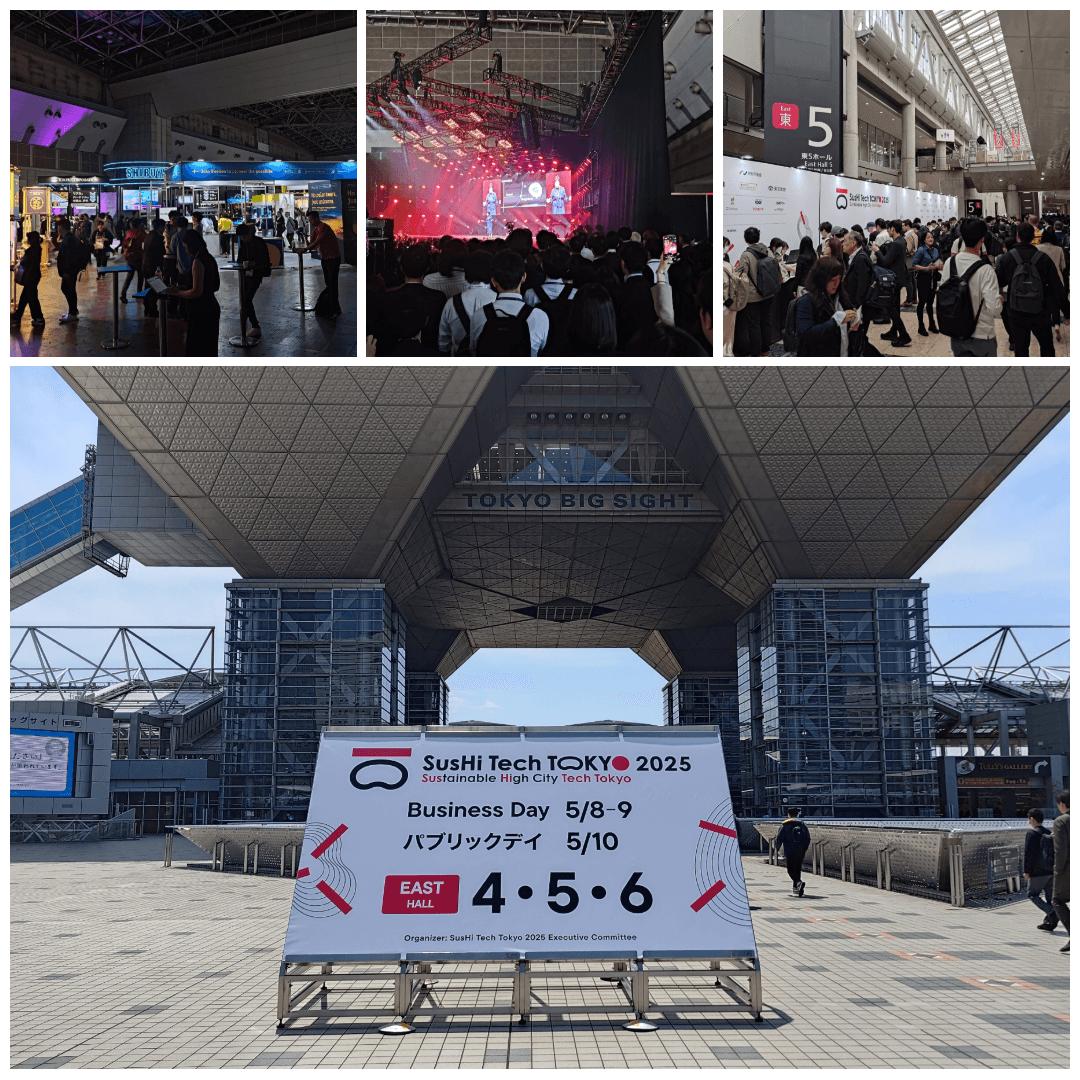
SusHi Tech has become one of the largest innovation events in the whole of Japan, so in the weeks leading up to its 2026 edition we thought it deserved a full article explaining what it’s about. Note: pictures are from previous years.
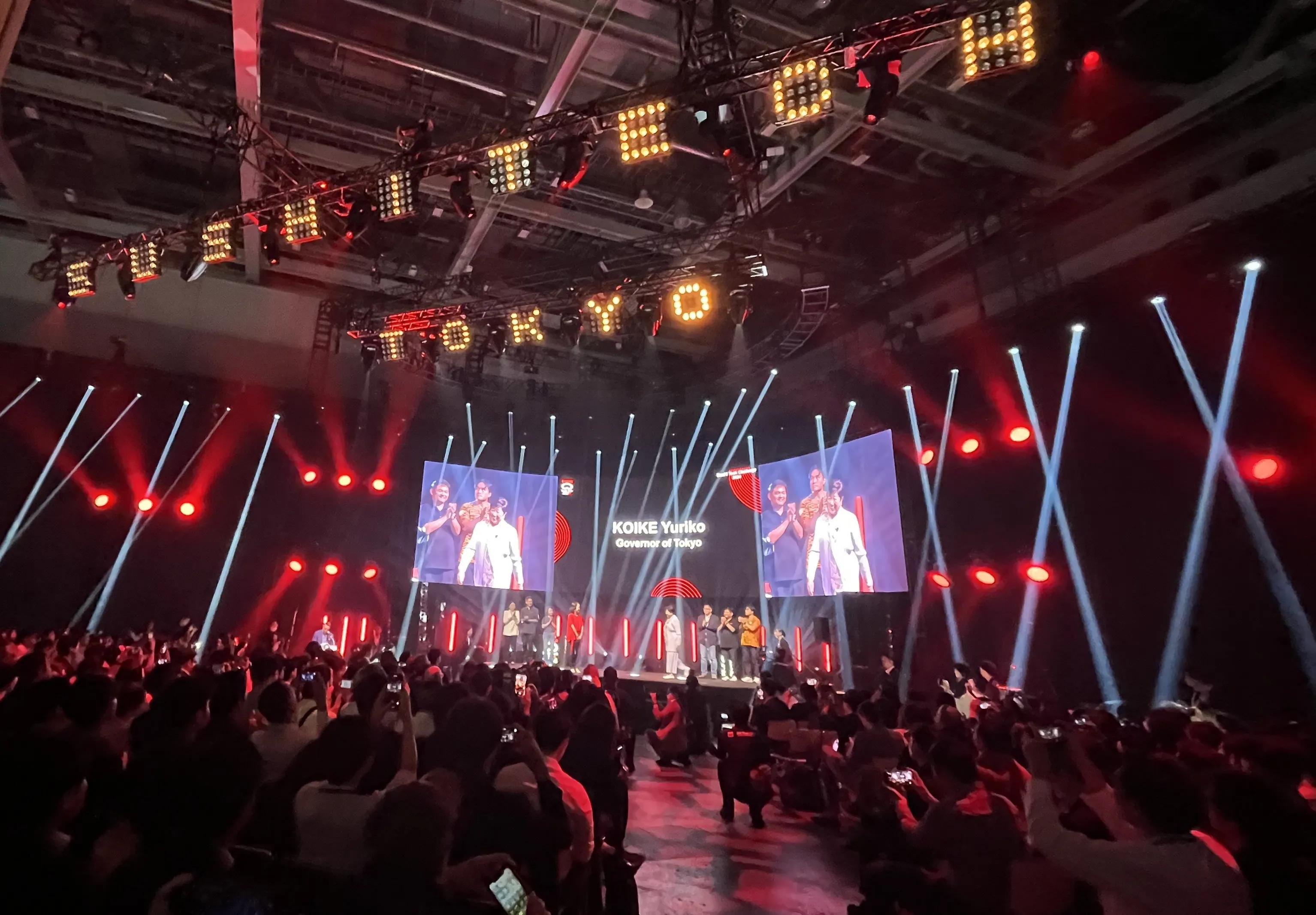
At a strategic level, SusHi Tech Tokyo is a key pillar in the Tokyo Metropolitan Government’s efforts to elevate the city’s global startup presence. Despite Japan’s economic scale and technological sophistication, its startup ecosystem has historically been seen as less internationally connected than those in Silicon Valley, London, Singapore, or the like.
SusHi Tech seeks to change that by acting as a bridge between Japan and the world, bringing together:
This convergence creates an environment where cross-border collaboration is not just encouraged, but actively engineered.
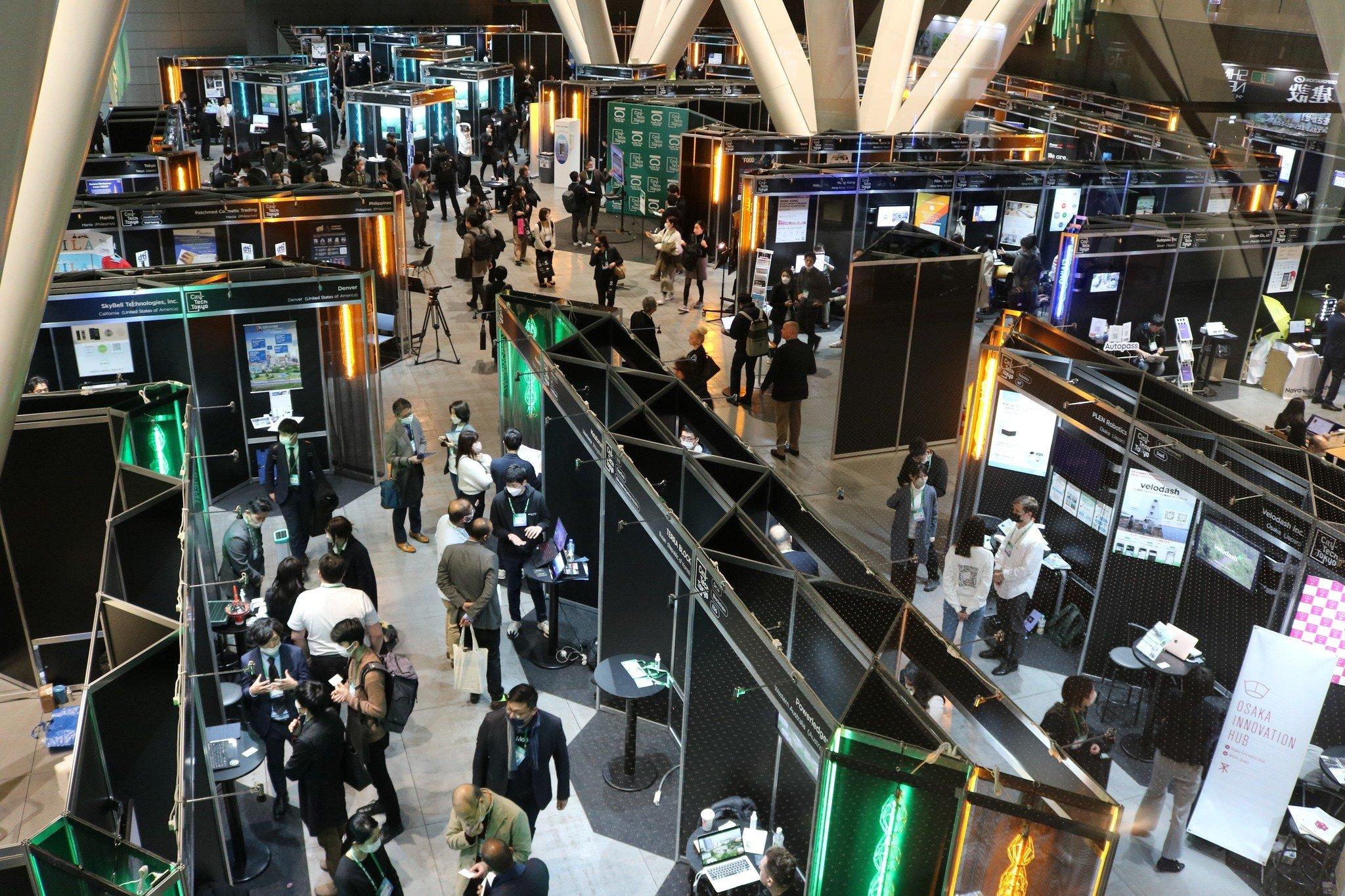
Held at Tokyo Big Sight, the event typically unfolds over three days, each with a distinct rhythm and audience.
The first two days are geared toward industry professionals. These are dense, high-energy days filled with:
What distinguishes SusHi Tech from many other startup conferences is its strong emphasis on real-world implementation. Conversations frequently move beyond theory, focusing on how technologies can be deployed within actual urban systems.
The final day shifts focus from industry insiders to the general public. This open-access format transforms the event into something closer to a technology festival, where visitors can:
This public-facing component reflects a broader philosophy: the future of cities should be shaped not only by experts, but by the people who live in them.
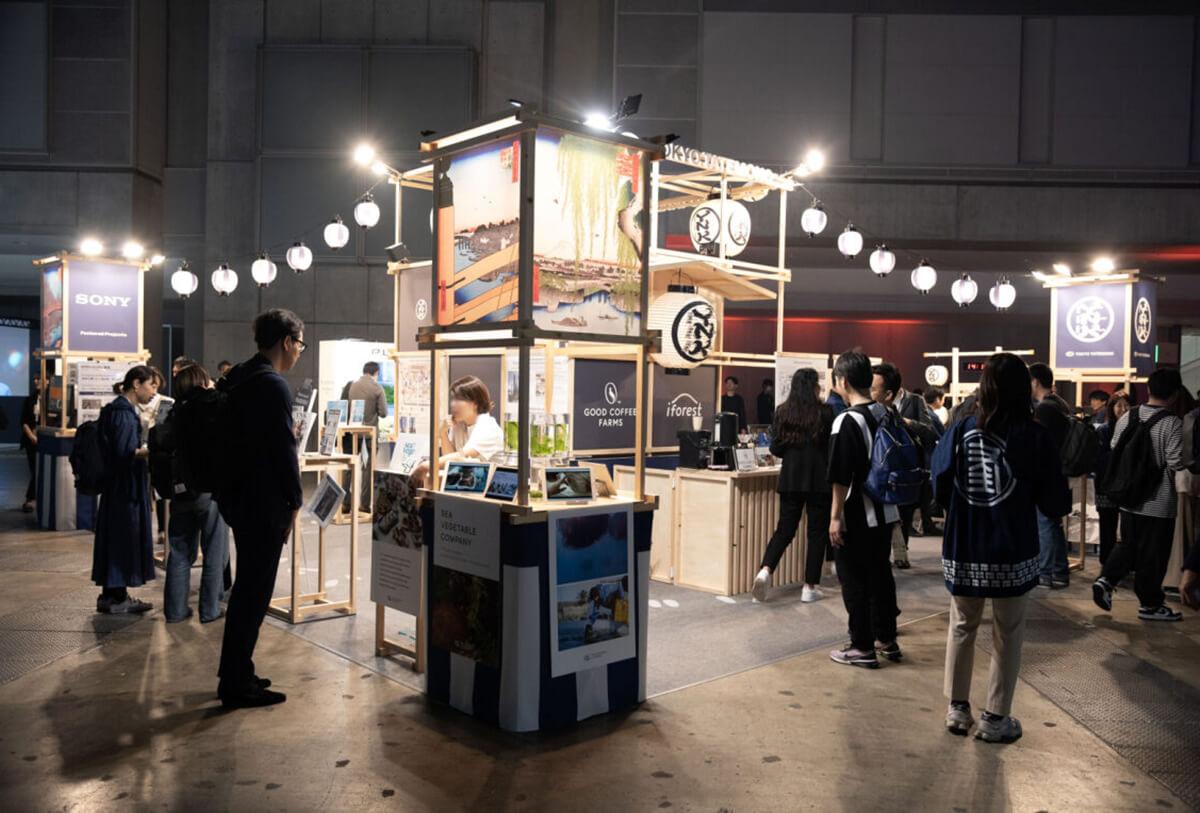
Rather than focusing narrowly on a single industry, SusHi Tech Tokyo is structured around the interconnected challenges facing modern cities. Key themes typically include:
This breadth reflects a fundamental insight: cities are complex systems, and meaningful innovation requires coordination across multiple domains.
While the main event is anchored at Tokyo Big Sight, SusHi Tech extends into the city itself through a network of side events. These include:
In this way, the event becomes less of a single venue experience and more of a city-wide innovation moment, activating Tokyo as a living laboratory.
The rapid growth of SusHi Tech Tokyo reflects a broader shift in how innovation is framed globally. The conversation is no longer just about building the next successful startup—it’s about addressing systemic challenges that affect millions of people.
By positioning cities as the focal point, SusHi Tech aligns technological advancement with public good and long-term sustainability. It also signals Japan’s intent to play a more visible and active role in the global startup ecosystem.
For international participants, the event offers a gateway into Japan’s market and networks. For domestic players, it provides exposure to global perspectives and partnerships. And for policymakers, it serves as a testing ground for ideas that could shape the future of urban governance.
Ultimately, SusHi Tech Tokyo is more than a conference. It is an evolving experiment in how innovation ecosystems can be structured to tackle real-world problems at scale.
By bringing together technology, policy, business, and the public, it asks a central question:
What would it take to build cities that are not only smarter—but more sustainable, inclusive, and resilient?
The answers are still unfolding, but SusHi Tech Tokyo is quickly becoming one of the places where they begin.


%20(1).png)
.png)


.png)