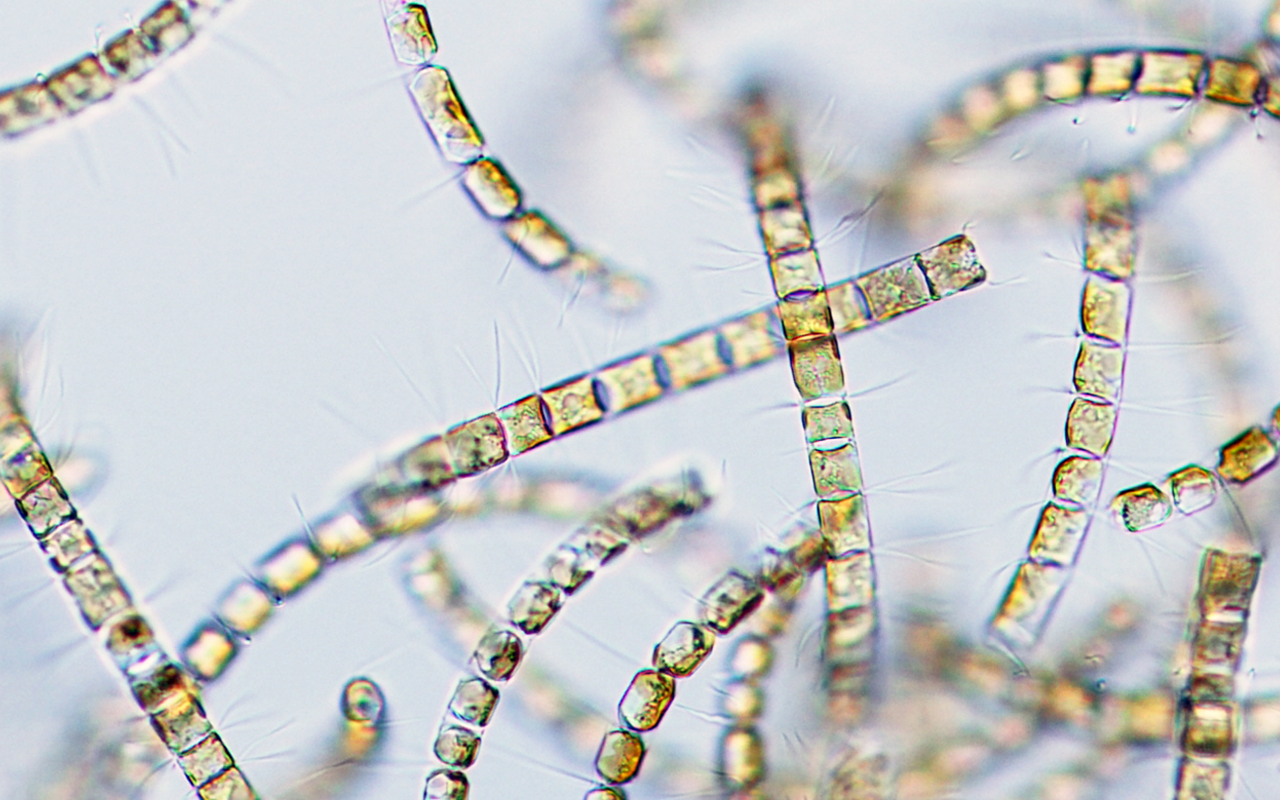
Leveraging unique technology for creating novel microalgae strains from the environment, we provide microalgae strains useful for industrial and academic applications. Additionally, we offer; 1: consultation on microalgae business plans and experimental designs, 2: guidance on microalgae cultivation techniques, and 3: evaluation of microalgae strains based on growth rate and produced substances. We collaborate with diverse companies—spanning aquaculture, food, semiconductors, chemical materials, pet supplies, and rare metal recovery—as well as universities and research institutions to create new industries that address global challenges.
A startup developing a drug discovery platform capable of simultaneously measuring intracellular signals over time using proprietary technology, addressing multi-factor and multi-target drug discovery. Accelerating efficient and comprehensive new drug development through high-dimensional data and AI analysis.

Integrated BioFoundry DBTL: BioFoundry (ultrahigh-speed microbial breeding) DBTL: Elementary technology utilization Scale-up process development In-house product development Intestinal microbiome model
A startup combining genome editing with smart land-based aquaculture to breed and produce high-value fish species using local resources. It aims to revitalize the fisheries industry and stabilize food supply, while contributing to lower environmental impact and regional revitalization.

With more than 30 years of experience in developing tactile and sensory measurement technologies, Jun Wada founded Hapquitous in 2023 upon turning 60. Guided by the mission of “bringing the potential of sensation and perception to anyone, anywhere,” Hapquitous developed Pain Compass®, a novel device based on the Thermal Grill Illusion (TGI). The system provides a three-minute assessment that objectively evaluates stress-related hypersensitivity in the brain and visualizes presenteeism—conditions that typically remain hidden in the workplace. Hapquitous offers an integrated solution that connects measurement → intervention (acupuncture, exercise, psychological support) → follow-up assessment, enabling early detection and improvement of employee well-being. Hapquitous is currently conducting collaborative research with ten institutions, including Kyoto Tachibana University, Kio University, and the University of Tokyo School of Medicine.