
Tag
#DX
19 items
 Event
EventCEATEC 2026
CEATEC is Japan’s premier gateway to the future, serving as a dynamic "co-creation" platform where innovative companies and organizations from diverse industries converge.
·tokyo Event
EventRakuten AI Optimism 2026
Rakuten AI Optimism 2026 is Rakuten Group's flagship AI conference, bringing together business leaders, entrepreneurs, researchers, and innovators to explore the future of artificial intelligence. The event features keynote sessions, panel discussions, and interactive exhibitions showcasing AI applications across industries including retail, finance, telecommunications, and marketing. Visitors can experience Rakuten's latest AI technologies while gaining insights into how one of Japan's leading technology companies is driving enterprise AI adoption. The event offers a valuable opportunity to discover emerging trends, connect with industry leaders, and better understand the evolving AI ecosystem in Japan.
·yokohama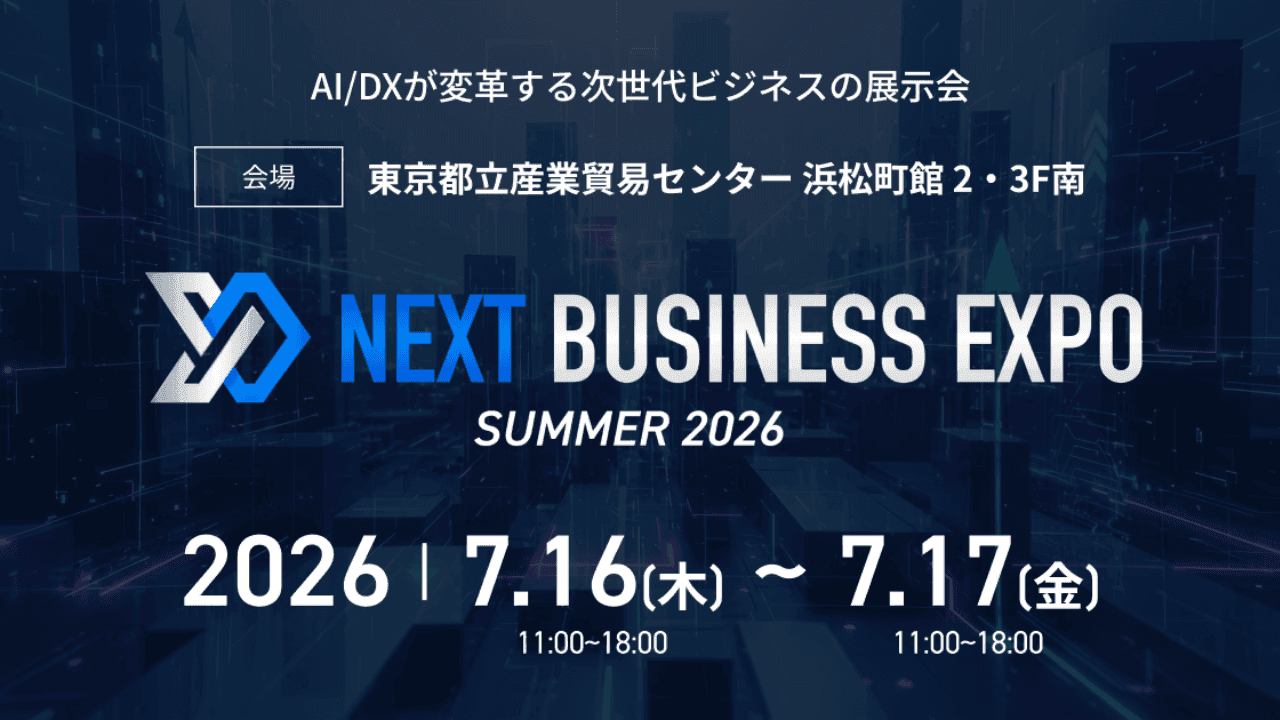 Event
EventNEXT BUSINESS EXPO SUMMER 2026
NEXT BUSINESS EXPO SUMMER 2026 is a business exhibition and conference showcasing the latest AI and digital transformation solutions for enterprises. Bringing together technology providers, startups, and business leaders, the event features exhibitions, expert-led conferences, and networking opportunities focused on generative AI, automation, data analytics, robotics, and enterprise DX. It offers a practical look at how AI is being implemented across industries to drive business innovation and operational efficiency.
·tokyo Story
StoryDigital Space Conference 2026: How Technology Operates on Infrastructure That Never Stops Moving
JETRO guest authors an event report for their visit to the Digital Space Conference 2026.
 Event
EventJID / ASCII STARTUP 2026
A major Japanese startup conference connecting innovators, media, corporates, and investors across technology and business.
·tokyo News
NewsKobe University opens bio research hub
·kobe Story
StoryJapan’s blue economy part 1: Shipbuilding
For Japan, as an island nation, maritime business constitutes an extremely vital industry. The Blue Economy series (Part 1 - Part 4) covers shipbuilding, aquaculture, wild fisheries and marine pollution, and future potential. By weaving together historical context with recent industry developments and trends, the series is structured to enable readers less familiar with this field to grasp the overall picture of Japan's maritime business.
 News
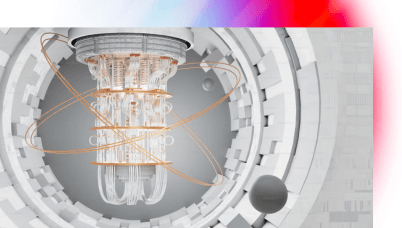
NewsFujitsu developing world's most powerful quantum computer
 Story
StoryJapan’s Stablecoin Landscape: Regulation, Innovation, and the Road Ahead (part 2/2)
This article explores the growing significance of stablecoins—cryptocurrencies pegged to fiat currencies like the U.S. dollar or Japanese yen—in both the United States and Japan. While adoption in the U.S. has surged, with new legislation like the GENIUS Act supporting the ecosystem, Japan has taken a regulatory leadership role, having first defined crypto assets in 2017. The article reviews Japan’s legal framework under the Payment Services Act (PSA) and the Financial Instruments and Exchange Act (FIEA), recent amendments, and the emergence of local stablecoin initiatives. It also highlights future prospects for stablecoin-based payments.
 Story
StoryJapan’s idols and the fan economy—history and now
Ryo Asai’s new novel *In the Mega-Church* explores Japan’s fan economy and idol culture, tracing its evolution from Johnny’s boy bands and AKB48’s participatory model to globalized, tech-driven fandoms. Today, digital platforms, audition documentaries, and virtual performances reshape how fans connect with idols. Startups are innovating in fan engagement, live interaction, and merchandise using data and blockchain, though issues like scandals and over-commercialization remain. Japan’s idol industry highlights the power of community-driven content. The article also announces a February 2026 Shibuya program for creative tech startups, featuring exhibitions, networking, and collaboration with DIG SHIBUYA.
 Story
StoryJapan’s Stablecoin Landscape: Regulation, Innovation, and the Road Ahead (part 1/2)
Japan has played a pioneering role in regulating cryptocurrencies and stablecoins. While stablecoins like USDT and USDC reach over $235 billion globally, Japan is still in early adoption stages. The country first legally defined crypto assets in 2017 under the Payment Services Act (PSA). A 2023 amendment introduced the first stablecoin regulations, marking a key milestone. Alongside, the Financial Instruments and Exchange Act (FIEA) governs security tokens and blockchain-based financial products. With cashless payments now at 42.8%, experts see stablecoins as the next step in Japan’s digital payment evolution, supported by progressive legal and technological frameworks.
 Event
EventKyoto Smart City Expo 2025
·kyoto Event
EventJ-AGRI TOKYO 2025
·tokyo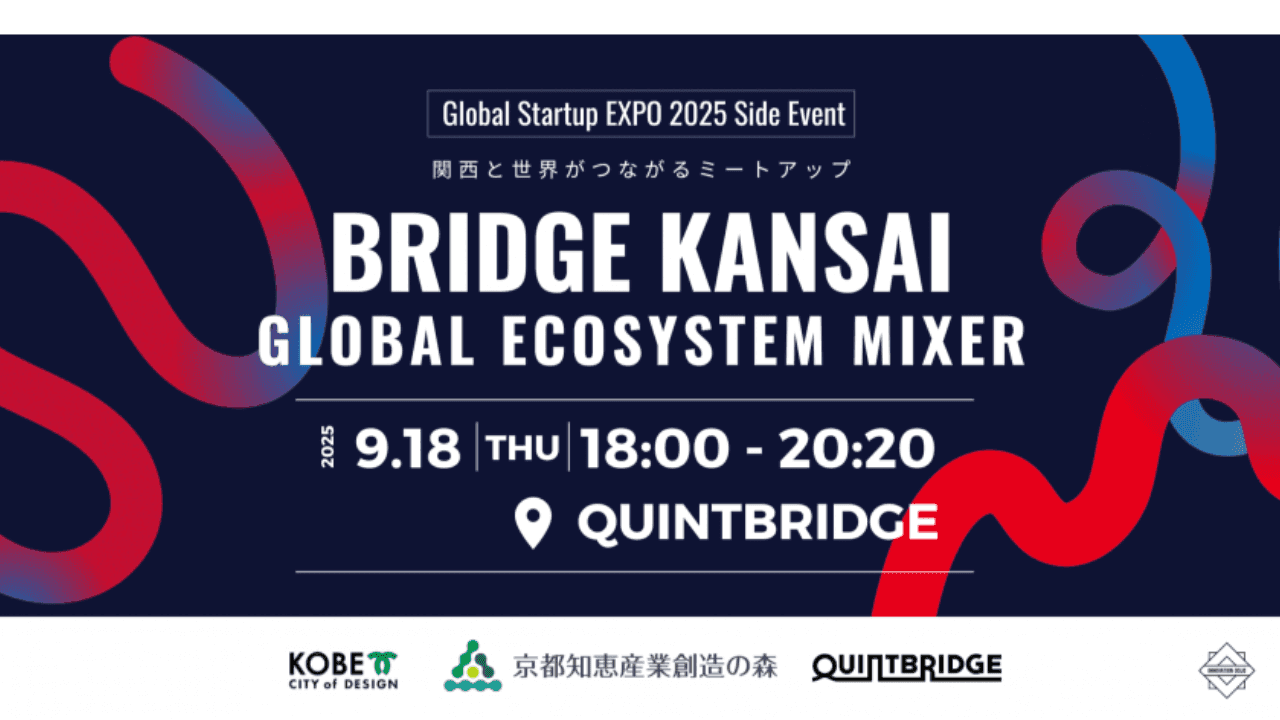 Event
EventBridge Kansai 2025 – Global Ecosystem Mixer
·osaka Story
StoryJapan’s AI Journey: Past Lessons, Future Potential
Japan’s AI journey spans decades, from early machine translation and the 1980s Fifth Generation Computer Project to today’s generative AI startups. Despite less global visibility, Japan has steadily advanced with a focus on language, logic, and practical applications. Companies like Sakana AI, Preferred Networks, ABEJA, and Jitera are leading efforts in foundation models, robotics, business solutions, and low-code platforms. Challenges include limited Japanese training data, but this also creates opportunities for specialization. Backed by partnerships with corporations, universities, and global investors, Japan’s AI ecosystem is growing and positioning itself as a unique, collaborative force in the global AI landscape.
 Event
EventBioJapan / Regenerative Medicine JAPAN / healthTECH JAPAN 2025
·yokohama Story
StoryMore Than Convenience: Japan's Food Delivery Transformation
Japan’s food delivery culture, rooted in Edo-period demae, has evolved from community-based hospitality to a highly digitalized ecosystem. The rise of platforms like Uber Eats and Demaekan, accelerated by COVID-19, transformed the market. Today, aggregators, logistics firms, and autonomous delivery technologies reshape operations, making Japan a global testbed for delivery innovation.
 Story
StoryFast Casual and SaaS: Reshaping Japan's Restaurant Service
Japan’s restaurant industry is evolving with fast casual dining and restaurant SaaS. Brands like Crisp Salad Works and UMAMI BURGER blend tech and quality meals. Startups such as Dinii, Toreta, and TableCheck offer digital tools for orders, payments, and reservations—reshaping the food service experience with efficiency and personalization.
 News
NewsKansai on track to create 2,100 startups in five years
·osaka