
News
Japan Targets ¥3 Trillion Food Tech Market by 2040 Amid Alternative Protein Boom
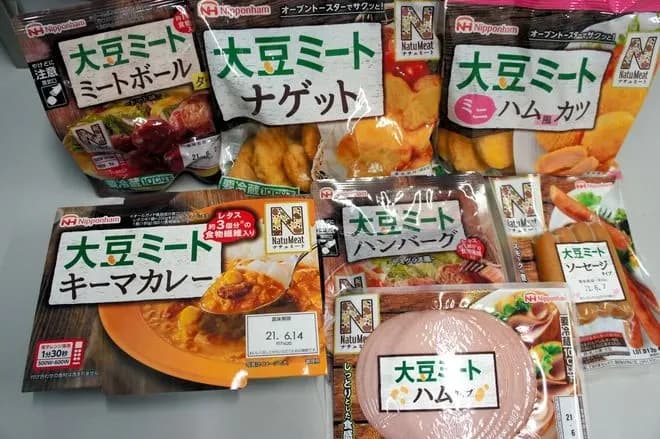
Japan’s government is setting an ambitious new target for the country’s fast-growing food tech sector, aiming to expand annual sales of alternative proteins and functional foods to ¥3 trillion by 2040. The initiative will position “new foods” — including soy-based meat alternatives, plant-derived proteins, and nutrition-focused products — as a core pillar of the administration’s strategic growth agenda, alongside plant factories and advanced food manufacturing technologies.
The Ministry of Agriculture, Forestry and Fisheries estimates Japan’s current market for non-animal proteins, led by soy meat products, at roughly ¥300 billion, while functional and nutritional foods account for around ¥15 billion. To accelerate growth, the government plans to support startup-led product development, promote partnerships between emerging ventures and major food companies, and explore the use of next-generation foods in public procurement programs. Officials also aim to push for international standards led by Japan, making it easier for domestic companies to expand overseas and navigate global food regulations.
The push comes as concerns rise over a looming global “protein crisis,” driven by surging meat demand in developing economies and growing instability in food production linked to climate change. Japan sees an opportunity to capitalize on its long history of plant-based and fermented food culture, as well as its relatively high consumption of plant-derived protein compared with Western markets. Major companies are already moving aggressively into the space: Nippon Ham has developed soy-based meat alternatives designed to replicate the texture of animal protein, while Chikaranomoto Holdings, operator of the ramen chain Ippudo, has introduced plant-based menu options as demand for sustainable and health-focused foods continues to grow.