
News
METI Supports Development of Multi-Satellite Universal Antenna to Reduce Starlink Dependence
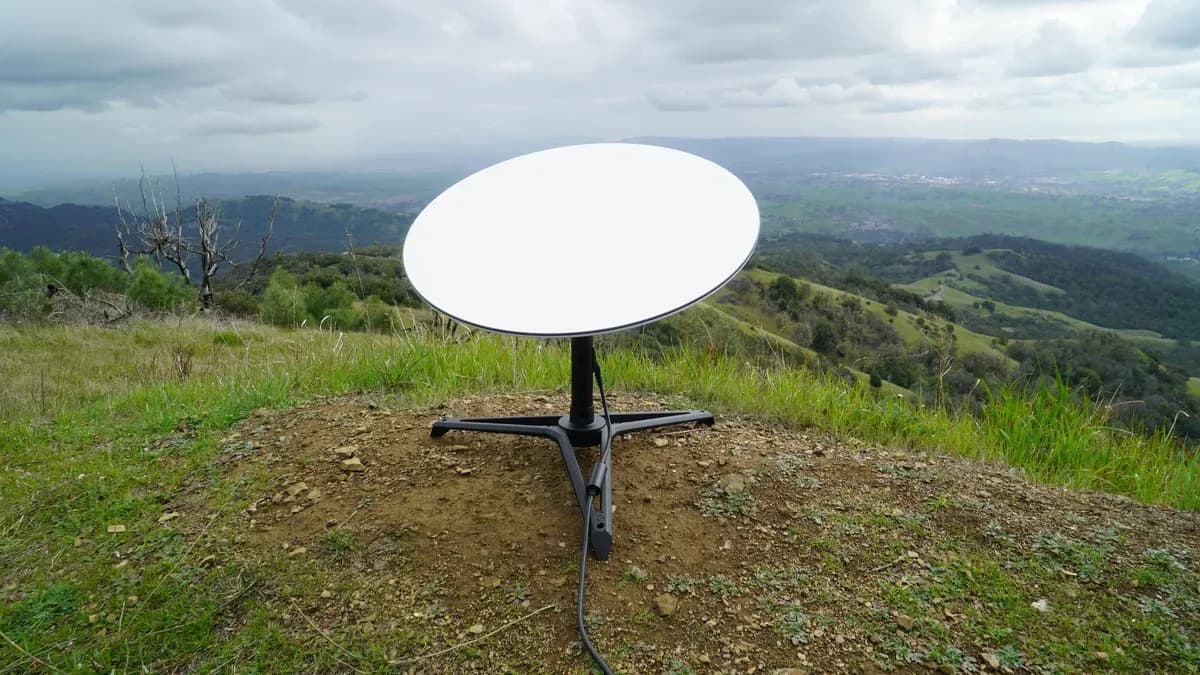
The METI announced support for developing universal antennas compatible with multiple satellite communication services. The effort aims to facilitate easy switching between services and enable applications in autonomous driving and smart agriculture, while fostering competition by reducing dependence on SpaceX's Starlink. The ministry will provide subsidies of up to 7 billion yen over a maximum of five years through the Space Strategy Fund.
This universal antenna development represents Japan's emphasis on reducing reliance on a single satellite operator and creating a competitive market environment. The focus is on small, lightweight antennas aimed for domestic and international sales by the early 2030s. By enabling compatibility with multiple satellite services, users can freely switch between providers, potentially revitalizing the market.
The initiative reflects Japan's forward-looking approach to the expanding satellite communication market, strengthening domestic technology development and industrial competitiveness. Universal antenna realization could promote satellite communication adoption across various industries, including autonomous vehicles and agricultural drones.